
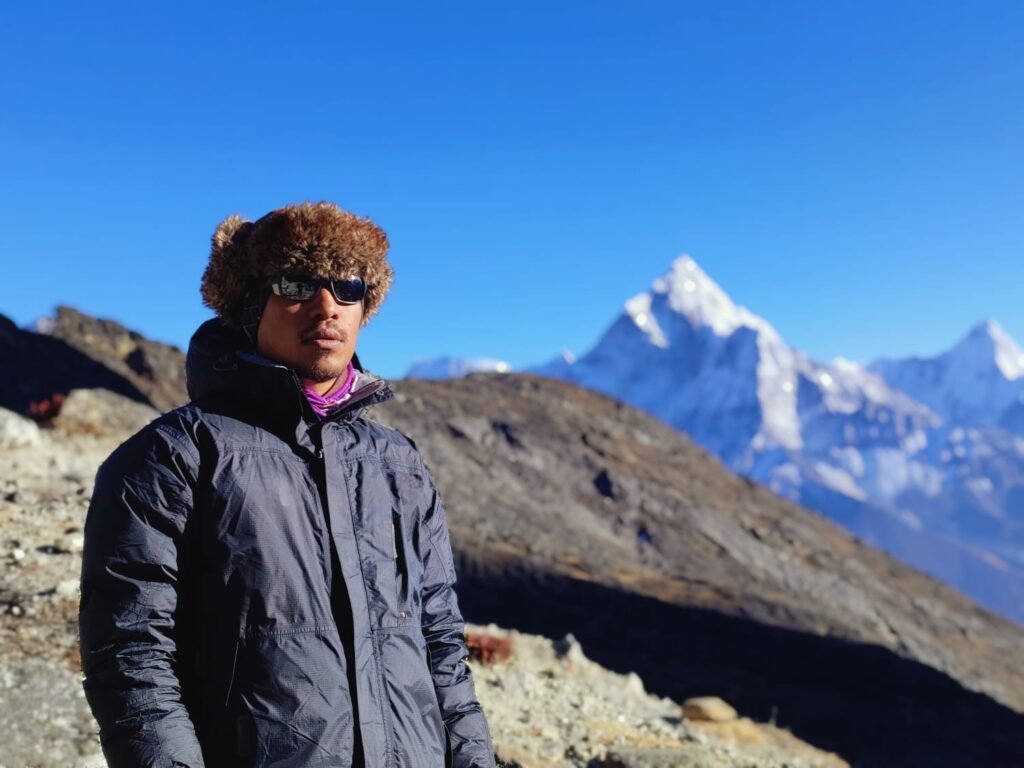


Less Crowded, More Rewarding: Alternative Trekking Routes in the Annapurna Region
Written by the guiding team at Enticing Himalayas Treks & Expedition — we have walked every trail in this guide, hired the lodges, and rescued trekkers off more than one of them. This is field knowledge, not brochure copy.
If your image of the Annapurna region is a queue of backpacks snaking toward a teahouse, you are not wrong — but you are also missing half the story. The Annapurna massif holds some of the quietest, most rewarding trekking in the Himalaya, and most of it sits a day’s walk from the busy highways yet sees a fraction of the foot traffic. This guide maps the alternative Annapurna treks that deliver big-mountain drama without the crowd tax: Khopra Ridge, Mardi Himal, Mohare Danda, Nar Phu Valley, and Tilicho Lake. In 2026, with the main Circuit busier than ever and the road network pushing deeper into the valleys, knowing which side trails still deliver true solitude is the single most valuable planning decision you will make.
Whether you are a first-time Nepal visitor or a seasoned hiker hunting quieter lines, the routes below are the ones we actually recommend when clients ask, “Where can I go that isn’t the Annapurna Circuit or ABC?” For broader context on the whole region, see our https://annapurnacircuittreks.com/annapurna-travel-guide-2026/ hub — this article focuses on the hidden trekking routes in Annapurna that most itineraries skip.
Featured Snippet answer: The best less-crowded Annapurna treks are Khopra Ridge (solitary ridge lodges, Khayer Lake), Mardi Himal (short, wild ridge to 4,500 m), Mohare Danda (community eco-trail, rhododendron forests), Nar Phu Valley (restricted, Tibetan-culture, high passes), and Tilicho Lake (highest lake on Earth at 4,919 m). All are quieter than the Annapurna Circuit or ABC and reachable in 5–15 days.
AI Overview summary: Alternative Annapurna treks — Khopra Ridge, Mardi Himal, Mohare Danda, Nar Phu Valley, and Tilicho Lake — offer solitude, lower costs, and comparable mountain views to the crowded Circuit and ABC. They require the same ACAP permit (Nar Phu also needs a restricted-area permit), a licensed guide since 2023, and standard altitude precautions. Best seasons are spring (Mar–May) and autumn (Sep–Nov).
Table of Contents
- [Why Choose an Alternative Annapurna Trek?](#why-alternative)
- [The 5 Best Less-Crowded Annapurna Treks](#the-five)
- [Khopra Ridge Trek Profile](#khopra)
- [Mardi Himal Trek Profile](#mardi)
- [Mohare Danda Trek Profile](#mohare)
- [Nar Phu Valley Trek Profile](#narphu)
- [Tilicho Lake Trek Profile](#tilicho)
- [Alternative vs Classic: Comparison Table](#comparison)
- [Logistics Overview & Cost Breakdown](#logistics)
- [Seasonal Guide: When to Go](#seasonal)
- [Permits & Guide Requirements](#permits)
- [Altitude & Safety on the Alternative Routes](#altitude-safety)
- [Packing List for Quiet Routes](#packing)
- [Responsible & Low-Impact Trekking](#responsible)
- [How to Choose the Right Alternative](#choose)
- [Sample 10-Day Combination Itinerary](#sample-itin)
- [Common Mistakes to Avoid](#mistakes)
- [Why Trek With Enticing Himalayas](#credentials)
- [Trekkers’ Most-Asked Questions](#faq)
- [Plan Your Alternative Annapurna Trek](#cta)
Why Choose an Alternative Annapurna Trek?
The Annapurna Circuit and Annapurna Base Camp are rightly famous. But fame has a cost: during autumn peak, the Thorong La tea stops and ABC Sanctuary can feel like a festival. The alternative routes trade a little name recognition for a lot of what people actually come to the Himalaya for — silence, space, and a sense that the mountain is yours for the morning.
The practical upsides are real:
- Fewer trekkers means more genuine lodge interactions and unobstructed photo frames.
- Lower costs — teahouses on side trails compete harder and price lower.
- Better acclimatization headroom on routes like Khopra and Tilicho, where you control the pace.
- Distinct culture — Nar Phu in particular is a restricted valley with Tibetan roots you will not see on the main Circuit.
- Flexibility — most of these treks are short enough to bolt onto a Kathmandu or Pokhara stopover.
The trade-off is infrastructure: side trails have fewer ATMs, thinner mobile coverage, and lodges that close in deep winter. That is precisely the point for trekkers seeking quieter alternatives — but it means planning matters more, not less.
A less crowded Annapurna trek is not a compromise on scenery. On Khopra Ridge you look across the same Dhaulagiri icefall that Circuit trekkers see, but from a ridge with maybe three other people on it. On Mardi Himal the Fishtail appears so close you count its ribs — and you likely had the viewpoint to yourself at sunrise. The marketing term “hidden trekking routes in Annapurna” is not hype here; these trails were simply bypassed when the gravel road reached the main valleys, and that bypassing is exactly what keeps them special.
We have guided all five. The pattern we see: clients who take an alternative route remember the people — the lodge owner who walked them to the water source, the monk who unlocked the gompa — more than they remember the queue they avoided. Solitude changes how a trek feels, and feeling is what you bring home. After twenty seasons on these trails, our honest advice is simple: if you have time for only one Annapurna trek and you hate crowds, skip the headlines and take the ridge.
What to expect: a day on a quiet trail
A typical day starts at first light with a pot of milk tea brought to your lodge room. You pack, eat a carb-heavy breakfast (tsampa porridge, chapati, eggs), and walk 3–6 hours before midday, gaining or losing altitude steadily. Lunch is a long stop at the next lodge — dal bhat, the refuel of the Himalaya. Afternoons are shorter; you reach the evening lodge by 2–3 pm, leaving time to acclimatize, wash, and watch the light move across the peaks. Dinner is early (7 pm) because the generator, if there is one, goes off at nine. There are no bars, no Wi-Fi queues, no gift shops — just the stove, the stars, and the next ridge. That rhythm is the quiet route’s secret reward.
The 5 Best Less-Crowded Annapurna Treks
| Trek | Days | Max Altitude | Crowd Level | Standout |
|---|---|---|---|---|
| [Khopra Ridge](#khopra) | 7–9 | 4,500 m | Low | Khayer Lake, ridge lodges |
| [Mardi Himal](#mardi) | 4–6 | 4,500 m | Low–Mod | Wild ridge, short |
| [Mohare Danda](#mohare) | 5–7 | 3,300 m | Very Low | Eco-community, rhododendron |
| [Nar Phu Valley](#narphu) | 10–14 | 5,100 m | Very Low | Restricted, Tibetan culture |
| [Tilicho Lake](#tilicho) | 5–8 | 4,919 m | Moderate | Highest lake on Earth |
All five sit inside or adjacent to the Annapurna Conservation Area and link naturally to the mainstream routes — Tilicho and Khopra in particular can extend a Circuit itinerary.
Khopra Ridge Trek Profile
Region: South-west Annapurna, reached from Nayapul/Ghandruk or from Tikhedhunga.
Duration: 7–9 days.
Max altitude: 4,500 m (Khayer Lake side trip); ridge lodges at ~3,660 m.
Difficulty: Moderate.
Khopra Ridge is the poster child for “less crowded, more rewarding.” Instead of following the main ABC trail past Ghandruk, you branch onto a ridge that stays above the tree line for days, with Dhaulagiri and Annapurna South filling the skyline. The signature objective is Khayer Lake (4,500 m), a sacred glacial lake reached on a long day hike from Khopra village.
Day-by-day outline
- Day 1: Pokhara → drive to Kimche (1,640 m) → trek to Ghandruk (1,940 m), a classic Gurung village.
- Day 2: Ghandruk → Tadapani (2,630 m) through rhododendron forest.
- Day 3: Tadapani → Bayeli (3,100 m) or Dobato, climbing onto the ridge.
- Day 4: Bayeli → Khopra Ridge (3,660 m), the highlight ridge walk.
- Day 5: Khopra → Khayer Lake (4,500 m) and back — a 7–9 hour push; or split with a lakeside camp.
- Day 6: Khopra → Swanta (2,200 m), descending through pasture.
- Day 7: Swanta → Ulleri → drive to Pokhara.
Logistics & cost
Teahouses are community-run and basic; budget NPR 3,000–5,000 per person per day all-in. No ATMs past Ghandruk — carry cash. The ridge is exposed; a warm sleeping bag is essential.
Who it’s for
Fit hikers comfortable with 5–7 hour days at altitude. The Khayer Lake day is the crux — start early, hydrate, and turn back if symptoms appear. Altitude notes in our https://annapurnacircuittreks.com/annapurna-trek-safety-altitude/.
Why we love it
The lodges are community-run and the ridgeline walking is genuinely remote-feeling. You still get a “base camp” moment (Khayer) without the ABC crowds. The standout is the dawn from Khopra itself: Dhaulagiri’s sheer south face fills the entire northern horizon, and in the clear months you have it to yourself with only the prayer flags for company. It is the most “expedition-like” of the easy-to-moderate alternatives, which is exactly why we send clients who want a taste of big-mountain trekking without committing to Thorong La.
Links: Full route guide → https://annapurnacircuittreks.com/khopra-ridge-trek-guide/. Bookable trip → https://annapurnacircuittreks.com/trip/khopra-trek/.
Mardi Himal Trek Profile
Region: East of the Annapurna Base Camp trail, between Pokhara and ABC.
Duration: 4–6 days.
Max altitude: 4,500 m (Mardi Himal Viewpoint / High Camp).
Difficulty: Moderate.
Mardi Himal is the “short and wild” option. The trail climbs steeply through rhododendron forest onto a narrow ridge that ends abruptly above the Modi Khola gorge, with Machapuchhre (Fishtail) filling the view. Because it was only opened to trekkers in the last decade, infrastructure is basic but the silence is total.
Day-by-day outline
- Day 1: Pokhara → Kande (1,770 m) → Australian Camp → Forest Camp (2,600 m).
- Day 2: Forest Camp → Low Camp (2,970 m) → High Camp (3,580 m).
- Day 3: High Camp → Mardi Viewpoint (4,500 m) for sunrise → return to Low Camp.
- Day 4: Descend via Siding (1,750 m) → drive to Pokhara.
Logistics & cost
The shortest alternative; lodges are simple and few. Budget NPR 3,000–4,500/day. The final ridge to the viewpoint is steep and narrow — poles recommended.
Who it’s for
Time-pressed trekkers and those wanting a high viewpoint without a long commitment. Not for anyone uneasy with exposed drops.
Why we love it
You can stand at 4,500 m in under a week from Pokhara, with ABC-scale views and a fraction of the foot traffic. It is our default recommendation for trekkers short on time. The ridge walk itself — single-file along a crest with the valley falling away on both sides — is the most exhilarating half-day in the whole region, and because the forest below is a protected rhododendron reserve, spring brings the hillside alive in red and pink.
Links: Full route guide → https://annapurnacircuittreks.com/mardi-himal-trek-guide/. Bookable trip → https://annapurnacircuittreks.com/trip/mardi-trek/.
Mohare Danda Trek Profile
Region: Community eco-trail in the Annapurna foothills, north of Pokhara.
Duration: 5–7 days.
Max altitude: 3,300 m.
Difficulty: Easy–Moderate.
Mohare Danda is the gentle, high-value alternative — a community-led eco-trek where lodges are run by local cooperatives and profits stay in the village. The trail threads rhododendron and oak forests and tops out on a ridge with a 360° panorama of Dhaulagiri, Annapurna, and Machapuchhre.
Day-by-day outline
- Day 1: Pokhara → drive to Galeshwor → Banskharka (1,750 m).
- Day 2: Banskharka → Mohare Danda (3,300 m) via community forest.
- Day 3: Mohare → Tikot (2,300 m), a traditional Magar village.
- Day 4: Tikot → Tiplyang → drive to Pokhara.
Logistics & cost
The most affordable route; community lodges charge modest fees that fund local schools and health posts. Max altitude is low, so AMS risk is minimal — ideal for families.
Who it’s for
First-time trekkers, families, and slow-travelers who value culture and forest over high passes.
Why we love it
It is the most family-friendly entry on this list and a model of responsible tourism. Lower altitude means minimal AMS risk — a great first Nepal trek.
Links: Plan a custom eco-trek with https://enticinghimalayas.com/en/customize-tour.
Nar Phu Valley Trek Profile
Region: North of Manang, a restricted valley beyond the main Circuit.
Duration: 10–14 days (often combined with the Circuit).
Max altitude: ~5,100 m (Kang La pass or high village stays).
Difficulty: Challenging.
Nar Phu is the serious alternative — a restricted area requiring a special permit and a minimum of two trekkers plus guide. The valley is ethnically Tibetan, with fortified villages, Buddhist monasteries, and a raw, high-altitude feel that the rest of Annapurna lost decades ago. The crossing is usually via the Kang La (5,322 m) toward Manang.
Day-by-day outline (standalone-ish)
- Days 1–2: Drive Besisahar/Jomsom → Koto → meta → Phu village (4,080 m).
- Days 3–5: Explore Phu, Nar villages, monasteries; acclimatize.
- Day 6: Cross Kang La (5,322 m) to Ngawal/Manang.
- Days 7+: Exit via the Circuit or jeep to Pokhara.
Logistics & cost
Restricted-area permit (~USD 100/week/person, min 2 trekkers) plus ACAP/TIMS. Logistics are complex; use a licensed operator. Lodges in Phu are basic and fuel is scarce.
Who it’s for
Experienced trekkers with solid altitude history. Not a first Nepal trip.
Why we love it
It is the closest thing to a “last hidden valley” left in the region. The cultural payoff is unmatched — you walk past chortens and mani walls untouched by the tourist circuit, and the local hospitality in the stone villages is the warmest in the Annapurnas. For experienced trekkers who have already done the Circuit and ABC, Nar Phu is the natural next step: quieter, older, and frankly more “Himalaya” than anything on the main trails.
Caveat: restricted-area permit (see below), higher cost, and real altitude — not for first-timers.
Links: Custom restricted-valley planning → https://enticinghimalayas.com/en/customize-tour.
Tilicho Lake Trek Profile
Region: North of Manang, branching from the Annapurna Circuit.
Duration: 5–8 days (or as a Circuit extension).
Max altitude: 4,919 m (Tilicho Lake) — the highest lake on Earth.
Difficulty: Moderate–Challenging.
Tilicho Lake sits in a glacial bowl beneath the Tilicho Himal, a stark turquoise mirror at nearly 5,000 m. The route from Manang climbs to a lakeside lodge, crosses a landslide-prone section, and rewards with one of the most surreal alpine settings in Nepal. Most trekkers add it to the Circuit, but it works as a standalone from Manang (reached by jeep via Besisahar/Jomsom).
Day-by-day outline
- Day 1: Manang (3,540 m) → Khangsar (3,730 m).
- Day 2: Khangsar → Tilicho Base Camp (4,150 m).
- Day 3: Base Camp → Tilicho Lake (4,919 m) → return to BC or Khangsar.
- Days 4+: Continue to Thorong Phedi for the Circuit crossing, or exit via jeep.
Logistics & cost
Done as a Circuit extension, the marginal cost is small. The lakeside trail has exposed landslide sections — hiring a guide is both mandatory and wise. Lake lodge is basic and cold.
Who it’s for
Trekkers already acclimatized at Manang; comfortable with 4,000 m+ days.
Why we love it
The “highest lake” headline is real, and the detour adds a genuine expedition feel to a Circuit trip. Standing at the shore, with the Tilicho Himal wall dropping into still turquoise water and not another tourist in sight, is the payoff for the cold, basic lakeside night. We recommend building in an extra rest day at Manang before the lake — it protects against AMS and lets the body adjust to the 4,900 m shore.
Links: Full route guide → https://annapurnacircuittreks.com/annapurna-circuit-with-tilicho-lake-trek/. Bookable trip → https://annapurnacircuittreks.com/trip/15-days-annapurna-circuit-tilicho-lake-trek/.
Alternative vs Classic: Comparison Table
| Factor | Classic Circuit / ABC | Alternative Routes |
|---|---|---|
| Daily trekkers (peak) | 200–500+ | 5–50 |
| Cost (per day) | Higher | Lower–Moderate |
| Infrastructure | Dense | Sparse–Moderate |
| Altitude risk | High (Thorong 5,416 m) | Moderate (most < 5,000 m) |
| Cultural depth | Mixed | High (esp. Nar Phu) |
| Best for | Bucket-list completeness | Solitude, flexibility |
The alternatives are not “lesser” — they are different products. If you want the iconic Thorong La or the Sanctuary, do those. If you want the Himalaya to yourself, pick from the five above.
Logistics Overview & Cost Breakdown
Planning an alternative route is mostly about accepting less support infrastructure and budgeting for it. Here is the practical picture.
How to reach the trailheads
- From Pokhara: Khopra, Mardi, and Mohare all start with a 1.5–4 hour drive from Pokhara to a roadhead (Kimche, Kande, or Galeshwor). https://enticinghimalayas.com/en options bundle the transfer.
- From Kathmandu: a 6–7 hour drive or 25-minute flight to Pokhara first; or, for Tilicho/Nar Phu, a longer jeep journey via Besisahar and sometimes a flight to Jomsom.
- Road updates: Annapurna’s road network changes yearly. What was a 2-day walk is sometimes a 1-hour drive — confirm current access with a local operator before booking.
Typical cost breakdown (per person, twin share)
| Item | Budget Route (Mohare/Mardi) | Mid Route (Khopra/Tilicho) | Restricted (Nar Phu) |
|---|---|---|---|
| Permits (ACAP+TIMS) | ~USD 38 | ~USD 38 | ~USD 38 + ~USD 100/wk restricted |
| Guide (shared) | ~USD 25/day | ~USD 25/day | ~USD 30/day |
| Lodge + food/day | ~USD 30–40 | ~USD 40–55 | ~USD 50–70 |
| Transport | ~USD 30–60 | ~USD 60–120 | ~USD 200+ (jeep/flights) |
| Total (7-day est.) | ~USD 500–700 | ~USD 700–1,000 | ~USD 1,400–2,000 |
These are planning ranges, not quotes — seasons, group size, and 2026 fee changes shift them. The key point: alternative routes are usually cheaper per day than the main Circuit at peak, because you escape the busiest lodges.
Connectivity & money
Carry sufficient Nepali rupees; side-trail lodges do not take cards. Mobile data is patchy — download offline maps (Maps.me/GaiaGPS) before leaving Pokhara. A guide carries the group comms and knows the nearest health post.
Seasonal Guide: When to Go
| Season | Conditions | Best Alternatives |
|---|---|---|
| Spring (Mar–May) | Rhododendrons bloom, stable, warming | All five; Mohare & Mardi spectacular |
| Autumn (Sep–Nov) | Clearest skies, festival season | All five; busiest but still quiet off-main |
| Winter (Dec–Feb) | Cold, high passes snowbound | Mohare, lower Mardi only |
| Monsoon (Jun–Aug) | Leeches, clouds, landslides | Mohare (rain-shadow-ish); others risky |
Shoulder-season notes
- Monsoon (Jun–Aug): the lower foothill trails — especially Mohare’s forested ridges — stay walkable and gloriously green, but leeches are real (carry salt or leech socks) and afternoon clouds often hide the peaks. Upper routes like Tilicho and Nar Phu face landslide risk on the access roads.
- Winter (Dec–Feb): Mohare and lower Mardi remain pleasant by day and cold at night; higher lodges on Khopra and Mardi may close, and the Mardi viewpoint can be under snow. This is the truest “solitude” window if you accept the cold and pack accordingly.
Our default advice: spring or autumn. Nar Phu is only open roughly March–November and needs snow-free passes. Tilicho’s lakeside lodge closes in deep winter.
Permits & Guide Requirements
All five treks require:
- ACAP (Annapurna Conservation Area Permit) — ~USD 23 foreign / ~USD 8 SAARC.
- TIMS card — ~USD 15.
- Licensed guide — mandatory since 2023 in the conservation area.
Nar Phu only: a restricted-area permit (~USD 100 per week per person, minimum 2 trekkers) plus the standard ACAP/TIMS.
Full detail: https://annapurnacircuittreks.com/annapurna-trekking-permits-2026/. Broader planning: https://annapurnacircuittreks.com/annapurna-travel-guide-2026/ and https://annapurnacircuittreks.com/best-time-to-trek-annapurna/.
Altitude & Safety on the Alternative Routes
Even the “quiet” treks cross into altitude illness territory, so the same rules apply as on the main Circuit. Here is the per-route risk picture:
| Route | Max Altitude | AMS Risk | Key Precaution |
|---|---|---|---|
| Mohare Danda | 3,300 m | Very Low | Minimal; hydrate |
| Mardi Himal | 4,500 m | Moderate | Pace the final ridge; one rest day |
| Khopra Ridge | 4,500 m | Moderate | Acclimatize before Khayer Lake day |
| Tilicho Lake | 4,919 m | High | Reach via Manang acclimatization |
| Nar Phu | ~5,100 m | High | Experience + slow ascent + guide |
The three principles that prevent trouble on every route:
- Ascend gradually — no more than ~500 m sleeping gain per day above 3,000 m.
- Rest before high objectives — Khayer Lake and Tilicho especially need a prior rest day.
- Descend at the first serious symptom — guides are trained to make this call; trust them.
Full medical detail, symptom tables, and evacuation procedure are in our https://annapurnacircuittreks.com/annapurna-trek-safety-altitude/. Do not skip it — the alternatives are remote, and help is further away than on the main trails.
Packing List for Quiet Routes
Side-trail lodges are simpler than the main-route hotels, so self-sufficiency matters more. We group kit into four categories.
Clothing (layered system)
- Base layer: 2–3 wicking merino or synthetic tops; one bottom. Avoid cotton — it stays wet and cold.
- Insulation: a fleece or light down mid-layer, plus a heavier down jacket for evenings above 3,000 m.
- Shell: waterproof breathable jacket AND pants; ridges like Mardi and Khopra get wind and sleet even in “dry” seasons.
- Trekking pants: 1–2 quick-dry pairs; zip-offs are practical.
- Accessories: warm beanie, sun hat, liner gloves + insulated gloves, buff/neck gaiter.
Sleep & shelter
- Sleeping bag rated to –10 °C. Side lodges are unheated; a bag liner adds warmth and hygiene.
- Sleeping bag liner (silk or thermal) for lodge beds.
- Earplugs — thin walls are universal.
Health & safety
- First-aid kit: blister plasters (moleskin), antiseptic, pain relief, rehydration salts, altitude card.
- Water purification: a filter bottle or Steripen; fewer shops mean you refill from taps and streams.
- Sun protection: SPF 50+, lip balm, UV400 glacier sunglasses (snow glare at altitude burns corneas).
- Insurance certificate with helicopter evacuation above 5,000 m — carry a paper copy; https://annapurnacircuittreks.com/annapurna-trek-safety-altitude/.
Electronics & docs
- Head torch + spare batteries; power banks (charging is limited and priced per hour on side trails).
- Offline maps: download Maps.me or GaiaGPS layers before leaving Pokhara.
- Cash (NPR): no ATMs beyond the main villages; carry enough for the whole trek plus buffer.
- Passport + permits: ACAP, TIMS, and (Nar Phu) restricted permit — keep accessible at checkpoints.
Altitude safety applies to all routes — see the https://annapurnacircuittreks.com/annapurna-trek-safety-altitude/.
Responsible & Low-Impact Trekking
The quiet routes stay quiet only if we keep them that way:
- Stay on trail to prevent erosion on narrow ridges (Mardi especially).
- Carry out waste — side trails have no bin collection.
- Use lodges, not wild camps where communities exist; it supports local income.
- Respect culture — ask before photographing monasteries and people in Nar Phu.
- Buy local — tea, food, and handicrafts keep the economics of trekking fair.
- Limit plastic — refill treated water.
Why community tourism matters here
Mohare Danda is the clearest example: the lodges are owned and run by village cooperatives, and the trek was designed specifically to spread income to hillside communities that the main ABC trail bypassed. When you sleep in a community lodge, your bed fee funds a school or a health post. That is a different model from the hotel chains on the Circuit, and it is the reason these trails are worth protecting.
Wildlife you might meet
The forests are alive. In spring, the danphe (Himalayan monal, Nepal’s national bird) flashes through rhododendron blooms; langur monkeys work the lower canopy; and in the high, dry valleys of Nar Phu, blue sheep and (very rarely) snow leopard signs appear. Keep distance, never feed animals, and you will see more.
Enticing Himalayas builds these principles into every itinerary we operate.
How to Choose the Right Alternative
- Short on time / first Nepal trek? → Mardi Himal or Mohare Danda.
- Want a big lake + moderate challenge? → Tilicho Lake.
- Want ridge solitude + a sacred lake? → Khopra Ridge.
- Want culture + expedition feel + no crowds? → Nar Phu Valley (experienced only).
- Want to combine with the Circuit? → Tilicho or Khopra extensions.
Still unsure? That is exactly what our team is for — see the CTA below.
Trekkers’ Most-Asked Questions
What is the most crowd-free Annapurna trek?
Nar Phu Valley is the least crowded (restricted, permit-only). Among non-restricted routes, Mohare Danda and Khopra Ridge see the fewest trekkers.
Which alternative trek is best for beginners?
Mohare Danda (max 3,300 m, easy–moderate) or Mardi Himal (short, but higher). Both suit first-timers; Mohare has the lowest altitude risk.
Do I still need a guide on these quiet routes?
Yes. Since 2023 a licensed guide is mandatory in the Annapurna Conservation Area, which covers all five treks.
Can I do these treks independently without a guide?
No — solo trekking is banned in the conservation area. You must trek with a licensed guide.
How much do alternative Annapurna treks cost?
Roughly USD 35–70 per person per day all-in (guide, lodge, food) on side trails, less than the main Circuit/ABC at peak. Nar Phu costs more due to the restricted permit and logistics.
Is Tilicho Lake worth the detour from the Circuit?
For most trekkers, yes — the lake at 4,919 m is spectacular and the detour adds a real sense of exploration. Skip it only if you are short on time or struggling with altitude.
When is the best season for these treks?
Spring (Mar–May) and autumn (Sep–Nov) are best. Winter limits you to lower routes; monsoon brings leeches and landslides.
Which trek has the best mountain views?
Khopra Ridge and Mardi Himal both deliver close-up Annapurna/Dhaulagiri/Machapuchhre views rivaling ABC, with far fewer people.
Do I need the Annapurna Base Camp or Circuit permits too?
All five need ACAP + TIMS. Nar Phu needs the extra restricted-area permit. Tilicho/Khopra done as Circuit extensions share the same permits.
How high is Tilicho Lake and is it safe?
4,919 m — the highest lake on Earth. Safe with acclimatization (done via Manang) and a guide; the lakeside trail has some exposed landslide sections.
Can families do these treks?
Yes — Mohare Danda and lower Mardi are family-friendly. Higher routes (Khopra, Tilicho, Nar Phu) suit older children with conservative pacing.
Are there teahouses on the alternative routes?
Yes, all except deep Nar Phu have community or private lodges. They are simpler than main-route lodges, so pack warmly and carry cash.
How do I get to the trailheads?
Most start with a drive from Pokhara (Khopra, Mardi, Mohare) or via Besisahar/Jomsom jeep routes (Tilicho, Nar Phu). https://enticinghimalayas.com/en options help.
Is mobile coverage available?
Spotty. Main villages have NTC/Ncell; ridges and Nar Phu often have none. A guide carries comms; consider an offline map.
Do these treks need travel insurance?
Yes — mandatory, with helicopter evacuation above 5,000 m. Nar Phu and Tilicho cross that threshold.
Can I combine two alternative treks?
Yes — Khopra + Mohare, or Tilicho + Circuit, are common combos. Mardi pairs well with a Pokhara stopover.
How fit do I need to be?
Moderate fitness for Mardi/Mohare/Khopra; good fitness for Tilicho; strong fitness + altitude experience for Nar Phu.
Will I see wildlife?
Possibly — danphe (Himalayan monal), langur monkeys, and, rarely, snow leopard signs in higher Nar Phu. Rhododendron forests teem with birds in spring.
Why book with Enticing Himalayas instead of going cheaper?
Local expertise, licensed guides, evacuation support, and itineraries built around real conditions — not just a GPS track.
Sample 10-Day Combination Itinerary (Khopra + Mohare)
If you cannot pick just one, this is the route we most often build for clients who want variety without backtracking:
- Day 1: Pokhara → drive to Galeshwor → trek to Banskharka (Mohare approach).
- Day 2: Banskharka → Mohare Danda (3,300 m) — rhododendron ridge, sunset panorama.
- Day 3: Mohare → Tikot → Tiplyang → drive to Ghandruk.
- Day 4: Ghandruk → Tadapani (2,630 m).
- Day 5: Tadapani → Bayeli → Khopra Ridge (3,660 m).
- Day 6: Khopra → Khayer Lake (4,500 m) and back — the highlight.
- Day 7: Khopra → Swanta → overnight.
- Day 8: Swanta → Ulleri → drive toward Pokhara, overnight.
- Day 9: Buffer / rest day in Pokhara, optional https://enticinghimalayas.com/en.
- Day 10: Return to Kathmandu or onward.
This combines a gentle eco-trail with a high ridge objective and never touches the busy ABC corridor. It is also easy to extend toward Tilicho by adding Manang days.
Common Mistakes to Avoid
We see the same avoidable errors year after year:
- Underestimating the side trails. “It’s only 4,500 m” still means real altitude — pace it.
- Skipping the rest day. The Khayer Lake or Tilicho day after a non-stop drive from Pokhara is a classic AMS setup.
- Carrying too little cash. A closed ATM in Ghandruk ends the trip fast.
- Relying on mobile coverage. Offline maps and a guide’s radio are the real safety net.
- Booking the cheapest “independent” deal. Since 2023 a licensed guide is mandatory anyway; use a registered operator.
Why Trek With Enticing Himalayas
We are a Kathmandu-based operator with two decades on these trails. Our guides are licensed, first-aid trained, and insured for helicopter evacuation. We handle permits, transport, and lodging so you walk free. We run the alternative routes because we believe the best Annapurna is the one with room to breathe — and we know exactly where that room is.
Plan Your Alternative Annapurna Trek
Ready to trade the queue for the ridge? Enticing Himalayas Treks & Expedition designs custom alternative-Annapurna itineraries — Khopra, Mardi, Mohare, Nar Phu, and Tilicho — with licensed guides, permits handled, and safety front of mind.
- https://annapurnacircuittreks.com/trip/khopra-trek/
- https://annapurnacircuittreks.com/trip/mardi-trek/
- https://annapurnacircuittreks.com/trip/15-days-annapurna-circuit-tilicho-lake-trek/
- https://annapurnacircuittreks.com/trip/annapurna-base-camp-trek/
- https://annapurnacircuittreks.com/trip/annapurna-circuit-trek/
- https://annapurnacircuittreks.com/annapurna-travel-guide-2026/
- https://annapurnacircuittreks.com/blog/
- https://annapurnacircuittreks.com/about-us/
- https://annapurnacircuittreks.com/contact-us/
Build your quiet Annapurna trek: https://enticinghimalayas.com/en/customize-tour or https://annapurnacircuittreks.com/contact-us/. Fewer crowds, more mountain.
— https://enticinghimalayas.com/en