
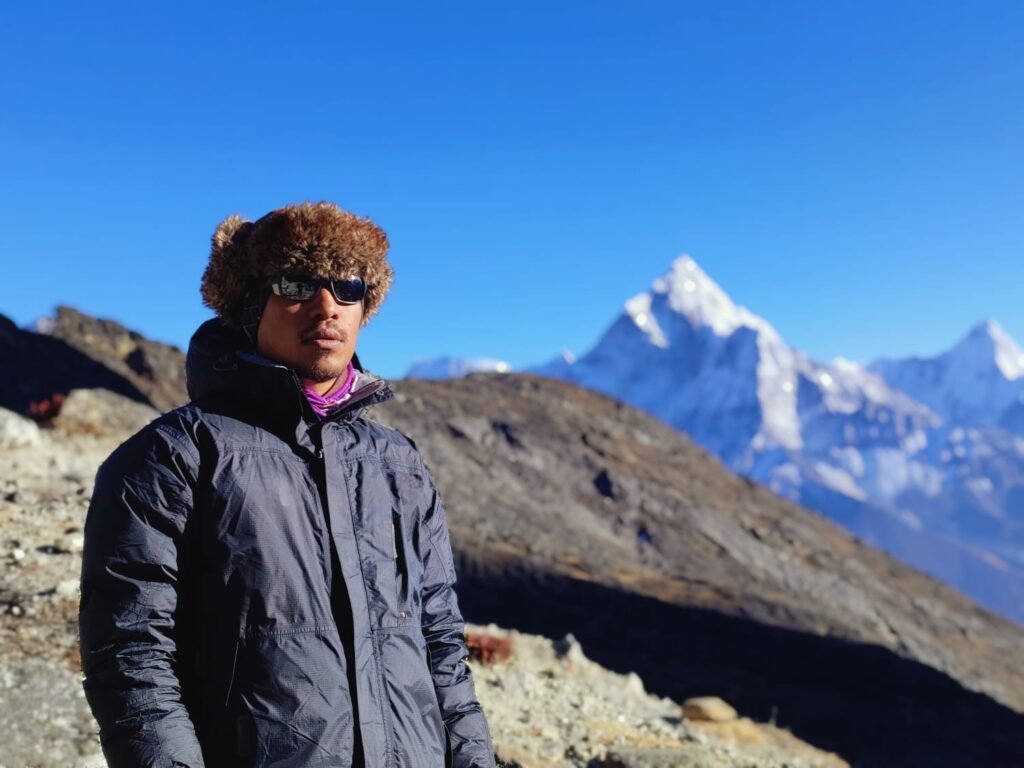


Why the Annapurna Region Is Made for Families
Trekking with children in the Annapurna region is one of the most rewarding ways to introduce a family to the Himalaya, because the terrain here is gentler and more forgiving than many travellers expect. The southern and central valleys around Pokhara sit on well-graded stone paths winding through terraced farmland, rhododendron forest and friendly Gurung and Magar villages where children are welcomed like relatives. Because Annapurna Circuit Treks is based in Pokhara, our licensed guides can meet you the evening before departure, check every family member’s gear, and adjust the daily plan to the slowest pair of little legs. Parents are often surprised by how capable kids become after the first two days, trading screens for butterflies, mule trains and the thrill of spotting a langur monkey in the canopy. A family trek is not a race to a high pass; it is a slow, shared adventure where the goal is wonder, not distance, and the region is built for exactly that pace.## Choosing the Right Route for Small Legs
Not every Annapurna trail suits a five-year-old, and the first rule of a happy family trek is to pick a route whose highest point stays modest. The classic mistake is to attempt the full circuit with children, because the Thorong La at over five thousand metres is no place for small lungs still learning to manage effort. Far better are the low and mid-elevation loops that deliver big mountain views without big altitude, such as the Ghorepani and Ghandruk circuit or the gentle climb to Australian Camp above Pokhara. These routes let kids walk two to four hours a day, celebrate a viewpoint, and still have energy for card games in the lodge. Annapurna Circuit Treks builds each family plan around a single comfortable lodge-to-lodge rhythm rather than a string of long, exhausting stages, and our [family trekking guide](/en/blog/annapurna-with-kids-family-trek) walks through age-appropriate distances and the signs a child is enjoying rather than enduring the walk.## The Ghorepani and Ghandruk Shortcut
The Ghorepani Poon Hill loop is the backbone of family trekking in Annapurna, and for good reason: it tops out at just over three thousand metres, the paths are broad and stone-paved in places, and the sunrise from Poon Hill is a spectacle that turns even reluctant walkers into early risers. Most families reach Ghorepani over two gentle days from the roadhead at Nayapul, with an overnight in the riverside village of Tikhedhunga or the bigger settlement of Ghandruk, a beautiful stone-built Gurung village with a museum and easy lanes for evening strolls. From Ghorepani the climb to the viewpoint is steep but short, and many families time it so children walk up in the dark with head torches and arrive as the first light hits Dhaulagiri and Annapurna South. After the sunrise, a short jeep transfer spares tired knees the final descent. Our [Poon Hill versus Mohare comparison](/en/blog/poon-hill-vs-mohare-sunrise-ridge) shows a quieter alternative ridge if you want to avoid the busiest lodges.## How Many Kilometres a Day Is Realistic
A useful rule of thumb for family trekking is to plan around three to five kilometres of actual walking on the first day, building to six or seven on later days, and to measure the day in hours rather than distance because mountain gradients make flat-map kilometres misleading. Children walk more slowly, stop more often, and treat every stream, prayer flag and stray puppy as a legitimate reason to pause. Annapurna Circuit Treks schedules departures so the morning session ends by lunch, the biggest meal and a rest happen at the warmest part of the day, and the afternoon stage is shorter. This protects energy and keeps moods high. A day that feels like a gentle stroll to an adult can be a marathon to a child carrying their own small pack. We also build in buffer time that is never needed but always available when a shoelace breaks, a blister appears, or a child simply decides the view is better from a rock, and our [day hike planning notes](/en/blog/best-day-hikes-around-pokhara) explain how to read a child’s fatigue before it becomes a meltdown.## Altitude and Children: What Parents Should Know
Altitude affects children differently than adults, and the single most important safety rule is to keep family treks below the zone where acute mountain sickness becomes a real risk. Below around three thousand metres, with a sensible pace and good hydration, children acclimatise naturally and the main complaints are ordinary tiredness and cold. Above that, the rules tighten: ascend slowly, sleep low, and watch for headache, nausea, loss of appetite or unusual irritability, which in a child may be the only signal that something is wrong. Annapurna Circuit Treks trains every family guide to run the standard symptom checks each evening and to have a descent plan ready. The reassuring news is that the best family routes in Annapurna rarely push into dangerous altitude. If your plan includes a higher section, we build an extra rest day and a conservative ascent profile, and our [altitude sickness guide](/en/blog/altitude-sickness) lists exactly what to watch for and when to turn around, so a family trek stays safer than the drive to the trailhead.## Packing for Kids on the Trail
Packing for a child on a teahouse trek is mostly about layers, because mountain temperatures swing from warm sunshine to near-freezing between noon and night, and a child who is cold or wet becomes a child who is miserable. The core kit is a wicking base layer, a fleece, an insulated jacket, a waterproof shell, a warm hat and gloves, and at least two pairs of good wool socks. Footwear matters most: well broken-in waterproof trainers or light hiking shoes with ankle support beat brand-new boots every time. Annapurna Circuit Treks sends a packing list tailored to your child’s age and the season, and our Pokhara office can lend child-sized daypacks and sleeping bag liners so you travel light. Do not overload the child’s own pack; let them carry a water bottle, a snack and a small treasure collection, and let the porter or parent carry the weight. Our [full packing list](/en/blog/annapurna-packing-list) covers every item from headtorch to blister plasters, plus family-specific extras like child-dose first aid.## Food, Water and Keeping Everyone Fuelled
Teahouse food on family routes is hearty, familiar and reassuringly safe when you follow a few simple rules, and the menu is broad enough that even fussy eaters find something they like. Dal bhat, the lentil and rice staple, is the reliable fuel because it is cooked fresh and hot; noodles, fried rice, pasta, potato dishes and egg-based breakfasts fill the gaps. Annapurna Circuit Treks instructs families to eat cooked food, peel fruit themselves, and avoid raw salads washed in untreated water on the higher sections. For water we treat or filter every source and carry purification, and we encourage children to sip constantly rather than gulp, which keeps energy steady and heads clear. Snacks are a secret weapon on a family trek: a small reward at the top of a climb or a shared packet of biscuits at a viewpoint turns a grind into a game. Our [food and teahouse guide](/en/blog/annapurna-food) explains which dishes are safest at each elevation, and guides help you order so the whole table eats together.## Teahouses and Family-Friendly Lodges
The teahouse system is what makes Annapurna uniquely friendly to families, because instead of carrying tents and stoves you sleep in stone and timber lodges run by local families, eating in a communal dining room warmed by a bukhari stove. On the popular family routes these lodges are numerous, clean and used to children, with mattresses, blankets and sometimes separate family rooms that let everyone sleep in one space. Annapurna Circuit Treks pre-books the better lodges in peak season so you are not negotiating a bed at dusk with a tired child in your arms. The community lodge model also means your money goes directly to the valley, which our [community support article](/en/blog/how-trekking-supports-communities) describes in detail. Choosing the right lodge matters more with kids than with adults: we look for ones with enclosed courtyards where children can play safely, reliable hot water for the evening wash, and a dining room that stays warm after dark. Our [comfortable teahouse guide](/en/blog/comfortable-teahouse-annapurna) rates lodges by exactly these family criteria.## Keeping Children Warm at Night
Mountain nights are cold even in peak season, and a child who sleeps badly from cold is a child who struggles the next day, so night warmth deserves as much planning as the daytime walk. The system that works is layers plus a good sleeping bag rated to at least zero Celsius, plus the lodge blankets piled on top, plus a hot water bottle filled by the kitchen at bedtime. Annapurna Circuit Treks reminds families to request extra blankets at check-in and to dry any damp clothing by the stove before sleep. Thermal base layers worn to bed, a warm hat, and socks reserved only for sleeping make a real difference when the temperature drops toward freezing. A practical trick is to heat tomorrow’s clothes on the bukhari in the evening so the morning change is not a shock, and to keep a torch and a cuddle toy within reach for the inevitable middle-of-the-night wake-up. Our [packing list](/en/blog/annapurna-packing-list) flags the sleep-specific items many first-timers forget, because good sleep is the foundation of a good family trek.## Entertainment and Learning on the Trail
The trail itself is the entertainment if you let it be, and children are natural naturalists when given the chance to notice. Annapurna Circuit Treks guides turn the walk into a moving classroom: naming birds, explaining how the stone-paved paths were built by community labour, pointing out the difference between a rhododendron and an oak, and teaching a few Nepali words that unlock delighted smiles from villagers. A simple notebook for rubbing leaf prints, a small magnifying glass, or a countdown chart of villages reached keeps younger children engaged. The absence of screens, far from being a hardship, often becomes the highlight as families actually talk to each other. Cultural learning lands best through participation: children can help spin a prayer wheel, learn why mani stones are carved with mantras, or join a lodge owner’s daughter carrying firewood. Our [cultural guide to the region](/en/blog/annapurna-culture) explains the Buddhist and Hindu practices you will meet, and a little preparation at home makes the encounters meaningful rather than confusing for curious young minds.## Safety, Guides and the Licensed Advantage
Hiring a licensed guide is not a luxury on a family trek; it is the single decision that turns a worrying idea into a manageable one, and in Nepal’s national parks a guide is effectively required for many routes anyway. A licensed guide from Annapurna Circuit Treks knows the daily weather patterns, the safe water sources, the lodges with the warmest rooms, and the exact point where a child’s fatigue means it is time to stop. Guides are trained in altitude assessment and basic first aid, and they carry a kit and a satellite phone. Beyond logistics, a guide is a cultural bridge and a morale manager who translates, negotiates lodge rooms, spots the early signs of a child’s altitude discomfort, and knows when to summon a jeep rather than push on. Our [guide requirement guide](/en/blog/do-you-need-a-guide-annapurna) sets out the current rules, and our [safety overview](/en/blog/annapurna-trek-safety-tips) covers the full risk picture. The licensed, Pokhara-based advantage means we can reach you fast if plans change, and Anish Maharjan’s team treats every family booking as a reputation held in trust.## Dealing with Tantrums and Tired Days
Every family trek hits a moment when a child simply will not take another step, and the experienced response is to expect it, plan for it, and never let it become a crisis. The causes are almost always predictable: hunger, cold, boredom or fatigue, and the fix is usually a snack, a layer, a game or a carry. Annapurna Circuit Treks builds rest stops into the plan so the hard moments are brief, and our guides are skilled at distraction, turning a stubborn refusal into a counting game or a race to the next painted rock. A porter or parent carrying the child for a stretch is not failure; it is parenting on a mountain. The bigger lesson is to lower your own expectations of distance and let the child set the pace, because a forced march produces tears and a ruined next day. Our [beginner guide](/en/blog/can-beginners-trek-annapurna-circuit) stresses the same patience for adults new to trekking. Build in a zero-pressure day with no big climb, and families who embrace the slow rhythm report that the difficult moments were few and the proud ones many, the only metric worth keeping.## Cultural Moments Kids Remember
The encounters that stick with children are rarely the big views but the small human ones: a grandmother in a village pressing a sweet into a small hand, a line of colourful prayer flags strung by a monastery, the chance to ring a temple bell bigger than themselves. Annapurna’s lower villages are living communities, not museum pieces, and kids sense that immediately. Annapurna Circuit Treks routes families through working Gurung and Magar settlements where children can see how flour is ground, how buffaloes are milked, and how a lodge kitchen runs on firewood and goodwill. Monasteries along the route offer a quiet, respectful space where even restless children lower their voices, and our [monastery visit guide](/en/blog/annapurna-monasteries) explains how to behave so the moment stays special for both sides. Letting your child offer a small donation or light a butter lamp teaches generosity in a way no lecture can. These are the stories retold at school show-and-tell, the ones that plant a lifelong curiosity about the wider world and make the Himalaya a teacher as much as a destination.## Best Season for a Family Trek
Timing decides a lot of the family experience, and the two clear winners are autumn, from late September to November, and spring, from March to May, when skies are clear, temperatures are mild, and the trails are dry underfoot. Autumn brings the sharpest mountain views and the most stable weather, making it the safest bet for first family treks, while spring adds blooming rhododendron forests and warmer low-altitude days that suit smaller children. Our [best time to trek guide](/en/blog/best-time-to-trek-annapurna) breaks down each month, and our [spring trekking article](/en/blog/spring-in-annapurna-rhododendrons) captures the flower season in detail. Both windows avoid the summer monsoon’s leeches and landslides and the deep winter cold on higher sections. Winter is still possible on the lowest routes if you dress for it, and our [winter low-route guide](/en/blog/winter-trekking-annapurna-low-routes) explains how, but most families prefer the two shoulder seasons for comfort. Whatever you choose, Annapurna Circuit Treks checks the forecast in the days before departure and adjusts the plan for any unusual cold snap or late snow, so the season works in your favour.## Sample Seven-Day Family Itinerary
A realistic family plan keeps days short and views big, and a classic seven-day version runs from Pokhara to the Poon Hill loop and back with one rest day built in. Day one is a drive to Nayapul and a gentle walk to Tikhedhunga; day two climbs to Ghorepani through forest; day three is the pre-dawn Poon Hill sunrise then a descent to Tadapani; day four eases down to Ghandruk for museum and village time; day five is a rest or short walk; day six returns toward the road; and day seven drives back to Pokhara. Annapurna Circuit Treks tailors the exact pacing to your children’s ages and energy. This shape can stretch or shrink by a day without losing its logic, and we often add a night at Australian Camp above Pokhara as a gentle first taste of altitude and a stunning Annapurna panorama from the lodge door. Our [one-week trek options](/en/blog/one-week-annapurna-itinerary) shows other compact routes if you want variety, and the key is that nothing is rushed: every stage ends with daylight, a warm meal and a story before bed.## What Annapurna Circuit Treks Provides
When you book a family trek with Annapurna Circuit Treks, you are not buying a generic package but a plan built around your children by a Pokhara team that knows every lodge, weather pattern and tricky stream crossing on the route. Anish Maharjan’s company supplies licensed, child-friendly guides, pre-booked family rooms, porters to carry the load, a satellite phone, a child-aware first-aid kit, and a flexible daily schedule that bends around naps, snacks and sudden rain. We handle permits, transport from Pokhara, and the hundred small arrangements that turn a daunting idea into a smooth holiday, and we brief parents thoroughly before departure. Our community lodge model means your spend supports the valley directly, and our [responsible tourism guide](/en/blog/responsible-tourism-annapurna) explains how we keep that impact positive. We also offer the choice between a private family trip and joining a small group of similar-aged children. The measure of success for us is simple: does your child ask to come back? Year after year the answer from families is yes, and that is why we keep the routes low, the days short and the welcome warm.
Plan Your Annapurna Adventure
Annapurna Circuit Treks is a Pokhara-based operator run by Anish Maharjan, specialising in the Annapurna region. Every trip uses licensed guides, community lodges and a paced plan that puts safety and the local valley first. Tell us your dates, your fitness and the experience you want, and we return a trip built around you. Contact us and let’s plan the Annapurna that fits.
*Related reading: see our [Pillar Guide to the Annapurna Circuit](/en/blog/the-complete-guide-to-annapurna-circuit-trek), the [best day hikes around Pokhara](/en/blog/best-day-hikes-around-pokhara), and [how trekking supports communities](/en/blog/how-trekking-supports-communities).*
Related reading: Is Annapurna Trek Safe? Complete Annapurna Trek Safety Guide for First-Time & Experienced Trekkers | Annapurna Circuit trek vs Annapurna Base Camp – Which Trek is Right for You? | Less Crowded, More Rewarding: Alternative Trekking Routes in the Annapurna Region | Gurung and Magar Villages: Living Culture on the Annapurna Trail