
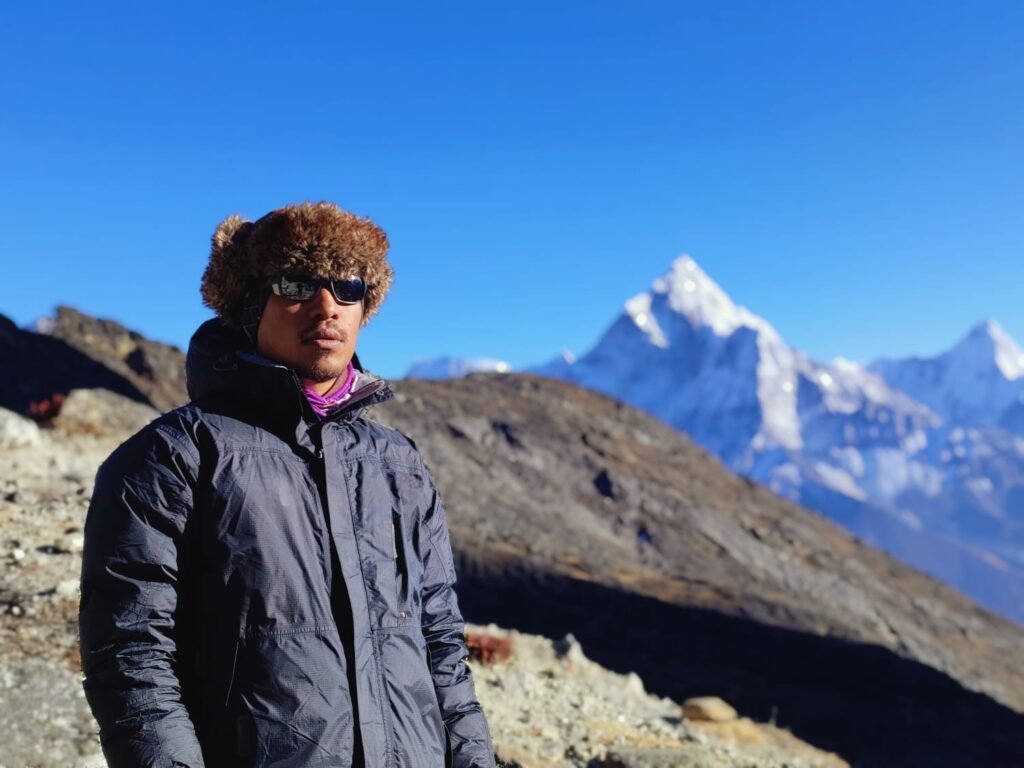


The Question Every Sanctuary Trekker Asks
Before they set off for the Annapurna Base Camp sanctuary, almost every trekker asks the same practical question: how cold is it actually going to be up there? It is a fair worry, because the sanctuary sits above four thousand metres, ringed by some of the highest mountains on earth, and cold is the one discomfort that can spoil an otherwise glorious trek if you are unprepared. The honest answer is that it gets genuinely cold, especially at night and in the early morning, but it is a cold you can prepare for completely with the right layers and the right lodge choices, and it is a small price for the spectacle of the ring of peaks at sunrise. At Annapurna Circuit Treks in Pokhara we brief every sanctuary group on exactly what to expect so no one is caught out.nnThis guide breaks down the cold by season, by time of day, and by altitude along the route, because how cold you feel depends on all three, plus wind and your own metabolism. We will cover the temperatures you can reasonably expect, the gear that keeps you warm, how the lodges handle heating, and the simple habits that make a cold night cosy rather than miserable. The sanctuary is reachable in roughly a week and is one of the most rewarding treks in Nepal, so understanding the cold is simply part of planning it well. Our [timing guide](/en/blog/best-time-to-trek-annapurna) and [weather overview](/en/blog/annapurna-weather) give the wider picture, but here we focus tightly on the thermometer at the base camp itself and how to beat it.nn## The Altitude and Why It Drives the Cold
The sanctuary, properly called Annapurna Base Camp, sits at around four thousand one hundred metres, high enough that the air holds a fraction of the moisture and heat of the lowlands, and that thin, dry air is the root of the cold. At altitude the atmosphere simply traps less warmth, so nights plummet even when days are pleasant, and the sun, though strong, cannot hold the temperature once it drops behind the peaks. The surrounding amphitheatre of snow and ice also radiates cold, and there is little to block the wind that funnels down the valley. This is why base camp feels colder than its raw number might suggest, the combination of height, reflection from snow, and exposure makes the cold bite. Understanding this helps you pack for the felt cold, not just the forecast one.nnThe climb from the low hills to the sanctuary passes through several climate zones, so you feel the cold arriving gradually, a cool evening in Chomrong, a sharp night at Himalaya, and then the serious cold at base camp itself. That gradual change is actually helpful, because it lets you add layers step by step rather than facing the full chill at once, and it is part of why the sanctuary, though high, is manageable for fit trekkers who respect the altitude. Our [acclimatisation notes](/en/blog/acclimatisation-tips) matter here too, because a body struggling with altitude feels the cold more, so pacing and hydration indirectly keep you warmer. The altitude is the cause; the right preparation is the cure, and both are predictable.nn## Temperatures by Season
The cold at base camp swings widely across the year, and season decides everything. Autumn, from late September to November, brings clear, stable weather and daytime sanctuary temperatures that can touch a few degrees above zero at midday but drop to around minus ten at night, sometimes colder in late November. Spring, March to May, is similar, with pleasantly cool days and nights around minus five to minus ten, though late spring can be milder. Winter, December to February, is the serious cold: nights commonly fall to minus fifteen or lower, and the upper trail can be icy, so only well-equipped trekkers attempt it, and our [winter trekking](/en/blog/winter-trekking-annapurna-low-routes) guidance is essential reading. The monsoon, June to August, is milder in temperature but wet, cloud hide the peaks, and the cold is damp rather than crisp.nnWhat this means practically is that no matter the season, expect sub-zero nights at the sanctuary, and pack for minus ten as a baseline, minus fifteen or twenty if you go in deep winter. Daytime on the final climb can be sunny and even warm in your layers, but the moment the sun lowers the temperature crashes, so the early start for sunrise, the headline experience, is also the coldest moment of the day. Annapurna Circuit Treks times the sanctuary stay for the clearest, calmest window in your chosen season and briefs you on the specific cold you will meet, because guessing by lowland weather is the classic mistake. The peaks do not care about the date; dress for the altitude, and you will be fine.nn## Day Versus Night: The Daily Swing
The single most important thing to understand about cold at base camp is the daily swing, because the difference between noon and 4am is dramatic and shapes your whole routine. In the middle of a clear day, especially in autumn or spring, the sun on the snow can make the sanctuary feel almost pleasant, and you may walk in a single layer with the sun on your back. But from late afternoon the temperature falls fast, and by midnight and the pre-dawn hours, when you rise for the sunrise, it is bitterly cold, often fifteen or twenty degrees below the daytime high. This swing is why layering, not a single big coat, is the answer: you add and shed through the day, and you pile on everything you own for the dawn viewpoint.nnThe sunrise itself, the reason most people endure the cold, happens at the coldest hour, so the walk to the viewpoint before first light is the testing moment, and the reward is the ring of peaks turning gold while your breath freezes. Trekkers who dress for this, base layer, fleece, down jacket, hat, gloves, and a warm drink in a flask, find it magical rather than miserable. Those who underestimate the swing suffer. Our [sunrise guide](/en/blog/best-sunrise-viewpoints-annapurna) stresses being positioned and warm before light, because the cold at that hour is real but entirely manageable with preparation. Plan your day around the swing: travel in the warmth, rise in the cold, and dress for both, and the sanctuary’s cold becomes part of its drama rather than a problem.nn## The Lodges and How They Handle Heat
The teahouses at base camp are basic and cold, and understanding their limits sets expectations. Most have a communal dining room with a stove, often a bukhari burning wood or sometimes gas, where trekkers gather in the evening for warmth and company, and that room is the warm heart of the cold night. Sleeping rooms, however, are unheated, and the walls are thin, so your bedroom will be close to the outside temperature, which is why a good sleeping bag, rated to at least minus ten or lower, is non-negotiable. Beds have mattresses but little insulation, so a closed-cell foam pad under your bag adds crucial warmth from the cold floor. The lodge gives you shelter and a hot meal; it does not give you heat in bed, and that is the part trekkers must supply themselves.nnSmart habits make the cold lodge cosy: eat a big dinner for fuel, fill a water bottle with hot water and tuck it in your bag as a heater, wear your layers to sleep, and use a beanie and socks through the night. Many trekkers wear their down jacket inside the bag at the coldest hours. The dining room stove is also the social centre, a place to warm up before the dawn sortie, so plan to be there early with a thermos. Annapurna Circuit Treks books the more solid community lodges where possible and briefs you on the night routine, because knowing the lodge is cold beforehand stops the shock. The cold at base camp is a fact of the place; meeting it with the right bag and habits turns a shivery night into a snug, memorable one.nn## Gear That Keeps You Warm
Beating the cold at base camp is mostly about gear, and a short, specific list covers it. A genuinely warm insulated jacket, down or quality synthetic, is the single most important item, worn over a fleece and a wicking base layer. A warm hat, gloves, and a buff protect the extremities where heat escapes, and thermal leggings under trekking pants add real warmth at night. A sleeping bag rated to minus ten or lower, plus a sleeping bag liner for extra degrees and hygiene, is essential, and a foam pad under the bag insulates from the floor. A reusable hot-water bottle, a thermos for dawn, and a pair of camp shoes or thick socks round out the kit. Our full [packing list](/en/blog/annapurna-packing-list) scales this for the sanctuary specifically.nnAvoid cotton next to skin, because it holds cold moisture; choose merino or synthetic base layers that wick and warm even when damp. Hand and toe warmers are a cheap insurance for the coldest mornings. Importantly, none of this gear is exotic or heavy by trekking standards, and it is the same kit that serves the higher [circuit](/en/blog/the-complete-guide-to-annapurna-circuit-trek) passes, so it is a sound investment beyond this one trek. Annapurna Circuit Treks advises every sanctuary trekker on exact ratings and helps source gear in Pokhara if you arrive short. The cold is predictable, and so is the gear that defeats it; pack the list, and the base camp night becomes something you handle with ease rather than endure.nn## The Wind and the Wind Chill
Temperature alone understates the cold at base camp, because wind chill can make a still minus ten feel like minus twenty, and the sanctuary, open to the sky and funneling air down from the peaks, can be breezy even when the valley below is calm. The wind is worst on exposed sections of the final climb and at the viewpoint itself, where you stand still in the pre-dawn to watch the sunrise, precisely when you are most vulnerable to chill. A windproof shell over your layers is therefore as important as the insulation beneath it, because stopping the wind stops most of the heat loss. Gloves and a face cover help when the wind bites, and turning your back to it at the viewpoint conserves warmth while you watch the light.nnThe wind also drives the practical advice to rise, watch, and retreat, enjoy the sunrise, then get back to the dining room stove quickly rather than lingering in the gale. Trekkers who underestimate wind chill are the ones who get uncomfortably cold at the headline moment, so dress for wind, not just for the number on a forecast. Our [weather guide](/en/blog/annapurna-weather) explains how mountain winds build, and a guide will read the conditions and time your viewpoint visit to the calmer, clearer window. The cold plus wind at base camp is real but entirely manageable with a shell and a plan, and the spectacle of first light on the ring of peaks is worth every layer you put on to see it.nn## Cold, Altitude and Your Body
The cold and the altitude interact in ways worth knowing, because a cold, tired body struggles more with height, and a body fighting altitude feels the cold more, a feedback loop that good preparation breaks. Dehydration worsens both, because the dry thin air steals moisture and you feel less thirsty, so drinking steadily through the day keeps you warmer and safer. Eating enough, especially warm carbohydrates, fuels your internal furnace, which is why the big dal bhat dinner matters more than it tastes. Poor sleep from the cold then slows recovery and dulls your altitude judgement, so a warm night is not a luxury but part of staying healthy at base camp. Our [altitude guide](/en/blog/altitude-sickness) and this cold guide are two halves of the same preparation.nnWatch for the signs that cold is becoming a problem: shivering that will not stop, clumsiness, confusing thoughts, these are hypothermia’s early warnings and demand immediate warming, sweet drinks, and shelter, as our [safety overview](/en/blog/annapurna-trek-safety-tips) explains. The sanctuary’s cold is rarely dangerous if respected, but the combination of cold and altitude after a long climb is exactly where trekkers get into trouble, so the basics, layers, food, water, a warm bag, earn their place many times over. Annapurna Circuit Treks paces the climb so you arrive rested, fed, and able to enjoy the cold rather than fight it, because a well-prepared body laughs at a minus-ten night and wakes ready for the sunrise.nn## Staying Warm at Night: Practical Habits
A few simple night habits turn a cold base camp sleep from ordeal to comfort, and every seasoned trekker knows them. Eat a substantial, warm dinner and drink hot fluids into the evening to fuel your internal heat. Fill a metal or hard bottle with boiling water at dinner and slip it into your sleeping bag as a heater that lasts hours. Wear your base layer, fleece, hat, and socks to bed, and consider your down jacket over the bag at the coldest hours. Use a sleeping bag liner for extra degrees and a foam pad under the bag against the floor. Keep tomorrow’s clothes inside the bag so they are warm to put on for the dawn, and avoid leaving the warm bag once you are in, because getting out is the hard part.nnThese habits sound small but they compound, and trekkers who follow them wake warm and ready, while those who ignore them shiver until light. The communal stove room is your friend, warm up there before bed and again before the sunrise sortie, and keep a headtorch and your layers right by the bag for the pre-dawn dress in the dark. Annapurna Circuit Treks briefs every sanctuary group on this exact routine, because the cold is predictable and so is the cure. The base camp night is part of the adventure, a high, quiet, star-filled cold that most trekkers remember fondly precisely because they met it well, and a few habits are all it takes to make it so.nn## Is the Cold Worth It
Every trekker who has stood in the sanctuary at first light says the same thing: yes, the cold is utterly worth it. The sight of the entire ring of peaks, Annapurna I, Annapurna South, Machhapuchhre, Hiunchuli, and the rest, turning from grey to rose to gold while you stand in the thin cold air is one of the great spectacles of the Himalaya, and no warm hotel could sell it. The cold is the price of admission to that moment, and it is a small one paid entirely in layers and a warm bag. Trekkers routinely call the freezing dawn at base camp the highlight of their Nepal trip, precisely because the discomfort frames the beauty and makes it sharper, more alive, more earned.nnThe cold also clarifies the experience, stripping away distraction and leaving only you, the mountains, and the light, a purity that warmer, easier places cannot match. With the right preparation it is never dangerous and rarely even unpleasant, just bracing and real. Our [photography guide](/en/blog/annapurna-photography-tips) notes that the cold, clear air also makes for the sharpest images, a bonus for those with cameras. So when you ask how cold Annapurna Base Camp is, the full answer is cold enough to respect and prepare for, but not cold enough to fear, and worth every degree for the sunrise it delivers. Pack for minus ten, rise before dawn, and let the mountains do the rest.nn## Preparing for the Cold With Annapurna Circuit Treks
The cold at Annapurna Base Camp is predictable, manageable, and more than worthwhile, and the surest way to meet it well is to trek with people who brief you on it and equip you for it. Annapurna Circuit Treks, based in Pokhara and run by Anish Maharjan, prepares every sanctuary group for the altitude and the cold: we advise the exact gear ratings, book the more solid community lodges, pace the climb so you arrive rested, and run through the night-warming routine before you sleep at base camp. Our licensed guides read the weather and time your sunrise visit for the calmest, clearest, warmest-possible window within the cold.nnTell us your dates and your cold tolerance, and we will build a sanctuary trek that keeps you safe and warm while delivering the sunrise you came for. Whether it is your first high trek or one of many, our team ensures the cold is a backdrop, not a barrier, to the ring of peaks. Plan your Annapurna Base Camp trek with Annapurna Circuit Treks, and stand in the gold light of the sanctuary warm, prepared, and unforgettable.
Plan Your Annapurna Adventure
Annapurna Circuit Treks is a Pokhara-based operator run by Anish Maharjan, specialising in the Annapurna region. Every trip uses licensed guides, community lodges and a paced plan that puts safety and the local valley first. Tell us your dates, your fitness and the experience you want, and we return a trip built around you. Contact us and let’s plan the Annapurna that fits.
*Related reading: see our [Pillar Guide to the Annapurna Circuit](/en/blog/the-complete-guide-to-annapurna-circuit-trek), the [best day hikes around Pokhara](/en/blog/best-day-hikes-around-pokhara), and [how trekking supports communities](/en/blog/how-trekking-supports-communities).*