
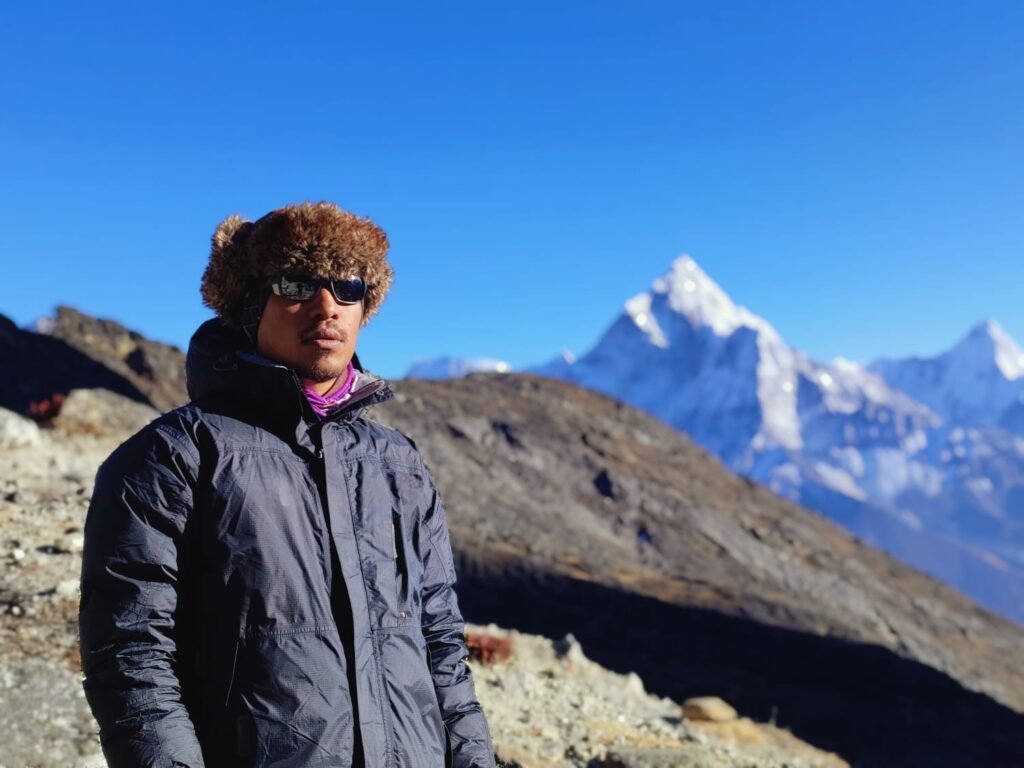


What the HRA Clinics Are and Why They Exist
Along the great trekking routes of Nepal, including the Annapurna region, a quiet network of mountain clinics operates under the umbrella of the Himalayan Rescue Association, known simply as the HRA, providing medical care in places where the nearest hospital is a day or more away. These clinics exist because the combination of altitude, remoteness and the sheer number of trekkers creates a predictable need for skilled medical help far from any road. At Annapurna Circuit Treks in Pokhara, we brief every client on these clinics, because knowing where they are can be as important as knowing the trail.
The HRA was founded decades ago by trekkers and doctors who had seen too many preventable tragedies in the hills, and its clinics have since treated hundreds of thousands of travellers and locals alike, becoming a cornerstone of mountain safety. Understanding the [safety infrastructure](/en/blog/annapurna-trek-safety-tips) of the Annapurna region means recognising that you are never truly alone on the trail, that trained help exists at key points, and that part of responsible trekking is knowing how to reach it. The clinics are a reassurance, but also a responsibility to use wisely.
The Main Clinics on the Annapurna Route
The Annapurna region is served by HRA-affiliated medical posts at several strategic altitudes, the most famous being the high-altitude clinic at Manang, which sits around three and a half thousand metres on the approach to Thorong La, and the post at Muktinath on the far side of the pass. These are not casual first-aid stations but proper clinics with doctors, oxygen, pressure bags and the ability to diagnose and treat altitude illness, the single biggest medical threat on the circuit. Their placement is deliberate, bracketing the highest, most dangerous stretch of the route.
Knowing these locations lets a trekker plan around them, building a rest and check-up into the Manang stop, for instance, where a doctor can assess acclimatisation before the pass. We weave this into our [itineraries](/en/blog/annapurna-circuit-itinerary), treating the Manang clinic not as a last resort but as a proactive resource. The [Annapurna Circuit](/en/blog/the-complete-guide-to-annapurna-circuit-trek) is far safer for the existence of these posts, and understanding their role is part of any serious trekker’s preparation, a fact we emphasise in every briefing.
What the Clinics Can and Cannot Do
It is important to be realistic about what a mountain clinic offers, because over-confidence is as dangerous as ignorance. The HRA posts are equipped to diagnose and manage altitude sickness, treat common trekking ailments like respiratory and gastrointestinal illness, dress wounds, and stabilise serious cases for evacuation, often with oxygen and a portable hyperbaric chamber. They are genuine medical facilities staffed by experienced practitioners, and for the conditions trekkers most commonly face they are remarkably effective, frequently the difference between a scare and a catastrophe.
What they cannot do is replace a hospital for major trauma, complex surgery or conditions needing intensive care, and in such cases the clinic’s role is triage and stabilisation pending evacuation by helicopter or descent. Understanding this limit is why [evacuation planning](/en/blog/annapurna-trek-safety-tips) matters, and why we ensure every client knows the evacuation route and insurance requirements before they walk. The clinics are a powerful safety net, not a reason to take foolish risks, and respecting that distinction keeps them effective for everyone.
Altitude Sickness: The Clinics’ Core Mission
The reason the HRA clinics exist in their current form is altitude sickness, the cluster of conditions, acute mountain sickness, high-altitude pulmonary oedema and high-altitude cerebral oedema, that threaten trekkers who gain height too fast. These clinics are world-class in recognising and treating such illness early, often before it becomes life-threatening, using assessment, oxygen, medication and descent advice. A trekker who feels unwell at Manang can be evaluated on the spot, a capability that has saved countless lives on the circuit and turned potential disasters into manageable episodes.
This is why understanding [altitude sickness](/en/blog/altitude-sickness) and respecting the clinics’ guidance is non-negotiable, because a doctor’s advice to descend is not optional commentary but a likely lifesaver. We drill this into clients: ignore mild symptoms at your peril, use the clinic proactively, and never let pride override medical counsel. The synergy of [good acclimatisation](/en/blog/acclimatisation-tips) practice and accessible clinic care is the backbone of modern Annapurna safety, and the HRA makes the latter real on the ground.
How to Use a Clinic Proactively
The best use of an HRA clinic is not waiting until you are desperate but checking in when something feels off, and trekkers are encouraged to do exactly that. A headache that will not lift, unusual fatigue, a loss of appetite at altitude, or breathlessness out of proportion to effort are all reasons to seek the clinic, where a quick assessment, often including oxygen saturation measurement, can catch trouble early. Many trekkers simply stop by at Manang as a routine acclimatisation check, a smart habit that costs nothing and can reveal problems before symptoms escalate.
We normalise this proactive behaviour in our briefings, because the stigma of seeming weak has no place at altitude, where early action is everything. Knowing the clinic is there, and using it as a resource rather than a failure, is a mark of a mature trekker. Building the Manang or Muktinath post into your [itinerary](/en/blog/annapurna-circuit-itinerary) as a planned stop, not an emergency detour, embodies the [safety-first](/en/blog/annapurna-trek-safety-tips) mindset we instil, turning medical care into routine rather than crisis.
The Doctors and Volunteers Who Staff Them
The clinics run on a remarkable workforce of rotating doctors, many of them volunteers who give weeks of their time to serve the mountains, supported by local staff who keep the posts running year-round. These are often experienced practitioners with specific high-altitude medicine training, and their presence is a quiet miracle of the trekking world, skilled care delivered in a tin-roofed building at three and a half thousand metres. Their dedication is part of what makes the Annapurna route safer than its terrain alone would allow.
Travellers benefit not only from their treatment but from their advice, which extends to pacing, hydration and when to turn back, the practical wisdom of people who have seen every mistake. We hold these clinicians in high regard and brief clients to follow their guidance without argument. Supporting the HRA, whether through the small fees clinics charge or through the broader association, is a form of [community and traveller support](/en/blog/how-trekking-supports-communities) that directly protects the next person on the trail, a cause we are proud to champion.
Costs, Fees and How the Clinics Are Funded
A practical question trekkers ask is what care costs, and the answer reflects the HRA’s philosophy: the clinics charge modest fees for consultations and treatments, kept low deliberately so that no one delays care for lack of money, while major funding comes from membership, donations and the trekking community itself. This hybrid model keeps the posts open and staffed without turning medical care into a profit centre, a rare and commendable arrangement in remote healthcare. Trekkers are often encouraged to take out HRA membership, a small outlay that supports the service they may one day need.
We explain this funding model so clients understand that using the clinic responsibly, paying fees, not abusing the service, and supporting the association, keeps it viable for all. It is a neat example of [responsible tourism](/en/blog/responsible-tourism-annapurna) in practice, where the travelling community sustains the safety infrastructure it depends on. Knowing the [costs](/en/blog/annapurna-circuit-trek-cost) are deliberately minimal removes a barrier to seeking help, which is exactly the point, because the clinics exist to be used, early and often, by those who need them.
Evacuation and the Role of the Clinics
When a case exceeds what a clinic can treat, the next link in the chain is evacuation, and the HRA posts are central to coordinating it, stabilising the patient, arranging helicopter or organised descent, and communicating with rescue services. This is where the clinic’s value multiplies, because a well-stabilised patient evacuates more safely and a clearly documented case speeds insurance and rescue approval. Trekkers should understand that evacuation is serious, costly and weather-dependent, which is why prevention and early clinic use matter so much.
We ensure every client carries adequate evacuation insurance and knows the procedure before departure, because the clinic can only help if the wider system is understood and funded. The interplay of [safety planning](/en/blog/annapurna-trek-safety-tips), clinic care and insurance is the full arc of mountain medical readiness, and the HRA sits at its heart on the Annapurna route. Respecting this system, by preparing in advance rather than relying on rescue as a fallback, is the responsible trekker’s approach, and it is one we insist upon in our briefings.
Clinics and the Local Communities
Beyond trekkers, the HRA clinics serve the valley’s own people, who face the same altitude and accident risks without the option of flying home, and this dual role deepens their value. A local child with pneumonia, a herder with a wound, a villager with altitude illness, all are treated alongside visitors, making the clinics genuine community health posts as much as trekker aid stations. This service strengthens the social fabric of the region and embodies the mutual dependence of tourism and local wellbeing that defines responsible travel here.
Understanding this dual mission enriches a trekker’s appreciation of the clinics from a convenience into a shared resource, and it aligns with [how trekking supports communities](/en/blog/how-trekking-supports-communities), since trekker fees and membership help fund care for residents too. The [conservation area](/en/blog/annapurna-conservation-area) ethos of looking after the whole mountain system extends naturally to its people, and the HRA clinics are among the clearest expressions of that care on the Annapurna route, worthy of every traveller’s respect and support.
Preparing to Use the System Well
The most responsible thing a trekker can do regarding the clinics is prepare before needing them, and that preparation has several parts: understanding altitude illness, carrying insurance that covers evacuation, knowing the clinic locations on your route, and briefing yourself on symptoms so you can self-assess honestly. None of this is difficult, but all of it is often skipped by overconfident travellers, which is precisely why we make it standard in every Annapurna Circuit Treks briefing. The system works best when trekkers meet it halfway with knowledge.
This preparation also means letting go of the idea that seeking help is weakness, a cultural shift many first-timers need to make. The clinics are there because the mountains are genuinely dangerous at altitude, not because trekkers are soft, and using them wisely is a sign of competence. We tie this into our broader [safety culture](/en/blog/annapurna-trek-safety-tips) and our [acclimatisation](/en/blog/acclimatisation-tips) guidance, so that medical readiness is one thread in a well-planned, well-protected Annapurna journey rather than an afterthought triggered by crisis.
HRA Membership Explained
HRA membership is the simplest way a trekker can both protect themselves and sustain the clinics, and it is worth understanding before you travel. For a modest annual fee, membership typically entitles you to reduced consultation charges at the posts and, more importantly, signals your support for the association’s wider work, from training doctors in high-altitude medicine to maintaining the Manang and other facilities through the lean seasons when trekkers are few.
We encourage clients to take it out as part of their pre-trek preparation, alongside insurance and a first-aid kit, because the small cost is trivial against the value of a functioning clinic system on the route. Membership is not insurance and does not replace evacuation cover, but it is a complementary piece of the safety picture. Treating it as routine, as you would a permit, is part of the [responsible](/en/blog/responsible-tourism-annapurna) mindset that keeps the Annapurna’s medical net strong for every walker who follows you.
What to Do in a Medical Emergency
If a serious problem arises on the trail, a calm, rehearsed response saves lives, and the clinics are central to it. The first step is to stop and assess rather than push on, because exertion worsens most mountain illnesses. The second is to seek the nearest help, whether that is a lodge owner with first-aid knowledge, a village health post, or directly the HRA clinic if you are near one. The third is to communicate clearly: tell the clinician your altitude gain, your symptoms and your timeline, because that information drives the right call on oxygen, medication or descent.
We drill this sequence so it is instinctive, not improvised under stress. Carrying a phone with offline emergency numbers, knowing your exact location on the route, and having insurance details accessible all shorten the gap between collapse and care. The [safety](/en/blog/annapurna-trek-safety-tips) net only works if you pull it, and the clinics exist precisely so that a remote emergency becomes a managed one. Preparation, not panic, is the trekker’s best medicine when the mountains bite.
Preventing Altitude Illness on the Trail
The best clinic visit is the one you never need, and prevention is squarely in the trekker’s hands. The principles are dull but lifesaving: gain height gradually, with a structured [acclimatisation](/en/blog/acclimatisation-tips) plan that includes rest days; hydrate consistently even when you are not thirsty; eat enough despite a suppressed appetite; and descend at the first sign of worsening symptoms rather than hoping they pass. Most altitude illness is simply the body protesting a climb that was a little too fast, and slowing down is the cure.
We build these habits into every itinerary and every briefing, because the clinics, excellent as they are, would rather you never walk through their door in distress. Prevention also means honesty with yourself and your guide about how you feel, since pride is a known killer at altitude. Pairing disciplined self-care with knowledge of the @@hra-clinics-annapurna-route@@[HRA clinics] nearby gives you the fullest possible protection, the calm confidence of a trekker who is both careful and covered.
Stories of the Clinics in Action
The abstract value of the clinics becomes concrete in the stories trekkers bring home, and they are remarkably consistent in shape. A walker feels off at Manang; a clinician measures oxygen saturation, finds it low, and advises a rest day or a descent; the walker obeys; and a potential emergency dissolves into a footnote. Or a porter develops a chest infection far from a road, and the local post treats him on the spot, sparing his family a catastrophe. These are the quiet, daily saves that never make headlines.
We share such accounts not to alarm but to normalise the clinics as part of the journey, as ordinary and expected as a tea break. They are proof that the Annapurna, for all its danger, is a managed wilderness, and that the HRA is the reason so many trekkers return rather than risk everything to the thin air. Knowing these stories beforehand turns the clinic from a forbidding last resort into a friendly waypoint, which is exactly how a prepared trekker should see it.
Trek Safely With Annapurna Circuit Treks
The HRA clinics along the Annapurna route are one of the quiet wonders of Himalayan trekking, a network of skilled, affordable medical care placed exactly where the mountains are most dangerous, and knowing them is part of trekking responsibly. From the high post at Manang to the clinic at Muktinath, these facilities turn altitude sickness from a silent killer into a managed risk, staffed by dedicated doctors and funded by a community that understands their worth. Annapurna Circuit Treks, based in Pokhara and run by Anish Maharjan, builds this knowledge into every trip we lead.
Tell us your route and we will brief you on the clinics you will pass, the symptoms to watch, the insurance you need and the [safety margins](/en/blog/annapurna-trek-safety-tips) to keep, weaving medical readiness into your [itinerary](/en/blog/annapurna-circuit-itinerary) as standard. With licensed guides, proactive acclimatisation and respect for the HRA’s work, we make the Annapurna both ambitious and safe. Reach out and let us plan a trek where help is known, not hoped for, every step of the way.
Plan Your Annapurna Adventure
Annapurna Circuit Treks is a Pokhara-based operator run by Anish Maharjan, specialising in the Annapurna region. Every trip uses licensed guides, community lodges and a paced plan that puts safety and the local valley first. Tell us your dates, your fitness and the experience you want, and we return a trip built around you. Contact us and let’s plan the Annapurna that fits.
*Related reading: see our [Pillar Guide to the Annapurna Circuit](/en/blog/the-complete-guide-to-annapurna-circuit-trek), the [best day hikes around Pokhara](/en/blog/best-day-hikes-around-pokhara), and [how trekking supports communities](/en/blog/how-trekking-supports-communities).*
Related reading: Is Annapurna Trek Safe? Complete Annapurna Trek Safety Guide for First-Time & Experienced Trekkers | Annapurna Circuit trek vs Annapurna Base Camp – Which Trek is Right for You? | Annapurna Circuit Trek Connected with Manaslu Circuit: Nepal’s Ultimate Himalayan Adventure | Annapurna Base Camp Trek Experience: A Journey to the Heart of the Himalayas