This Annapurna travel guide 2026 gives you a clear, local-expert overview of the best
Annapurna trekking routes, practical Annapurna itineraries, permit essentials,
seasonal planning, costs, safety tips, and what to pack—so you can choose the right trek and travel confidently.
Introduction to Annapurna Region : The Annapurna Travel Guide
The Annapurna Region is Nepal’s most versatile trekking destination in 2026. What makes it special is choice: you can hike gentle
village trails for a few days, or take on serious high-altitude journeys that cross remote passes. Because the teahouse network is
well-established, you’ll find comfortable places to sleep and eat along most popular routes—ideal for first-time trekkers and
reassuring even for experienced hikers who want reliable logistics.
In 2026, Annapurna region trekking continues to stand out thanks to improved trail access and a growing emphasis on
responsible travel.
Reliable trails & teahouses: good signage, regular villages, and warm hospitality.
Better access: easier transfers to key trailheads for short and moderate itineraries.
Sustainable tourism: conservation fees and community support are built into the trekking system.
Safety & compliance: permits and checkpoints help manage trekkers and reduce risk.
From terraced hills and rhododendron forests to glacier viewpoints and trans-Himalayan valleys, Annapurna delivers variety,
flexibility, and authentic village culture in one region.
Overview of Popular Trekking Routes in the Annapurna Region
The Annapurna region is famous for world-class routes that fit different schedules and fitness levels. Here are the top options for
2026—each with a distinct character and highlight.
Annapurna Base Camp Trek (ABC)
4,130 m
The Annapurna Base Camp trek is the classic journey into a dramatic sanctuary of peaks. Expect cultural villages,
forested trails, and a final approach into the amphitheater at base camp—a breathtaking reward for steady, moderate effort.
Time: 8–12 days
Best for: first-timers, photographers, moderate fitness
The Annapurna Circuit trek is a full Himalayan crossing—lush valleys, high alpine terrain, and the trans-Himalayan
landscape beyond the pass. It’s perfect if you want a long, varied trek with strong cultural depth.
Time: 12–21 days
Best for: experienced trekkers, long holidays
Highlights: Manang, Thorong La, Muktinath, Kali Gandaki
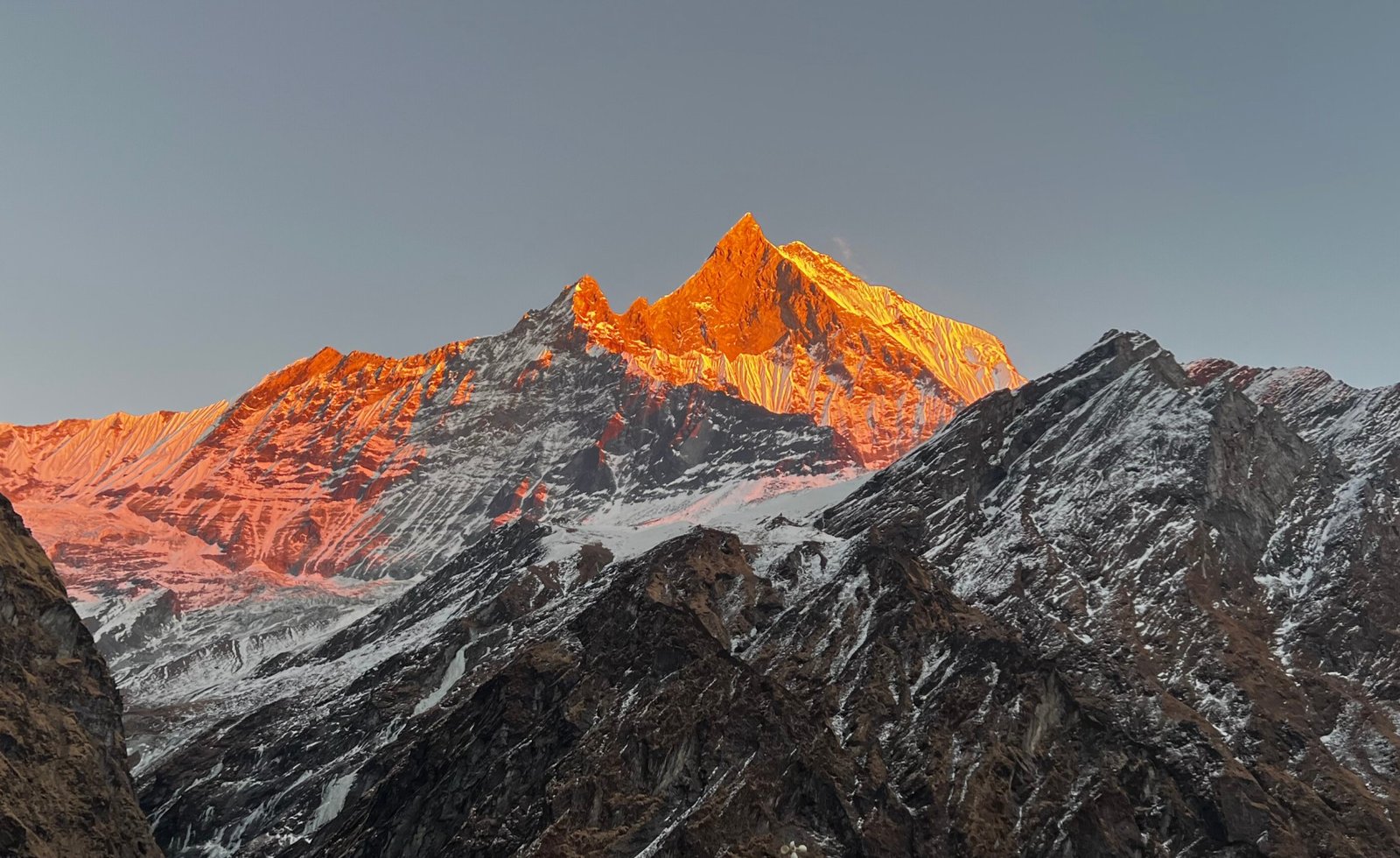
Mardi Himal is a quieter ridge route with remarkable views of Machapuchare (Fishtail). It’s an excellent choice if you want big
scenery, fewer crowds, and a shorter itinerary.
Poon Hill is the best short trek for sunrise views over Annapurna and Dhaulagiri. Comfortable teahouses, village culture, and a
manageable altitude make it ideal for families and first-time hikers.
Khopra Ridge rewards you with quieter viewpoints and community lodges. Tilicho Lake is a high-altitude side adventure often added
to the Circuit for dramatic landscapes and a remote feel.
These itinerary ranges reflect common, safe pacing used by local guides. If you’re unsure, choose the moderate option—it tends to be
the best value in comfort and views.
Short Treks (3–7 Days)
Great for limited time and first-time Himalayan travel. Most stay below 4,000 m and don’t require acclimatization days.
Ghorepani Poon Hill (4–5 days): sunrise viewpoint + village culture.
Mardi Himal (5–7 days): ridge trek with close Machapuchare views.
Australian Camp & Dhampus (2–3 days): easy panoramas near Pokhara.
Moderate Treks (8–12 Days)
The best balance of scenery, comfort, and achievement. Ideal for ABC and quieter alternatives like Khopra.
Annapurna Base Camp (8–12 days): the classic sanctuary trek.
Khopra Ridge (9–11 days): quieter trails + big viewpoints.
Long & Challenging Treks (13–21 Days)
Best for strong hikers and travelers who want the full Himalayan transition from green valleys to high passes and dry valleys.
Annapurna Circuit (15–21 days): Thorong La crossing + diverse landscapes.
Nar Phu Valley: restricted-area trekking with special permits and mandatory guide.
Most Annapurna treks use teahouses: simple lodges that provide rooms and hot meals. Comfort is best at lower elevations and becomes
more basic higher up, but the hospitality remains consistent.
Accommodation
Twin-sharing rooms in teahouses
Clean bedding; shared bathrooms are common
Hot showers often available (extra cost at altitude)
Food
Dal Bhat (rice, lentils, vegetables) for steady energy
Noodles, pasta, soup, potatoes, fried rice
Breakfast: porridge, eggs, pancakes
A simple rule: eat warm, drink enough water, and avoid heavy meals late at altitude.
Find detailed answers about Annapurna trekking including permits, best time, difficulty level, cost, safety, food, accommodation, and travel logistics. This guide helps you prepare confidently for Annapurna Base Camp, Annapurna Circuit, Mardi Himal, and other popular routes.
The Annapurna Region is located in north-central Nepal and forms part of the Annapurna Conservation Area, the largest protected area in Nepal.
The region offers diverse landscapes, traditional mountain villages, Himalayan panoramas, and trekking routes suitable for beginners to experienced trekkers.
Treks range from 3–5 days (Poon Hill) to 12–18 days (Annapurna Circuit), depending on the chosen itinerary.
Spring (March–May) and Autumn (September–November) offer stable weather, clear skies, and excellent mountain visibility.
Yes, but high passes such as Thorong La may close due to snow. Lower-altitude treks remain accessible.
Monsoon trekking is possible, but trails may be muddy. Upper Mustang is ideal during monsoon as it lies in a rain-shadow region.
You need the Annapurna Conservation Area Permit (ACAP) and a TIMS card.
Yes, permits can be arranged in Kathmandu or Pokhara, either independently or through a trekking agency.
Yes, hiring a licensed guide through a registered trekking company is required as per current government regulations.
Permit fees vary depending on nationality and regulations, but typically cost around USD 30–50 combined.
Yes, all foreign nationals require a valid Nepal tourist visa, which can be obtained upon arrival at Tribhuvan International Airport.
It is considered moderate and suitable for trekkers with average fitness.
It ranges from moderate to challenging due to long walking days and crossing Thorong La Pass (5,416m).
Not necessarily for shorter treks, but previous hiking experience is beneficial.
Most trekking days involve 5–7 hours of walking, depending on the itinerary.
Cardio exercises, hiking practice, stair climbing, and endurance training are recommended 4–6 weeks before the trek.
Teahouses and lodges provide basic but comfortable twin-sharing rooms along the trekking routes.
Yes, private rooms are available in most villages, especially during off-peak seasons.
Dal Bhat, noodles, pasta, soups, rice dishes, pancakes, and international options are commonly available.
Boiled water and bottled water are available for purchase. Water purification tablets are recommended.
Wi‑Fi is available in many villages for an extra charge, but connection quality may vary.
Yes, especially above 3,000 meters. Proper acclimatization is essential.
Headache, nausea, dizziness, fatigue, and shortness of breath are common symptoms.
In serious cases, helicopter evacuation can be arranged if covered by insurance.
It is strongly recommended and should cover high-altitude trekking and emergency evacuation.
Yes, it is generally safe when trekked with a licensed guide and proper preparation.
Prices range from USD 400 to USD 1,500 depending on trek duration, service level, and season.
Typically includes guide, accommodation, permits, and transportation. Some packages include meals.
Yes, many agencies offer fixed departure dates during peak seasons.
Yes, most trekking companies offer tailor-made trekking packages.
Solo trekking rules vary, but hiring a guide is required under current regulations.
Hiking boots, down jacket, sleeping bag, trekking poles, sunscreen, sunglasses, and personal medications.
Warm clothing, gloves, hat, and proper layering are essential for high-altitude sections.
Yes, gear rental shops are widely available in Kathmandu and Pokhara.
Yes, ATMs are not available in most trekking villages.
A 30–40L daypack (if using a porter) or 50–65L backpack for independent trekkers.
You can travel by tourist bus (6–8 hours) or domestic flight (25 minutes).
Most treks start from Pokhara or nearby villages accessible by road.
Yes, roads now reach several villages, allowing shorter trek variations.
Flights are not mandatory but can save time when traveling to Pokhara.
Return transport is usually by jeep or bus to Pokhara, then onward to Kathmandu.
Gurung, Magar, and Thakali communities are the main inhabitants.
Yes, it is part of the Annapurna Conservation Area Project (ACAP).
Avoid plastic waste, respect local culture, and support local businesses.
Dress modestly, ask before taking photos of people, and respect local customs.
Trekking supports employment, local lodges, agriculture, and community development.
Conclusion & Travel Advice
In 2026, Annapurna remains the strongest all-round trekking region in Nepal—flexible routes, reliable teahouses, big mountain views,
and authentic village culture. Choose a trek that fits your time and comfort level, plan around the season, and prioritize a safe
pace for altitude.
Travel advice: plan ahead, trek responsibly, and work with local professionals for permits, logistics, and safe route
decisions—especially if you’re heading above 4,000 meters.
Want a personalized Annapurna plan?
Tell us your dates, fitness level, and preferred route—we’ll build the best itinerary and handle the details.