
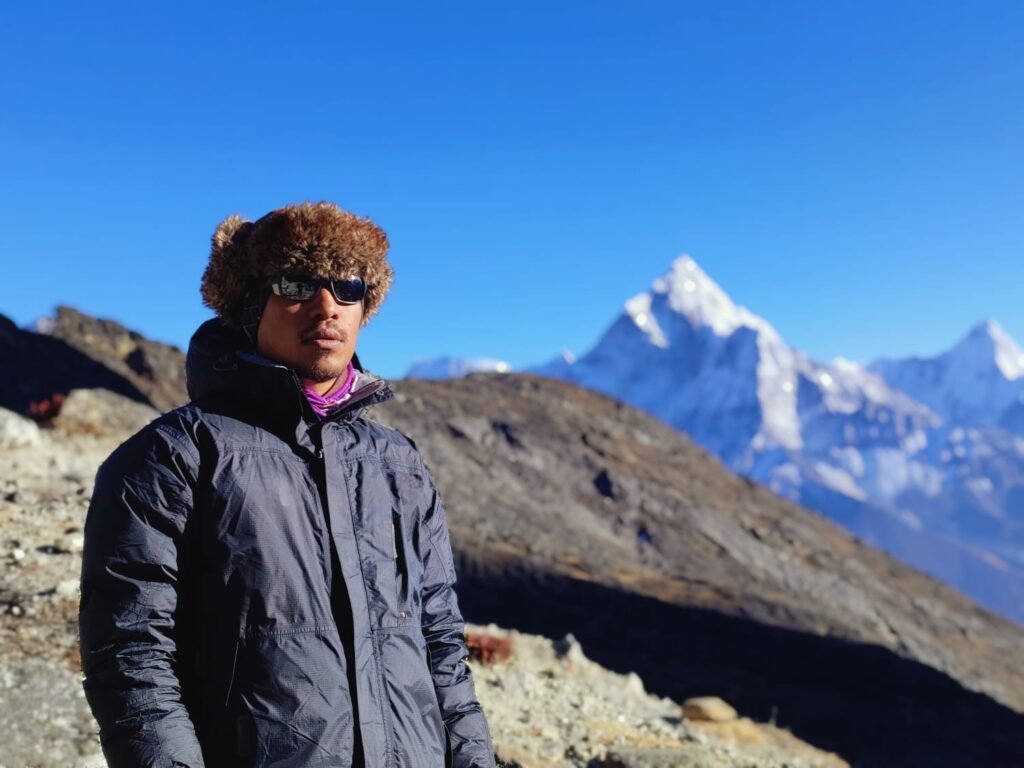


More Than a Person Who Knows the Way
When travellers first consider the Annapurna region, the question of a guide often comes down to navigation, do I need someone to show me the path? The honest answer is that on the popular trails you can usually follow the route yourself, but reducing a guide to a human map misses almost everything a local professional brings. A licensed Annapurna guide is a safety officer, a cultural interpreter, a logistics manager, a language bridge, and a trained first responder rolled into one, and in a remote mountain environment those roles are worth far more than the daily wage. At Annapurna Circuit Treks in Pokhara we have watched guides turn potential disasters into stories and bland walks into journeys, and this article makes the case for why hiring local matters, for you and for the valley.nnThe decision to hire is not only about you, either. Choosing a local, licensed guide puts money directly into the hands of the communities who host you, supports [the local economy](/en/blog/how-trekking-supports-communities), and sustains a profession that keeps the trails safe and cared for. It is one of the most effective responsible-tourism choices a trekker can make, because it is both good for you and good for the place. Whether you walk independently by temperament or prefer the ease of a guided group, understanding what a guide actually does helps you decide with open eyes, and our [guide discussion](/en/blog/do-you-need-a-guide-annapurna) is a good companion to this piece. The short version is that a guide changes the trip in ways you only fully appreciate once you have walked with one.nn## Safety: The Guide as First Responder
The single strongest reason to hire a guide is safety, and in the Annapurna region safety is a daily, practical matter rather than a theoretical one. Licensed guides are trained in wilderness first aid and altitude medicine, and they are the person who recognises the early signs of [altitude sickness](/en/blog/altitude-sickness) in you before you do, who treats a sprain correctly, and who makes the call to descend or evacuate when pride or confusion might lead you astray. On a high pass or a cold ridge, that judgement is the difference between a managed problem and a tragedy. A guide carries the kit, knows the clinics, and above all knows when to act, and in an emergency the presence of a trained professional is the single biggest factor in a good outcome. Our [safety overview](/en/blog/annapurna-trek-safety-tips) stresses exactly this.nnBeyond dramatic emergencies, guides manage the small daily risks that accumulate, they pace the group to aid [acclimatisation](/en/blog/acclimatisation-tips), they read weather and turn the group back before a pass turns ugly, and they keep tired trekkers from the careless step that becomes a fall. Independent trekkers rely on their own judgement alone, which is fine until it isn’t, and the mountains do not forgive overconfidence. The guide is your safety net made of local knowledge and training, and for most people, especially first-timers, older trekkers, and anyone crossing high passes, that net is worth far more than its cost. Hiring a guide is not admitting weakness; it is buying the margin that keeps the adventure an adventure.nn## Navigation and the Trap of False Trails
It is true that the main Annapurna trails are well marked, but anyone who has stood at a foggy junction with two seeming paths and no sign knows that navigation is not always trivial. Trails branch to villages, shortcuts cut across, and in snow or low cloud the obvious route vanishes. A local guide knows these junctions by heart and, just as importantly, knows the unmarked variations that save hours or reveal a view. They also know when a route is closed by landslide or snow and can reroute on the spot, something a downloaded map cannot do. The confidence of simply following someone who knows exactly where they are going frees your mind to enjoy the walk instead of worrying about whether you turned correctly an hour ago.nnThere is also the matter of night, fatigue, and weather, the moments when navigation mistakes happen. A guide keeps the group on the right line when you are tired, cold, and tempted to take the seemingly shorter fork that leads nowhere. On treks like the [circuit](/en/blog/the-complete-guide-to-annapurna-circuit-trek) or the approach to [Thorong La](/en/blog/thorong-la-passes), where a wrong turn can mean a long, cold detour, that certainty is precious. Even on popular routes, a guide’s knowledge of the best lodges, the quiet alternatives to crowded paths, and the timing that beats the weather is a form of navigation richer than any GPS. You can walk without one, but you walk with more ease and certainty with one, and ease is its own kind of safety.nn## Culture and Language: The Invisible Door
The Annapurna region is home to Gurung, Magar, Thakali, and Tibetan-influenced communities whose cultures are the soul of the trek, yet that culture is largely invisible to a traveller who cannot speak the language or read the signs. A local guide opens the invisible door: they translate greetings, explain the meaning of a mani wall or a gompa, introduce you to villagers, and interpret the rituals you witness, turning passing sights into understanding. Without that bridge you walk through a living culture as a silent observer; with it you become a guest. Our writing on [local culture](/en/blog/annapurna-culture) and [monasteries](/en/blog/annapurna-monasteries) only scratches the surface of what a guide conveys in person, and the difference between a pretty village and a meaningful encounter is often the guide standing beside you.nnLanguage is also pure practicality. Ordering food, arranging a room, understanding a lodge owner’s warning about tomorrow’s weather, none of it works without Nepali or the local dialect, and a guide handles all of it so you are never stranded by a language wall. They negotiate on your behalf, explain your needs, and catch the nuances, a closed pass, a full lodge, a sick child in the next room, that you would miss. For many trekkers the human connection a guide brokers, the conversation with a herder, the blessing at a monastery, is the most treasured memory of the trip, and it is a connection that simply does not happen alone. The guide is the key to the culture, and culture is half the point of being here.nn## Logistics Handled, Stress Removed
A guided trek removes the hundred small frictions that, alone, add up to real stress: the early transport, the permit desk, the lodge that is full, the hot water that ran out, the route that got rerouted by weather. A guide and the operator behind them handle permits, transport, bookings, and the constant micro-decisions of a moving trip, so your mind stays on the mountains rather than the mechanics. At Annapurna Circuit Treks we pre-arrange the [permits](/en/blog/annapurna-circuit-permits), the vehicles, and the community lodges, and the guide on the ground keeps it all running, dealing with problems before you even know they existed. For trekkers on limited leave, this smoothness is the difference between a relaxing holiday and a part-time job of logistics.nnThe value shows most when something goes off-plan, a landslide blocks the road, a flight is cancelled, a lodge burns down, because the guide and the Pokhara base swing into action while you wait by the stove. Independent travellers face those moments alone, scrambling for solutions in a language they don’t speak. A guide also manages the porters, the bags, and the daily timing, so you walk light and arrive knowing your room is ready. Our [guided versus private](/en/blog/group-vs-private-annapurna-treks) comparison covers the cost trade-off, but the logistics dividend alone justifies hiring for most people, and it is the reason many independent-minded trekkers still choose a guide once they have experienced a trip run for them.nn## Local Knowledge: The Viewpoints and the Quiet Spots
A guide’s local knowledge is a kind of magic that no guidebook captures, because it is specific, current, and personal. They know which lodge has the clearest window onto the peaks, which ridge gives the best sunrise when the famous one is crowded, where the monal pheasant nests, and which teahouse makes the best apple pie in Marpha. They know the rhythm of the valleys, when the wind rises in the Kali Gandaki, when the clouds clear at base camp, and they time your days to those truths. This knowledge turns a generic trek into a tailored one, rich with small, perfect moments you would never find alone. Our [viewpoint guide](/en/blog/best-sunrise-viewpoints-annapurna) lists some, but a guide knows them live, adjusted for today’s weather and tonight’s lodge.nnThat local intelligence also protects you from the tourist traps and the crowded cliches, steering you to the quiet overlook or the family lodge instead of the busy default. It means you see the Annapurna the way a local sees it, not the way a brochure insists. For photographers, birders, and culture seekers alike, a guide who knows the micro-geography is worth more than any upgrade, and it is why we at Annapurna Circuit Treks invest in guides who actually live in and know these valleys. Hiring local is, quite literally, buying access to a lifetime of place-knowledge, and that knowledge is the quiet engine of a great trek.nn## Supporting the Local Economy Directly
Hiring a local guide is among the most direct ways a trekker can support the Annapurna region, because your fee goes straight to a trained professional from the area rather than leaking to an overseas intermediary. Guides are often from the very villages you walk through, and their income supports families, schools, and the local economy in a way that independent trekking, with its international bookings and imported gear, does not. This is responsible tourism in its purest form, and it sits at the heart of [how trekking supports communities](/en/blog/how-trekking-supports-communities). When you choose a Pokhara-based operator using licensed local guides, you close the loop: the valley that hosts you is paid by you, and the profession that keeps the trails safe is sustained.nnThere is a dignity to this exchange that matters. A guide is not a servant but a skilled professional sharing their home, and fair wages let them support their own community and reinvest in it. Annapurna Circuit Treks pays guides properly and treats porters fairly, because an exploited guide cannot give you the warm, confident service that makes a trip sing. By hiring local you also help keep young people in the region with meaningful work, reducing the drain of talent to the cities. The choice to hire is therefore never just personal convenience; it is a small act of economic justice that strengthens the place you came to enjoy, and it costs you nothing extra while returning a great deal.nn## Licensed Versus Informal: Why It Matters
Not every person offering to guide is a licensed, trained professional, and the difference matters more than the price gap suggests. A licensed guide holds a government certificate, has completed training in first aid and mountain safety, speaks functional English and Nepali, and is accountable to an operator and a system. An informal, unlicensed companion may be a lovely person and a fine walker, but they likely lack the medical training, the insurance backing, and the authority that protect you in a crisis. In an emergency the licensed guide’s certification is what unlocks rescue coordination, insurance coverage, and clinic trust, while the informal one may simply be out of their depth. Our [guide guide](/en/blog/do-you-need-a-guide-annapurna) explains how to verify credentials before you commit.nnThis is not snobbery; it is safety. The cheap informal hire can become expensive the moment something goes wrong and no one is trained to respond or covered to evacuate. Annapurna Circuit Treks uses only licensed guides precisely so that the safety net is real, not symbolic, and so your insurance and rescue chain function as they should. When you hire, ask to see the licence, confirm the operator is registered, and understand what is included. Paying for a licensed professional is paying for the training, the accountability, and the backing that an informal arrangement cannot provide, and in the mountains that backing is often what stands between a bad day and a catastrophe. Choose licensed, every time.nn## Guides for Different Kinds of Trekker
The value of a guide shifts with who you are, and it is worth being honest about your own profile. First-timers gain confidence and safety they cannot provide alone, and our [beginner guidance](/en/blog/can-beginners-trek-annapurna-circuit) strongly favours guided treks. Older trekkers get a pacing partner and a safety presence that makes ambitious routes possible, as our [older trekker advice](/en/blog/senior-friendly-annapurna-treks) notes. Families benefit from the logistical calm and the cultural bridging for kids, covered in [family trekking](/en/blog/annapurna-with-kids-family-trek). Solo trekkers, especially women, gain both safety and company, a theme we explore in [solo safety](/en/blog/solo-trekking-annapurna-safety) and in our piece on @@women-only-trekking-groups-nepal@@[women-only groups]. Even seasoned trekkers use guides for language, logistics, and local knowledge on routes they have not walked. There is effectively no profile for whom a guide is wasted.nnSome experienced trekkers resist guides on principle, valuing independence, and that is a legitimate choice on well-trodden, lower routes, but even they often hire for high passes or winter, when the margin for error thins. The point is that hiring is not a marker of inexperience; it is a tool you pick up when the trip benefits, and most Annapurna trips benefit. Annapurna Circuit Treks matches guides to groups, a patient guide for families, a strong walker for fit groups, a culture specialist for the curious, because the right guide amplifies the right trekker. Tell us who you are and we will pair you with the professional who makes your version of the trip sing.nn## Porters, Guides and Fair Treatment
A guide often works alongside porters, and how those porters are treated is a measure of an operator’s ethics, so it belongs in any guide-hiring decision. Fair wages, proper gear, and weight limits that protect porters’ health are not extras; they are the baseline of responsible trekking, and they are written into the codes that licensed operators follow. A good guide looks after their porter team, ensures they are fed, insured, and not overloaded, and a reputable Pokhara operator audits this. When you hire through Annapurna Circuit Treks you are hiring a whole ethic, not just a person, because we treat the carrying team as professionals whose wellbeing is part of the trip’s success. Treating porters well is also simply how you want your own journey to feel, humane and just.nnThe guide is the link between you and the porters, translating, managing loads, and setting the tone, so a respectful guide sets a respectful trip. Ask your operator about porter welfare before you book, because the answer tells you who you are dealing with. Our commitment to [responsible tourism](/en/blog/responsible-tourism-annapurna) includes fair porter practice as a non-negotiable, and it is one reason to choose a rooted local company over an anonymous online deal. Hiring a guide therefore pulls you into a wider web of fair treatment, and your choice supports not just one professional but the dignity of the whole carrying culture that makes Annapurna trekking possible. That is a quiet, real good you do by hiring well.nn## When You Might Trek Without One
To be fair, there are contexts where trekking without a guide is reasonable, and honesty requires stating them. On the busy, lower routes, the short walks around Pokhara, the Poon Hill trek in good season, the Australian Camp day, navigation is easy, lodges are frequent, and risk is low, so a confident, prepared walker can go alone. If you speak some Nepali, carry proper insurance, know altitude basics, and leave your plan with an operator, independent trekking on these routes is legitimate and many do it well. Our [season guidance](/en/blog/best-time-to-trek-annapurna) and [safety tips](/en/blog/annapurna-trek-safety-tips) help you prepare. The line is drawn by altitude, remoteness, and your own experience: the higher and more remote, the more a guide earns their place.nnEven then, registering your route with a Pokhara operator gives you a safety backstop without a constant companion, and that is a compromise many experienced trekkers take. The key is informed choice, not dogma, and knowing exactly what you give up by going alone, the language bridge, the cultural depth, the safety net, the logistics ease, so you can decide if you are equipped to provide those yourself. Annapurna Circuit Treks supports independent trekkers with advice and registration too, because our interest is your safety and the valley’s wellbeing, not just our own bookings. Hire or not, do it with eyes open, and the Annapurna will meet you accordingly.nn## How to Hire the Right Guide
Hiring well starts before you arrive, and a few steps protect you. Book through a registered Pokhara operator like Annapurna Circuit Treks, ask to see the guide’s licence, confirm what is included, permits, transport, insurance, lodging, and be clear about your fitness, your aims, and any health notes so the guide can plan for you. Match the guide to the trip: a culture-focused walk wants a talkative local; a fast circuit wants a strong walker; a family wants patience. Agree the daily rhythm and the contingency plan, what happens if someone is sick or weather closes a pass, before you set off. A good operator briefs both sides so expectations align, and that alignment is what makes the partnership smooth from the first step out of Pokhara.nnOn the trail, treat your guide as a collaborator, not a subordinate, share how you feel each day, ask questions, and let them lead on safety calls, because that is the deal you paid for. Tip fairly at the end for good work, because it is meaningful income and recognition. Our [guided options](/en/blog/group-vs-private-annapurna-treks) explain the structures, from private guide to group leader, so you can pick what fits your budget and style. Hiring the right guide is a small act of care for your own trip, and done well it converts a good walk into a great one. The Annapurna is generous to those who come prepared and accompanied by someone who knows it as home.nn## The Guide as the Heart of the Trip
If you ask seasoned trekkers what they remember, they rarely say the map or the mileage; they say the people, and chief among them is often the guide. A good guide becomes the thread of the trip, the steady presence at dawn, the translator at the monastery, the calm voice in the storm, the storyteller at dinner. They carry the plan so you can carry the experience, and over days a genuine bond forms that outlasts the trek. This human element is the part no app, no book, no solo walk can replicate, and it is the quiet reason hiring local matters most of all. The mountains are the stage, but the guide is often the heart of the story you bring home from the Annapurna.nnAt Annapurna Circuit Treks, Anish Maharjan and the team choose guides not just for fitness and certificates but for character, because we know the person shapes the memory. When you hire local, you are not buying a service so much as inviting a knowledgeable friend from the valley to walk with you, and that invitation changes everything about how the region opens to you. Whether you come for the peaks, the culture, or the challenge, a licensed local guide is the single best investment you can make in the quality, safety, and meaning of your Annapurna trek, and it is the choice we most strongly urge on every traveller we meet.nn## Hire Your Local Guide With Us
Hiring a licensed local guide is the smartest, kindest, and safest choice you can make for an Annapurna trek, and it is exactly what Annapurna Circuit Treks is built to provide. From our Pokhara base, Anish Maharjan and the team match you with a trained, licensed guide who knows these valleys as home, handle every permit and logistic, and pace the trip for your safety and joy. Your fee supports a local professional and the community that hosts you, so the choice helps you and the valley at once, the purest form of responsible travel.nnTell us your route, your dates, and your trekker profile, a first-timer, a family, a fit group, a solo woman, and we will pair you with the guide who makes your trip sing. Whether you want a private guide, a small group, or simply registration and advice for an independent walk, we are here. Hire your Annapurna guide with Annapurna Circuit Treks, and walk the Himalaya accompanied by someone who knows every stone, every story, and every step of the way.
Plan Your Annapurna Adventure
Annapurna Circuit Treks is a Pokhara-based operator run by Anish Maharjan, specialising in the Annapurna region. Every trip uses licensed guides, community lodges and a paced plan that puts safety and the local valley first. Tell us your dates, your fitness and the experience you want, and we return a trip built around you. Contact us and let’s plan the Annapurna that fits.
*Related reading: see our [Pillar Guide to the Annapurna Circuit](/en/blog/the-complete-guide-to-annapurna-circuit-trek), the [best day hikes around Pokhara](/en/blog/best-day-hikes-around-pokhara), and [how trekking supports communities](/en/blog/how-trekking-supports-communities).*