
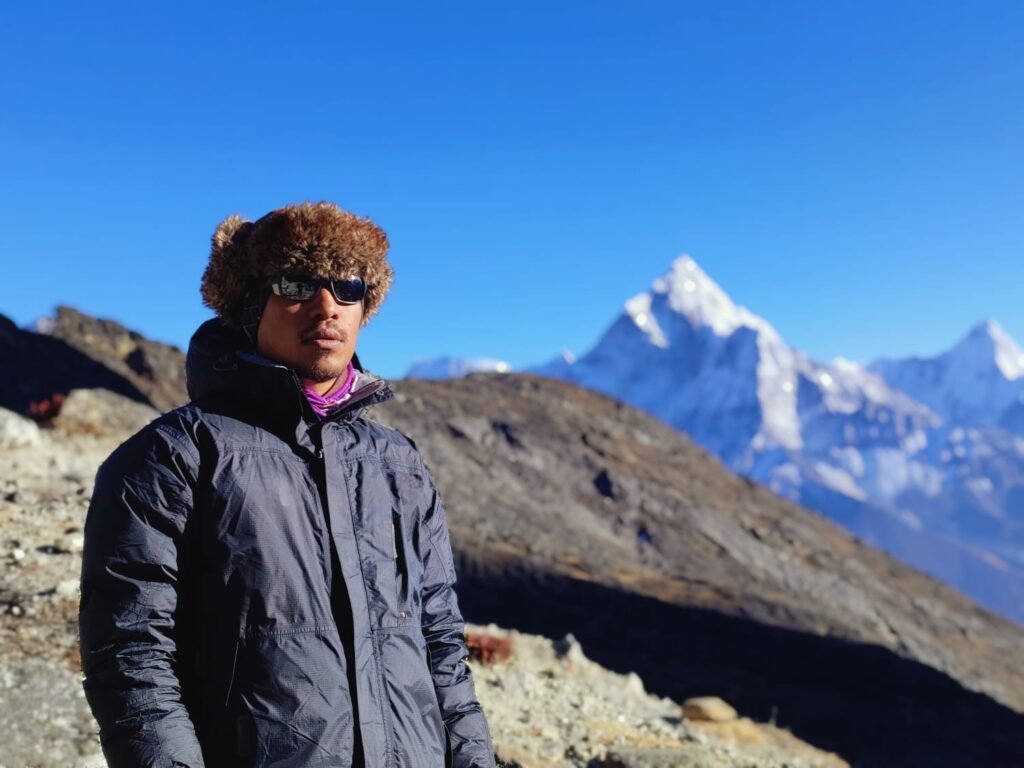


The Khopra Ridge Trek at a Glance
The Khopra Ridge trek is one of the Annapurnas’ finest off-the-beaten-path journeys, a route that climbs from the busy Ghorepani area to a silent, sacred ridge at around 3,660 metres with enormous views of Dhaulagiri and the Annapurna range, and continues to the holy Khayer Lake at roughly 4,500 metres. Usually walked in six to nine days, Khopra combines the famous Poon Hill start with a quieter, community-driven trail that few trekkers explore, offering both a celebrated sunrise and a genuine wilderness feel. Annapurna Circuit Treks runs Khopra with licensed guides and a strong community-lodge ethos, because this route was built by local initiatives to spread tourism beyond the crowded main paths. For trekkers wanting the drama of the big peaks without the footfall of the Sanctuary, Khopra is the answer, a journey that feels both classic and pioneering from the first viewpoint to the high lake shore.## Why Khopra Ridge Stands Apart
Khopra Ridge stands apart because it was designed by and for the local communities, a trek that channels visitor spending into the villages of the upper Kali Gandaki rather than the established hubs, and that purpose gives it a distinctive, welcoming character. The ridge itself delivers a panorama to rival any in the region, with Dhaulagiri’s vast south face and the Annapurna wall laid out below, while the side trip to Khayer Lake adds a sacred, high-alpine climax few routes can match. Annapurna Circuit Treks loves Khopra for trekkers who have done Poon Hill and want more, or for [beginner trekkers](/en/blog/can-beginners-trek-annapurna-circuit) ready for a longer, quieter walk. The blend of the famous viewpoint start and the solitary ridge, plus the strong [responsible tourism](/en/blog/responsible-tourism-annapurna) story, explains why Khopra has become the thoughtful trekker’s choice across the Annapurnas in recent years, a route with a conscience as well as a view.## The Standard Itinerary
A typical Khopra plan begins like the Poon Hill walk, driving from Pokhara to Nayapul and climbing to Ghorepani, then diverges onto the quieter trail toward Khopra Ridge over two to three further days through forest and high pasture. From the ridge top, most [itinerary](/en/blog/annapurna-circuit-itinerary) versions push on to Khayer Lake as a demanding day trip or overnight, before descending via Swanta or a different village to complete the loop. Annapurna Circuit Treks can extend the trek with a visit to the sacred lake and extra rest days, or shorten it by skipping Poon Hill for those who have already climbed it. The route’s flexibility is one of its strengths, a journey that can be six days or nine depending on your appetite and the season. We match the plan to your fitness and interests, ensuring the ridge and the lake are enjoyed at a pace that respects both the altitude and the landscape.## Community Lodges and Local Life
What sets Khopra apart on the ground is its network of community lodges, simple teahouses run by local cooperatives that pour income directly into the villages rather than outside operators, and that model shapes the entire experience. Staying in these lodges means your bed and your dal bhat support a family and a school, a tangible form of [responsible tourism](/en/blog/responsible-tourism-annapurna) that trekkers feel rather than read about. Annapurna Circuit Treks prioritises these community teahouses and [comfortable teahouses](/en/blog/comfortable-teahouse-annapurna) where available, and our guides introduce you to the [culture](/en/blog/annapurna-culture) and daily life of the people you meet. The [villages](/en/blog/gurung-magar-villages-annapurna) along the route, Swanta, Dhan Kharka and the ridge settlement itself, are unhurried and genuine, free of the shopfront bustle of the main trails. Trekking Khopra is as much about this human exchange as the view, and the warmth of the host communities is consistently what our clients remember most fondly.## Best Seasons
Khopra shares the regional climate, and the [best time to trek](/en/blog/best-time-to-trek-annapurna) is autumn, from late September to November, when stable [weather](/en/blog/annapurna-weather) and clear air give the ridge and the lake their finest conditions. [Spring trekking](/en/blog/spring-in-annapurna-rhododendrons), March to May, brings rhododendrons into bloom along the forest sections and warm lower days, though the high lake can still be frozen and cold. Winter is quiet and snowy, sometimes blocking the Khayer Lake route, while the summer monsoon greens the hills but clouds the peaks and brings leeches below. Annapurna Circuit Treks helps you choose, and because Khopra can be done a little lower by skipping the lake, we often find a workable window even in the shoulder months if you dress for cold. Picking the season well is the difference between a crisp panorama and a whiteout, so we plan Khopra around the skies as much as the calendar.## Permits
Khopra Ridge lies inside the Annapurna Conservation Area, so trekkers need an ACAP permit and, for foreign nationals, a TIMS card, and Annapurna Circuit Treks arranges both in Pokhara before you depart. The [trekking permits](/en/blog/annapurna-circuit-permits) are checked at conservation entry points, including around Ghorepani and the upper trail, so carry them throughout. Fees fund the [conservation area](/en/blog/annapurna-conservation-area), supporting trail work and the community lodge initiatives that make this route special, a quiet act of [responsible tourism](/en/blog/responsible-tourism-annapurna) with every purchase. Our team handles the paperwork so you walk unburdened by admin, and we brief clients on the [single-use plastic](/en/blog/reducing-plastic-annapurna-trail) rules and lodge waste guidance. Permits for Khopra are quick and inexpensive, and having them sorted in advance lets you focus on the ridge and the lake rather than the checkpoint, which is exactly how a smooth, community-centred trek should begin and unfold.## Difficulty and Who It Suits
Khopra is graded moderate, longer and a little wilder than Poon Hill but gentler than the [Thorong La](/en/blog/thorong-la-passes) crossing, making it a fine next step for fit [beginner trekkers](/en/blog/can-beginners-trek-annapurna-circuit) and a rewarding standalone for [families](/en/blog/annapurna-with-kids-family-trek) with older children. The main demands are the daily distances and the Khayer Lake day, which climbs high and tests the legs, though the trail is not technically difficult. [Senior trekkers](/en/blog/senior-friendly-annapurna-treks) who prepare well also complete Khopra with our support, and the community lodges mean short, warm retreats each evening. Annapurna Circuit Treks scales the [itinerary](/en/blog/annapurna-circuit-itinerary) to the group, adding rest days and using porters so the ridge and lake are enjoyed rather than endured. Because the ridge sits around 3,660 metres and the lake near 4,500, some [acclimatisation](/en/blog/acclimatisation-tips) awareness helps, but the paced profile lets most trekkers adjust comfortably with sensible hydration and a relaxed daily rhythm.## Packing for Khopra
A thoughtful [packing list](/en/blog/annapurna-packing-list) for Khopra covers warm layers and solid rain protection, because the trek moves from humid forest to cold, exposed ridge and a high lake within days. A wicking base, fleece, down jacket and waterproof shell handle the range, while broken-in boots and trekking poles steady the climbs and the lake descent. A sleeping bag rated near freezing, headtorch, sunscreen and sunglasses are essentials at altitude, and a refillable bottle with treatment cuts [single-use plastic](/en/blog/reducing-plastic-annapurna-trail). Annapurna Circuit Treks sends a season-specific kit list and helps clients rent quality gear in Pokhara, so you need not travel heavy. Packing light matters, since porters carry your main load but you shoulder a day pack with water, layers and camera on the ridge and lake days. A well-prepared pack turns a cold, high day into a manageable and memorable one, and our guides gladly review your gear before the first step toward Ghorepani.## Food and Lodges
The Khopra lodge network is community-run and intentionally small, and that intimacy is the route’s signature, with the [food on the trail](/en/blog/annapurna-food) hearty and home-cooked in family teahouses that double as the engine of local income. Dal bhat, noodles, soups and potato dishes appear on the menus, and while choices are simpler than on the busy Sanctuary trail, the cooking is warming and the welcome warmer. Annapurna Circuit Treks favours these [comfortable teahouses](/en/blog/comfortable-teahouse-annapurna) and pre-books the limited ridge and lake-side rooms in peak autumn, because space is genuinely scarce up high. Meals in the small dining rooms, often around a single stove with a few fellow trekkers, are convivial and memorable, a direct taste of the community model. Vegetarian and simple needs are met, and our guides help you choose cooked meals that keep energy steady. Eating well at altitude is part of trekking smart, and Khopra’s modest lodges deliver exactly that, with a personal, purposeful touch.## Khopra Versus Mardi Himal
Against the [Mardi Himal](/en/blog/mardi-himal-trek) ridge, Khopra is the lower, more community-focused option with the sacred Khayer Lake as its climax, while Mardi offers a higher, more exposed ridge with closer Machapuchhre views. Both are quieter alternatives to the classic routes and both sit in the central Annapurna band, so the choice often comes down to the reward you seek. Annapurna Circuit Treks runs both and helps you decide: Khopra for cultural depth, community lodges and the lake pilgrimage, Mardi for the exhilarating ridge and fishtail proximity. Khopra is generally a little longer and more forested in its approach, Mardi a touch higher and more dramatic on the top. Either delivers the solitude the busy Sanctuary sometimes lacks, and many clients, having walked one, return for the other, because together they map the quieter, wilder face of the Annapurnas that independent-minded trekkers increasingly seek out and treasure.## Khopra Versus Poon Hill
Compared with the Ghorepani Poon Hill walk, Khopra begins on the same famous trail but then leaves the crowds behind for a solitary ridge and a high lake, trading the busy viewpoint for a deeper, quieter journey. Poon Hill at 3,210 metres is the gentler, more developed option ideal for [beginner trekkers](/en/blog/can-beginners-trek-annapurna-circuit) and tight schedules, while Khopra climbs higher and asks more days and a little more fitness. Annapurna Circuit Treks often combines the two, using Poon Hill as the opening act before the ridge, so trekkers enjoy the classic sunrise and then the wilderness beyond it. Both feature among the [best sunrise viewpoints](/en/blog/best-sunrise-viewpoints-annapurna) of the region, and both start from Pokhara within a short drive. The choice is about depth as much as difficulty: Poon Hill is a brilliant short taste, Khopra is the fuller, community-centred expedition that builds naturally on that first famous dawn.## Photography and the Khayer Lake
Khopra is a [photography](/en/blog/annapurna-photography-tips) treasure, from the broad Dhaulagiri panorama off the ridge to the otherworldly setting of Khayer Lake, a turquoise pool beneath a wall of snow at around 4,500 metres. The best light comes in the soft hours after dawn and before dusk, when the peaks glow and the lake mirrors them, and Annapurna Circuit Treks times the lake visit to catch these windows. Batteries drain in the cold, so carry spares warmed in an inside pocket, a small habit with a big payoff. The forest and pasture sections offer greener, gentler frames of rhododendron and grazing yak, a counterpoint to the alpine drama. Whether you shoot on a phone or a camera, Khopra hands you images that explain, better than words, why this route has become a quiet favourite. Patience with [weather](/en/blog/annapurna-weather) is key, because the lake reveals its full beauty only when the cloud lifts and the mountains stand clear above the water.## How Trekking Supports Communities
Khopra is the clearest example in the Annapurnas of [how trekking supports communities](/en/blog/how-trekking-supports-communities), because the entire route was conceived by local cooperatives to bring income to villages bypassed by the main trails. Staying in community lodges, hiring local guides and buying from village kitchens means your trek directly funds schools, health posts and household livelihoods in the upper Kali Gandaki. Annapurna Circuit Treks builds this ethos into every Khopra trip, ensuring the benefits flow to the people whose land you walk. Our clients consistently say that meeting the families behind the lodges, and seeing the tangible result of their visit, is among the most meaningful parts of the journey. Trekking here is a genuine partnership with the valley, a model of [responsible tourism](/en/blog/responsible-tourism-annapurna) that proves travel can be a force for local good rather than merely a personal adventure, leaving both visitor and host better for the exchange.## Understanding the Cost
Khopra is reasonably priced, and the [trek cost](/en/blog/annapurna-circuit-trek-cost) divides into permits, guide and porter, community-lodge meals and transport from Pokhara to Nayapul. Because the route is close to our base and uses teahouses rather than camping, daily spend stays modest, and the community lodges keep prices fair and local. Annapurna Circuit Treks quotes transparent all-in prices so there are no surprises, and small groups lower the per-person rate. We advise a contingency for hot showers, charging and the Khayer Lake day’s extra effort, because the highest camps have limited facilities. Knowing the true [trek cost](/en/blog/annapurna-circuit-trek-cost) upfront lets you relax into the experience, and Khopra’s affordability, paired with its big views and strong community story, is a major reason it has become a go-to recommendation for trekkers wanting more than the crowded classics but less than a full Circuit commitment and its longer logistics.## Getting There from Pokhara
Pokhara is the natural base for Khopra, and Annapurna Circuit Treks handles every transfer from our home city to the Nayapul trailhead, a scenic drive that showcases Nepal’s varied countryside before the walking begins. We can arrange [4×4 transfers](/en/blog/4×4-overland-annapurna) for comfort on rougher sections, and our briefing, gear check and permit handover all happen in Pokhara before you roll out toward the hills. Spending a night in Pokhara lets you sort last-minute kit and enjoy the Annapurna views over Phewa Lake, a relaxed pre-trek ritual. From the trailhead the walk to Ghorepani and the ridge unfolds over the coming days, and we manage all the logistics so you simply walk. Beginning in Pokhara rather than Kathmandu saves time and altitude confusion, letting you start walking sooner and fresher, which is exactly how we like to send our Khopra trekkers into the quieter corners of the massif.## Final Thoughts
The Khopra Ridge trek offers the Annapurnas at their most thoughtful, a journey that pairs a celebrated sunrise with a solitary ridge, a sacred high lake and a community model that turns tourism into genuine local good. From the familiar climb to Ghorepani to the quiet drama of Khayer Lake, the route balances effort, reward and purpose better than almost any alternative in the region. Annapurna Circuit Treks is proud to guide Khopra from Pokhara, with licensed leaders, community lodges and a safety-first approach that lets you savour the ridge rather than rush it. Whether you are a [beginner](/en/blog/can-beginners-trek-annapurna-circuit) ready for a longer walk or a seasoned trekker after solitude, Khopra meets you with generosity and meaning. Plan a week, pack for the cold and let the [itinerary](/en/blog/annapurna-circuit-itinerary) unfold; the mountains and the communities will do the rest, and you will leave with stories and connections that linger long after the trek ends.
Plan Your Annapurna Adventure
Annapurna Circuit Treks is a Pokhara-based operator run by Anish Maharjan, specialising in the Annapurna region. Every trip uses licensed guides, community lodges and a paced plan that puts safety and the local valley first. Tell us your dates, your fitness and the experience you want, and we return a trip built around you. Contact us and let’s plan the Annapurna that fits.
*Related reading: see our [Pillar Guide to the Annapurna Circuit](/en/blog/the-complete-guide-to-annapurna-circuit-trek), the [best day hikes around Pokhara](/en/blog/best-day-hikes-around-pokhara), and [how trekking supports communities](/en/blog/how-trekking-supports-communities).*
Related reading: Less Crowded, More Rewarding: Alternative Trekking Routes in the Annapurna Region | Is Annapurna Trek Safe? Complete Annapurna Trek Safety Guide for First-Time & Experienced Trekkers | Annapurna Base Camp Trek Experience: A Journey to the Heart of the Himalayas | Monsoon in Annapurna: Rain, Leeches and Quiet Trails