


Physical Preparation Before You Fly
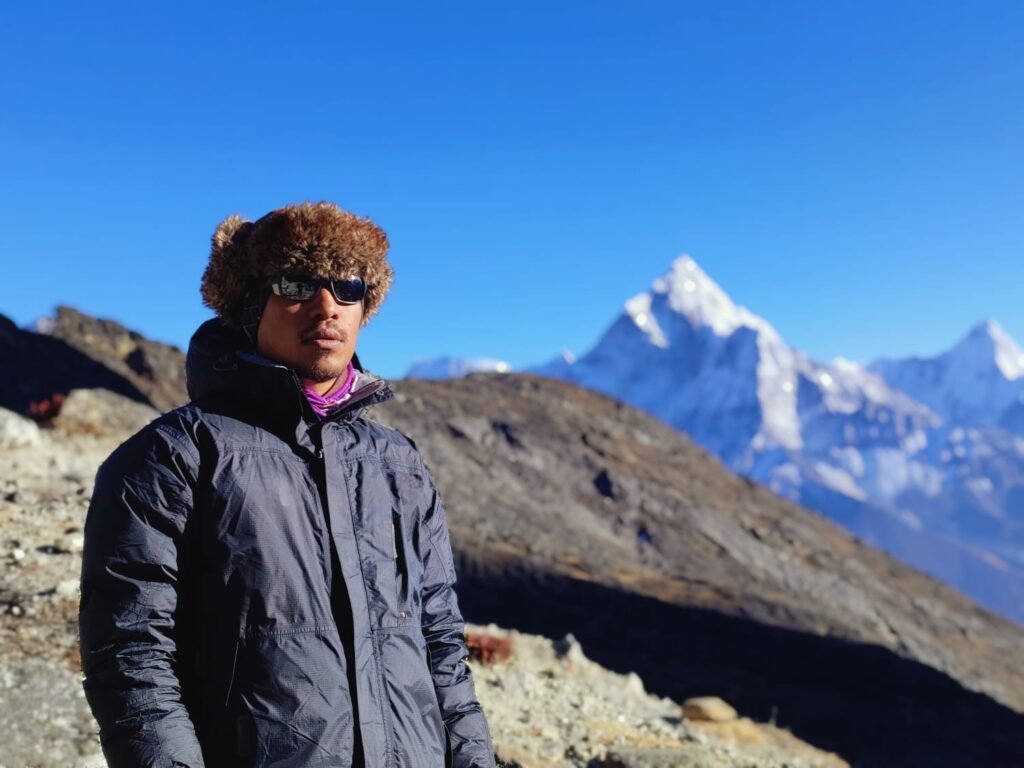
However you plan, a little training transforms a Nepal trek from ordeal to enjoyment, and 2026 trekkers who arrive fit enjoy the mountains far more than those who arrive hopeful. Annapurna Circuit Treks advises building weekly hill walks and long days on your feet into the two months before departure, because the biggest shock is simply the daily mileage and the stairs, not the altitude alone. Strengthening legs, knees and core, plus day hikes with a loaded pack, prepares the body for the [Annapurna Circuit](/en/blog/the-complete-guide-to-annapurna-circuit-trek) pass or the Sanctuary’s stone steps. [Beginner trekkers](/en/blog/can-beginners-trek-annapurna-circuit) especially benefit, and even [senior trekkers](/en/blog/senior-friendly-annapurna-treks) find paced training worthwhile. Good boots broken in over several walks prevent blisters, the most common trail complaint. Preparation is the cheapest insurance there is, and a trekker who trains smiles on the ridges where an untrained one merely survives, which is why we flag fitness as the first line of any complete 2026 trekking plan worth the name.## Your Complete Nepal Trekking Picture for 2026
Nepal in 2026 remains the trekking capital of the world, and planning a first or return journey to the Himalaya begins with understanding the country’s regions, seasons and systems before you book a single night. This complete guide covers the essentials every trekker needs, from choosing a region and obtaining [trekking permits](/en/blog/annapurna-circuit-permits) to timing your walk, packing smart and travelling responsibly. Annapurna Circuit Treks, based in Pokhara, specialises in the Annapurna region and offers the local expertise that turns a daunting plan into a confident one. Whether you dream of the [Annapurna Circuit](/en/blog/the-complete-guide-to-annapurna-circuit-trek), a short Poon Hill sunrise or a luxury lakeside retreat, the fundamentals are the same, and getting them right is what separates a trip of a lifetime from a trip of small regrets. The 2026 trekker benefits from better roads, clearer permit systems and a mature teahouse culture, but also faces higher costs and busier trails, so informed planning has never mattered more than it does this year.## Nepal’s Trekking Regions at a Glance
The country offers several distinct regions, and knowing them is the first planning step for any 2026 trekker weighing where to spend their leave. The Annapurna region around Pokhara is the most popular, with the widest range of treks from two days to three weeks and the easiest access. Everest, in the east, centres on the Khumbu and the Lukla flight, offering one legendary peak at higher cost. Langtang, north of Kathmandu, is closer and quieter but smaller since the 2015 earthquake. Manaslu, restricted and remote, demands a special permit and group. Annapurna Circuit Treks focuses on Annapurna precisely because it serves the broadest range of walkers, from [beginner trekkers](/en/blog/can-beginners-trek-annapurna-circuit) to [senior trekkers](/en/blog/senior-friendly-annapurna-treks), with unmatched infrastructure. The [Circuit versus Everest](/en/blog/annapurna-circuit-vs-everest-base-camp) and [Circuit versus Manaslu](/en/blog/annapurna-circuit-vs-manaslu) comparisons help narrow the field, but for most visitors Annapurna’s variety and access make it the natural, rewarding default choice in 2026.## Permits and the Paperwork
Every Nepal trek requires permits, and the system is straightforward once you know it, beginning with the ACAP entry fee for conservation areas and the TIMS card that records your route for safety. Annapurna Circuit Treks handles both for Annapurna clients in Pokhara before departure, removing a common source of stress, and the fees fund the [conservation area](/en/blog/annapurna-conservation-area) rangers and trails you rely on. Restricted regions like Manaslu need additional permits and a minimum group, raising complexity and cost. For 2026 we advise confirming current fees at booking, as they shift with government policy, and carrying both permits at all times because staff check them at multiple points. The paperwork is also a quiet act of [responsible tourism](/en/blog/responsible-tourism-annapurna), paying for the upkeep of the mountains you came to enjoy. Knowing your [trekking permits](/en/blog/annapurna-circuit-permits) inside out means you never face a checkpoint surprise, and that small certainty is worth more than its few-thousand-rupee cost on a multi-week journey.## Choosing the Best Time to Trek
Timing is the single biggest factor in trek quality, and Nepal’s [best time to trek](/en/blog/best-time-to-trek-annapurna) windows are well established for 2026 planners. Autumn, late September to November, is the classic peak, with clear skies, stable [weather](/en/blog/annapurna-weather) and the most reliable conditions, drawing the largest crowds to every trailhead. [Spring trekking](/en/blog/spring-in-annapurna-rhododendrons), March to May, brings rhododendrons into bloom and warm lower trails, a gorgeous second window with slightly hazier distant views. Winter is cold and quiet, with high passes like the [Thorong La](/en/blog/thorong-la-passes) often snowbound, while the summer monsoon brings leeches and cloud but empty lodges and green hills. Annapurna Circuit Treks helps clients weigh these against their leave and appetite for solitude, building flexibility into the [itinerary](/en/blog/annapurna-circuit-itinerary) so a spell of poor weather never ruins the experience. For most, autumn remains the gold standard, but a well-planned spring or even winter lower trek can be magnificent with the right layers.## Acclimatisation and Altitude Safety
Altitude is the greatest natural risk on any Himalayan trek, and [acclimatisation](/en/blog/acclimatisation-tips) deserves a central place in every 2026 plan, whatever region you choose. The golden rule is climb high and sleep low, adding rest days whenever your body asks, and recognising the early signs of [altitude sickness](/en/blog/altitude-sickness), headache, poor appetite, breathlessness at rest, lets you act before it becomes serious. Annapurna Circuit Treks trains every guide in altitude response and carries supplemental oxygen and evacuation protocols on high routes, because [safety](/en/blog/annapurna-trek-safety-tips) is never left to chance. The [Annapurna Circuit](/en/blog/the-complete-guide-to-annapurna-circuit-trek) pass and even Annapurna Base Camp demand respect, and a paced [itinerary](/en/blog/annapurna-circuit-itinerary) with built-in rest is the mark of a well-planned trek. Trekkers who hydrate, pace themselves and listen to their guides almost always succeed; those who rush the heights are the ones who suffer, and the mountains will wait for whoever prepares properly.## Packing Smart for the Himalaya
A smart [packing list](/en/blog/annapurna-packing-list) for Nepal covers two extremes, because you may begin in subtropical warmth and finish near the roof of the world, and 2026 trekkers should plan for both. Layered clothing is essential: a wicking base, an insulating fleece or down, and a waterproof shell that shrugs off wind and rain. Strong broken-in boots, a sleeping bag rated below freezing, sunglasses and high-SPF sunscreen protect against intense high-altitude sun and cold. Trekking poles ease long descents, and a refillable bottle with purification saves money while cutting [single-use plastic](/en/blog/reducing-plastic-annapurna-trail). Annapurna Circuit Treks sends every client a season-specific kit list and helps source quality gear in Pokhara, so you need not fly with bulky bags. Packing light but completely is a skill our guides teach gladly, because a well-packed day pack makes every trail day easier and safer, and the difference between a happy trekker and a miserable one often comes down to the contents of their bag.## Food, Lodges and the Teahouse Life
Nepal’s teahouses define its trekking, and the [food on the trail](/en/blog/annapurna-food) is heartier and more varied than many expect, with dal bhat the energy workhorse joined by noodles, pasta, potato dishes and the famous apple pie of the upper villages. Annapurna Circuit Treks favours [comfortable teahouses](/en/blog/comfortable-teahouse-annapurna) with clean rooms, warm dining rooms and reliable cooking, pre-booking where trails get busy in autumn. Eating together in the lodge, sharing stories with other trekkers and the host family, is a highlight in its own right, and the social rhythm is part of the country’s trekking magic. Vegetarians are easily catered for, and guides help you choose safe, cooked meals that keep stomachs steady at altitude. The [tea house versus camping](/en/blog/tea-house-vs-camping-trekking-annapurna) choice favours teahouses for value and ease, and we default there, because a warm lodge and a hot meal after a big day is the oldest, best comfort in the Himalaya and the backbone of the Nepali trekking experience.## Getting There and Getting Around
Logistics in 2026 are easier than ever, and most treks begin with a flight into Kathmandu or directly to Pokhara, then a road transfer to the trailhead that itself showcases Nepal’s varied countryside. Annapurna Circuit Treks arranges [4×4 transfers](/en/blog/4×4-overland-annapurna) for comfort on rougher sections and handles every leg from our Pokhara base, so clients brief and depart in one place. The Everest region still requires the Lukla flight, a thrilling but weather-dependent hop, while Annapurna’s road expansion lets trekkers choose where to start and finish, saving days. Internal flights and jeeps fill fast in autumn, so booking transport early is wise. Understanding the [itinerary](/en/blog/annapurna-circuit-itinerary) flow, where you drive, where you walk, where a flight saves time, prevents the transit stress that can shadow an otherwise beautiful trip, and a clear logistics plan is the quiet foundation of an enjoyable Himalayan trek in any season.## Guided Versus Independent Trekking
The [do you need a guide](/en/blog/do-you-need-a-guide-annapurna) question is now partly answered by law, as Nepal requires guides on many protected routes, but the deeper question is value, and a licensed guide adds far more than compliance. Annapurna Circuit Treks provides guides who handle permits, language, navigation, culture and [altitude sickness](/en/blog/altitude-sickness) response, turning worrying moments into managed ones. Independent trekkers save on wages but carry every risk and task, and [solo trekking safety](/en/blog/solo-trekking-annapurna-safety) is eased enormously by a guided group. The [group versus private](/en/blog/group-vs-private-annapurna-treks) choice affects both cost and intimacy, with small groups halving per-person vehicle and guide expenses. For 2026, a guided trip is often better value once everything is counted, bundling permits, staff, lodges, meals and a safety system into one transparent figure. Good value is the best ratio of experience, safety and peace of mind to price, and a guided Nepal trek consistently wins that ratio for visitors who want the mountains without the metre-by-metre maths.## Responsible and Sustainable Trekking
Trekking responsibly is both a duty and a pleasure in Nepal, and [responsible tourism](/en/blog/responsible-tourism-annapurna) is something Annapurna Circuit Treks practises rather than preaches, using community lodges, hiring local guides and porters, and following [conservation area](/en/blog/annapurna-conservation-area) rules that ban many forms of [single-use plastic](/en/blog/reducing-plastic-annapurna-trail). Carrying out your rubbish, refusing single-use plastic, respecting [monasteries](/en/blog/annapurna-monasteries) and asking before photographing people make a real difference to the valleys you cross. The [how trekking supports communities](/en/blog/how-trekking-supports-communities) story is central: your trip directly helps the villages that host you, funding schools and trails. Spreading visits across the [best time to trek](/en/blog/best-time-to-trek-annapurna) windows and treading lightly on fragile alpine vegetation helps busy regions absorb pressure. The most memorable journeys are the ones that give back as much as they take, and a 2026 trekker who travels with this reciprocity in mind leaves the mountains better than they found them, which is the truest form of Himalayan respect.## Budgeting for a 2026 Trek
The [trek cost](/en/blog/annapurna-circuit-trek-cost) of a Nepal trek in 2026 spreads across permits, guide and porter, lodging and meals, transport and personal items, and budgeting honestly is part of good planning. A teahouse Annapurna trek typically costs a fraction of a camping expedition, and travelling in a small group lowers the per-person rate, while the biggest variable is independent versus full-service operator. Annapurna Circuit Treks quotes all-in prices that remove guesswork, and we flag hidden costs, charging, hot showers, wifi, tips, so nothing blindsides you. A modest contingency for weather delays or an extra night is wise, and travel insurance covering [helicopter evacuation](/en/blog/helicopter-tours-annapurna-massif) is essential rather than optional. Knowing the true cost upfront means you relax and enjoy the mountains instead of counting rupees at every stop, and the 2026 reality is that prices have crept up with Nepal’s cost of living, so planning with current figures rather than old guidebooks keeps your budget honest from start to finish.## Photography and Capturing the Moment
Nepal is endlessly photogenic, and [photography](/en/blog/annapurna-photography-tips) on the trail rewards slowing down, with wide lenses capturing full rings of peaks and patient timing catching light sliding across ice. The [best sunrise viewpoints](/en/blog/best-sunrise-viewpoints-annapurna), from Poon Hill to the Sanctuary walls at dawn, are the headline shots, but the villages, prayer flags and Modi Khola gorges offer compositions that reward attention. Annapurna Circuit Treks encourages shooting in the soft hours after dawn and before dusk, when contrast is kinder, and reminds trekkers that batteries drain fast in the cold, so carry spares kept warm. Whether on a phone or a serious camera, the Himalaya hands you frame after frame that explain, better than any paragraph, why people travel halfway around the world. A 2026 trekker who plans a few dawn alarms and protects their batteries returns with images that carry the trip home long after the boots are stored, and that visual memory is a large part of the journey’s lasting value.## Special Treks: Luxury, Family and More
Nepal in 2026 caters to every kind of traveller, and beyond the classic walks lie specialised options worth knowing, from [luxury](/en/blog/luxury-lodges-annapurna-trail) short treks with private [4×4 transfers](/en/blog/4×4-overland-annapurna) and the best lodges to [family treks](/en/blog/annapurna-with-kids-family-trek), [honeymoon](/en/blog/honeymoon-in-the-himalayas-annapurna) journeys and [senior trekkers](/en/blog/senior-friendly-annapurna-treks) paced itineraries. Annapurna Circuit Treks designs these around comfort and certainty, using the short Annapurna routes like Poon Hill, [Mardi Himal](/en/blog/mardi-himal-trek) and [Khopra Ridge](/en/blog/khopra-ridge-trek) that keep altitude low and lodges close. A [helicopter tour](/en/blog/helicopter-tours-annapurna-massif) can compress a journey into a single spectacular day for the time-poor, while community eco-lodges offer quiet, responsible luxury. The [things to do](/en/blog/things-to-do-in-annapurna) around Pokhara, from lakeside relaxation to the peace of [monasteries](/en/blog/annapurna-monasteries), round out any trip. Whatever your shape of travel, the region’s flexibility means there is a Nepal trek built for you, and 2026’s mature infrastructure makes these specialised journeys more achievable and more comfortable than ever before for visitors of every age and ambition.## Final Thoughts: Plan Well, Trek Happy
A 2026 Nepal trek is the journey of a lifetime made reliable by good planning, and this complete guide has walked you through the regions, [trekking permits](/en/blog/annapurna-circuit-permits), seasons, [acclimatisation](/en/blog/acclimatisation-tips), packing, [trek cost](/en/blog/annapurna-circuit-trek-cost) and responsible travel that turn intention into a confident trip. Annapurna Circuit Treks is proud to guide from Pokhara, with licensed leaders, community lodges and a safety-first ethos that lets you focus on the wonder, whether you choose the [Annapurna Circuit](/en/blog/the-complete-guide-to-annapurna-circuit-trek), Annapurna Base Camp or a short luxury ridge. The Himalaya asks only that you arrive prepared, tread lightly and keep your eyes open, and in return it offers scale, silence and friendship found nowhere else. Plan to your strengths, respect the mountains, and the only remaining task is to begin, because a well-planned Nepal trek in 2026 is one of the safest, richest and most rewarding adventures a traveller can choose anywhere on earth.
Plan Your Annapurna Adventure
Annapurna Circuit Treks is a Pokhara-based operator run by Anish Maharjan, specialising in the Annapurna region. Every trip uses licensed guides, community lodges and a paced plan that puts safety and the local valley first. Tell us your dates, your fitness and the experience you want, and we return a trip built around you. Contact us and let’s plan the Annapurna that fits.
*Related reading: see our [Pillar Guide to the Annapurna Circuit](/en/blog/the-complete-guide-to-annapurna-circuit-trek), the [best day hikes around Pokhara](/en/blog/best-day-hikes-around-pokhara), and [how trekking supports communities](/en/blog/how-trekking-supports-communities).*