
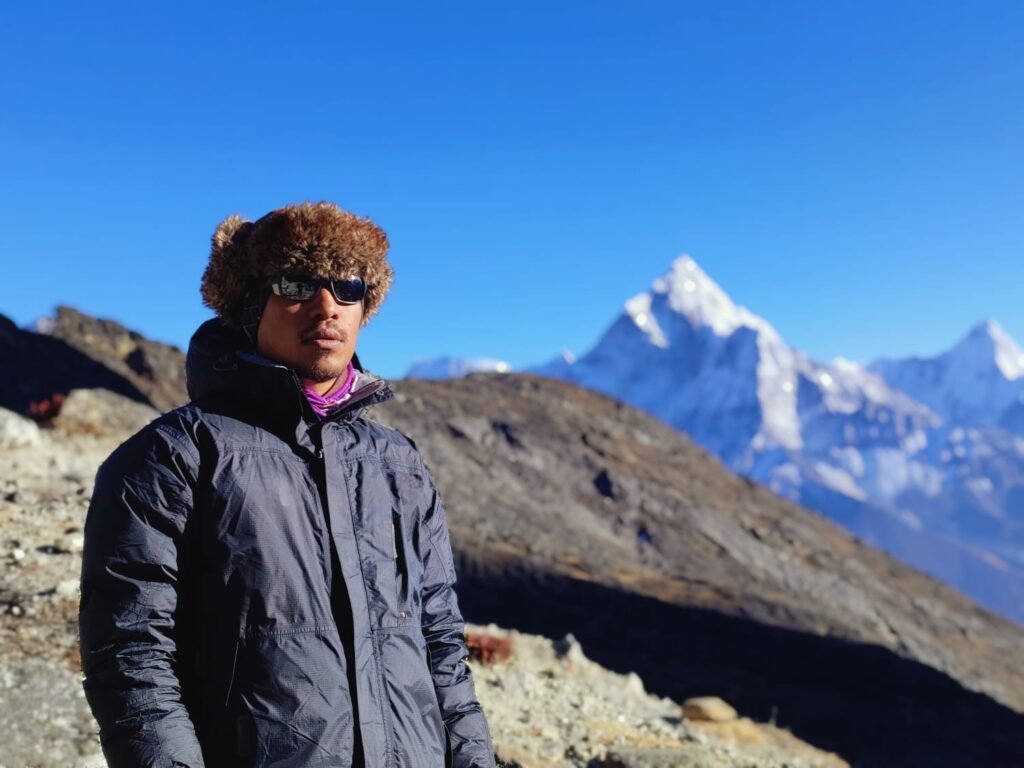


Responsible Travel in the Popular Region
With popularity comes responsibility, and the Annapurna region’s fame makes [responsible tourism](/en/blog/responsible-tourism-annapurna) more important here than almost anywhere else in Nepal, because the footfall is enormous in peak season. Annapurna Circuit Treks practises this rather than preaching it, using community lodges, hiring local guides and porters, and following the [conservation area](/en/blog/annapurna-conservation-area) rules that ban many forms of [single-use plastic](/en/blog/reducing-plastic-annapurna-trail). Carrying out your rubbish, refusing single-use plastic and respecting [monasteries](/en/blog/annapurna-monasteries) are small acts with cumulative effect on valleys that host hundreds of thousands of trekkers a year. The [how trekking supports communities](/en/blog/how-trekking-supports-communities) story is central: your stay directly funds the schools and trails of the villages you walk through. Spreading visits across the [best time to trek](/en/blog/best-time-to-trek-annapurna) windows and treading lightly on fragile alpine vegetation helps the region absorb the pressure, so the Annapurnas remain as beautiful for the next walker as they were for you, which is the quiet pact every popular destination depends upon.## Why the Annapurna Region Leads Nepal
The Annapurna region is, by almost every measure, Nepal’s most popular trekking area, drawing more walkers each year than any other part of the Himalaya and for reasons that go well beyond marketing. Sitting conveniently close to Pokhara, the country’s adventure capital, the region packs an unrivalled variety of landscapes, cultures and trek lengths into a single accessible massif, so a first-time visitor and a seasoned expeditioner can both find their perfect walk. Annapurna Circuit Treks is based in Pokhara precisely because this is the natural gateway, and from here the Annapurnas are reachable within a short drive rather than a costly flight. The combination of reliable teahouse infrastructure, dramatic peaks like Annapurna I and Machapuchhre, and trails that range from a two-day ridge walk to a three-week circuit explains the region’s enduring dominance. For trekkers deciding where to spend their Nepal leave, the Annapurnas offer the safest, richest and most flexible answer to the question of where the mountains are most rewarding.## A Range for Every Trekker
What sets Annapurna apart as Nepal’s favourite is the sheer spread of experiences on offer, a menu of treks that few other regions can match for range and ease of access. The short [Mardi Himal](/en/blog/mardi-himal-trek) ridge walk, the classic Ghorepani Poon Hill sunrise, the [Khopra Ridge](/en/blog/khopra-ridge-trek) community trail, the Annapurna Base Camp Sanctuary and the full [Annapurna Circuit](/en/blog/the-complete-guide-to-annapurna-circuit-trek) all radiate from the same hub. Annapurna Circuit Treks runs every one of these from Pokhara, which means a trekker with three days or three weeks can be on a world-class trail within hours of landing. This density of choice is rare: in many regions a single trek defines the visit, but here the same peaks frame a dozen distinct journeys. The result is a region that welcomes [beginner trekkers](/en/blog/can-beginners-trek-annapurna-circuit), [family groups](/en/blog/annapurna-with-kids-family-trek), [senior walkers](/en/blog/senior-friendly-annapurna-treks) and hardcore altitude chasers alike, and that breadth is the quiet engine of its popularity across every season.## Accessibility From Pokhara
The region’s popularity is built on logistics as much as scenery, and Pokhara is the single biggest advantage Annapurna holds over its rivals. Unlike the Everest region, which requires the dramatic but pricey flight into Lukla, most Annapurna treks begin with a simple drive from a lakeside city that itself is a joy to visit. Annapurna Circuit Treks handles every transfer from Pokhara, so clients brief, gear-check and permit-handover in one relaxed place before rolling toward the hills. The shorter travel time means more days actually walking and fewer spent in transit, and the lower cost of reaching the trail keeps the whole trip affordable. Even the [Annapurna Circuit](/en/blog/the-complete-guide-to-annapurna-circuit-trek), the longest of the region’s walks, now benefits from road access that lets trekkers choose where to start and finish. For the time-pressed traveller, this ease of access is decisive, and it is a major reason the Annapurnas top every list of Nepal’s most trekked areas.## The Teahouse Network That Built the Brand
Annapurna’s reputation rests on its teahouses, the family-run lodges that turned Himalayan trekking from an expedition into something almost anyone can do, and the density of this network is unmatched anywhere in Nepal. From the low Gurung villages to the high Thakali settlements, a warm room, a hot meal and a wood stove are rarely more than a few hours apart, which lowers the barrier to entry dramatically. Annapurna Circuit Treks favours [comfortable teahouses](/en/blog/comfortable-teahouse-annapurna) with clean rooms and reliable cooking, pre-booking where the trail is busy in autumn. The [food on the trail](/en/blog/annapurna-food) is hearty and varied, dal bhat fuelling most walkers, with apple pie and noodles rounding out the menu. This infrastructure means trekkers carry less, worry less and sleep warm, and it is precisely this comfort that lets the region claim the title of most popular. The teahouse culture is also the social heart of the walk, a daily gathering that turns strangers into a travelling community along the trail.## Cultural Richness Along the Trails
Beyond mountains, the Annapurna region’s popularity owes much to its cultural depth, a living tapestry of Gurung, Magar, Thakali and Tibetan-origin communities whose villages line almost every route. Trekkers pass [monasteries](/en/blog/annapurna-monasteries), mani walls, chortens and the sacred temple of Muktinath, encountering a Buddhism and Hinduism woven into the daily rhythm of the hills. Annapurna Circuit Treks builds [culture](/en/blog/annapurna-culture) into every itinerary, with guides who share the festivals, crafts and stories of the people you meet, because the human texture is what many clients remember most. The [villages](/en/blog/gurung-magar-villages-annapurna) of Ghandruk, Ghorepani and Manang are destinations in their own right, with museums, homestays and a welcome honed over decades of hosting. This meeting of mountains and living tradition is rare even in Nepal, and it is a central reason the Annapurnas draw repeat visitors who come as much for the people as for the peaks that tower above them.## How Annapurna Compares to Everest
The [Circuit versus Everest](/en/blog/annapurna-circuit-vs-everest-base-camp) question frames much of Nepal’s trekking debate, and Annapurna’s popularity is partly explained by how it stacks up against the famous Khumbu. Everest delivers one legendary peak and a singular alpine experience, but it demands the Lukla flight, higher costs and a longer, more committing approach. Annapurna counters with more ecological and cultural variety packed into shorter, cheaper, easier-to-reach walks, and the loop format of the [Annapurna Circuit](/en/blog/the-complete-guide-to-annapurna-circuit-trek) gives a sense of true circumambulation many find more rewarding. Annapurna Circuit Treks runs both regions and sees Annapurna as the better first choice for most, with Everest reserved for those chasing a specific icon. The numbers back this up: more trekkers choose Annapurna each year, drawn by value, variety and access. Both are stupendous, but for the broadest range of walkers the Annapurnas remain Nepal’s most trekked and most loved region by a clear margin.## Annapurna Against Langtang and Manaslu
Against the [Circuit versus Manaslu](/en/blog/annapurna-circuit-vs-manaslu) comparison and the quieter Langtang valley to the east, Annapurna wins on infrastructure and choice while those regions win on solitude. Langtang is closer to Kathmandu and lovely, but its trail network is smaller and its lodges fewer since the 2015 earthquake, limiting options. Manaslu is a restricted area needing a special permit and minimum group size, which keeps numbers low and the wilderness feel strong but raises cost and complexity. Annapurna Circuit Treks notes that Annapurna’s teahouse density, road access and range of routes make it the most flexible and forgiving region for most visitors. For trekkers wanting remoteness, Manaslu is compelling; for those wanting the fullest menu with reliable support, Annapurna is unbeatable. This balance of wildness and welcome is exactly why the region wears the crown of Nepal’s most popular trekking area year after year without serious challenge.## Seasons That Keep the Trails Busy
The region’s popularity is also a story of reliable seasons, because the [best time to trek](/en/blog/best-time-to-trek-annapurna) windows here are long and forgiving compared with harsher ranges. Autumn, from late September to November, is the classic peak, with clear skies and stable [weather](/en/blog/annapurna-weather) that draws the largest crowds to every trailhead. [Spring trekking](/en/blog/spring-in-annapurna-rhododendrons), March to May, brings rhododendrons into bloom and warm lower trails, a gorgeous second window. Even [winter](/en/blog/winter-trekking-annapurna-low-routes) sees trekkers on the lower routes like Poon Hill, while the summer monsoon rewards the few with empty lodges and green hills. Annapurna Circuit Treks helps clients choose their window and builds flexibility into the [itinerary](/en/blog/annapurna-circuit-itinerary) so a spell of poor weather never ruins the experience. This year-round accessibility means the Annapurnas are never truly closed, and a region you can trek in any season is a region that stays popular through every month of the calendar.## The Conservation Area Advantage
The Annapurna Conservation Area, the first of its kind in Nepal, is a quiet pillar of the region’s popularity, because its managed trails, ranger posts and community programmes keep the walking experience safe and the environment intact. Every trekker buys an ACAP permit, and those fees fund the [conservation area](/en/blog/annapurna-conservation-area) upkeep that makes the region so pleasant to walk. Annapurna Circuit Treks practises [responsible tourism](/en/blog/responsible-tourism-annapurna) within these rules, using community lodges and following the bans on many forms of [single-use plastic](/en/blog/reducing-plastic-annapurna-trail) that keep the valleys clean. Trekkers notice the difference: well-maintained paths, managed waste and villages that benefit directly from their visit. This virtuous circle, where popularity funds protection and protection sustains popularity, is a model other regions emulate. For the visitor it means a region that feels cared for, and a cared-for region is one people return to and recommend, cementing Annapurna’s standing as Nepal’s favourite trekking destination.## Short Treks That Hook First-Timers
A big part of Annapurna’s dominance is its stable of short treks that serve as the perfect first Himalayan experience, and these gateway walks feed the region’s popularity enormously. The Ghorepani Poon Hill sunrise, the [Mardi Himal](/en/blog/mardi-himal-trek) ridge and the [Khopra Ridge](/en/blog/khopra-ridge-trek) trail all deliver big mountain drama in under a week, ideal for [beginner trekkers](/en/blog/can-beginners-trek-annapurna-circuit) and tight schedules. Annapurna Circuit Treks sees many clients do a short Annapurna trek first, fall for the mountains, then return for the [Annapurna Circuit](/en/blog/the-complete-guide-to-annapurna-circuit-trek) or the Sanctuary. The [best sunrise viewpoints](/en/blog/best-sunrise-viewpoints-annapurna) on Poon Hill alone justify the region’s fame, and the low altitude keeps [altitude sickness](/en/blog/altitude-sickness) rare on these introductions. By offering a low-commitment entry point, Annapurna converts curious visitors into lifelong Himalaya trekkers, a pipeline of popularity that longer, harder regions simply cannot match with the same ease and warmth.## Photography and the Postcard Factor
The Annapurnas are, frankly, the most photogenic range in Nepal, and the [photography](/en/blog/annapurna-photography-tips) appeal of peaks like Machapuchhre and Dhaulagiri framed above terraced villages is a powerful driver of the region’s fame. Social media has amplified this, with Poon Hill sunrises and Annapurna Base Camp amphitheatres becoming bucket-list images shared worldwide. Annapurna Circuit Treks times arrivals so clients catch the alpenglow that makes these shots, because the light here is generous and repeated. The enclosed geometry of the Sanctuary, the fishtail spire reflected in Phewa Lake, the prayer-flagged ridges, all hand trekkers frame after frame of the kind of image that explains why people travel halfway around the world. A region that photographs this well markets itself, and the visual pull of the Annapurnas is a genuine, if under-discussed, reason they remain Nepal’s most trekked and most posted mountains season after season.## Safety and Support on the Trails
Popularity also breeds safety, because busy trails mean help is rarely far and local expertise is deep, and the Annapurnas benefit enormously from this density of support. Annapurna Circuit Treks trains every guide in [altitude sickness](/en/blog/altitude-sickness) response and carries supplemental oxygen and evacuation protocols on high routes, but the region’s own infrastructure, frequent lodges, rescue helicopter access and experienced staff everywhere raise the baseline of [safety](/en/blog/annapurna-trek-safety-tips). The [solo trekking safety](/en/blog/solo-trekking-annapurna-safety) question, once a real concern, is eased by the constant presence of other trekkers and teahouses. Even the [Thorong La](/en/blog/thorong-la-passes), the region’s highest challenge, is crossed by thousands each autumn with professional support close at hand. For families, [senior trekkers](/en/blog/senior-friendly-annapurna-treks) and first-timers, this reassurance matters, and a region where you are never truly alone in an emergency is a region people choose with confidence, adding another layer to Annapurna’s lead as Nepal’s most popular trekking area.## Why Operators Cluster in Pokhara
The concentration of trekking operators in Pokhara, including Annapurna Circuit Treks, is both a cause and effect of the region’s popularity, creating a competitive, professional ecosystem that benefits trekkers. Licensed guides, gear shops, permit offices and transport hubs all sit within a lakeside city, so a visitor can arrive, brief and depart within a day, with every service vetted by a busy market. Anish Maharjan and his peers have built deep local knowledge of the Annapurna valleys, and that expertise translates into better [itinerary](/en/blog/annapurna-circuit-itinerary) design and [safety](/en/blog/annapurna-trek-safety-tips) for clients. The clustering also keeps prices fair and standards high, because reputation travels fast in a town built on trekking. For the visitor, this means choosing Annapurna comes with a built-in support industry that simply does not exist at the same density elsewhere, and that professional backbone is a quiet but decisive reason the region stays Nepal’s most trekked, most trusted and most recommended destination.## Final Thoughts on Nepal’s Favourite Region
The Annapurna region earns its title as Nepal’s most popular trekking area through a rare combination of access, variety, infrastructure, culture and year-round reliability, a package no other part of the Himalaya quite matches for the broadest range of walkers. From the short [Mardi Himal](/en/blog/mardi-himal-trek) ridge to the full [Annapurna Circuit](/en/blog/the-complete-guide-to-annapurna-circuit-trek), from Pokhara’s lakeside ease to the high [Thorong La](/en/blog/thorong-la-passes), the region offers a perfect walk for almost everyone who arrives. Annapurna Circuit Treks is proud to call this region home, guiding its trails with licensed staff, community lodges and a safety-first ethos that lets you focus on the wonder. Whether you come for a [honeymoon](/en/blog/honeymoon-in-the-himalayas-annapurna), a [family adventure](/en/blog/annapurna-with-kids-family-trek) or a personal challenge, the Annapurnas meet you with generosity and scale. Plan well, tread lightly, and you will understand why this corner of Nepal has led the trekking world for decades and shows no sign of surrendering the crown.
Plan Your Annapurna Adventure
Annapurna Circuit Treks is a Pokhara-based operator run by Anish Maharjan, specialising in the Annapurna region. Every trip uses licensed guides, community lodges and a paced plan that puts safety and the local valley first. Tell us your dates, your fitness and the experience you want, and we return a trip built around you. Contact us and let’s plan the Annapurna that fits.
*Related reading: see our [Pillar Guide to the Annapurna Circuit](/en/blog/the-complete-guide-to-annapurna-circuit-trek), the [best day hikes around Pokhara](/en/blog/best-day-hikes-around-pokhara), and [how trekking supports communities](/en/blog/how-trekking-supports-communities).*
Related reading: Is Annapurna Trek Safe? Complete Annapurna Trek Safety Guide for First-Time & Experienced Trekkers | Annapurna Circuit trek vs Annapurna Base Camp – Which Trek is Right for You? | Annapurna Base Camp Trek Experience: A Journey to the Heart of the Himalayas | Gurung and Magar Villages: Living Culture on the Annapurna Trail