


Everest Base Camp at a Glance
The Everest Base Camp trek is the most famous walking journey on earth, a pilgrimage along the Khumbu valley to the foot of the world’s highest mountain, and it earns that reputation with every step. The standard walk begins with a dramatic flight into the mountain airstrip at Lukla and climbs steadily through Sherpa villages, Buddhist monasteries and glacial valleys to reach Everest Base Camp at roughly 5,364 metres, with most trekkers also ascending Kala Patthar at about 5,545 metres for the classic panorama of Everest itself. The full trek typically takes twelve to sixteen days including acclimatisation, longer than the Annapurna Circuit’s compact options but comparable in total altitude. Annapurna Circuit Treks specialises in the Annapurna region rather than Everest, but we know the Khumbu well and help many clients compare the two iconic journeys. If you are weighing where to point your boots, this guide lays out the Everest experience accurately, its demands, its glories and how it differs from the Annapurna trails we know best.## The Lukla Flight: The Adventure Begins
No part of the Everest Base Camp trek is more talked about than the flight into Lukla, the small mountain airstrip at around 2,860 metres that serves as the gateway to the Khumbu, and it is both thrilling and a genuine logistical hinge. The flight from Kathmandu is short but spectacular, threading between peaks to a runway that ends at a hillside, and it is weather-dependent to the point that delays of a day or more are common in poor conditions. This is the first real difference from Annapurna, where you drive from Pokhara and avoid the flight risk entirely. Annapurna Circuit Treks always builds buffer days around the Lukla flight for clients attempting Everest, because a missed flight can cascade through the whole [itinerary](/en/blog/annapurna-circuit-itinerary). The airstrip is regularly rated among the most extreme in the world, and while safety standards are solid, the dependency on clear morning weather is a planning reality that Annapurna trekkers simply do not face, and it shapes the entire rhythm of an Everest trip from the first hour.## The Trail: Namche, Tengboche and the Khumbu
The Everest walk is a long, linear journey up the Khumbu valley rather than a loop, and its character is defined by the high, arid Sherpa heartland rather than the ecological variety of Annapurna. From Lukla the trail drops to the Dudh Koshi river and climbs to the pivotal town of Namche Bazaar, the bustling hub of the region where trekkers acclimatise and stock up. Beyond lies Tengboche with its famous [monasteries](/en/blog/annapurna-monasteries) beneath Ama Dablam, then Dingboche, Lobuche and Gorak Shep, the last settlements before base camp. The [culture](/en/blog/annapurna-culture) here is distinctly Tibetan Buddhist, with mani walls, prayer flags and the warm hospitality of the Sherpa people who have defined Himalayan mountaineering. Annapurna Circuit Treks notes that while we focus on Annapurna, the cultural texture of the Khumbu is one of its great draws, and trekkers who love [monasteries](/en/blog/annapurna-monasteries) and high-altitude Buddhist life will find Everest profoundly moving, even if the landscape is more singular than the Annapurna Circuit’s sweeping range of climates.## Reaching Base Camp and Kala Patthar
The climax of the trek is twofold: reaching Everest Base Camp at about 5,364 metres, the tented city beneath the Khumbu Icefall where climbers prepare to summit, and climbing Kala Patthar at roughly 5,545 metres for the definitive view of Everest’s summit. Base Camp itself is a stark, rocky, glacial place rather than a scenic overlook, moving more for what it represents than what it looks like, while Kala Patthar is the viewpoint that delivers the postcard panorama of Everest, Lhotse and Nuptse at dawn. The altitude here is higher than the [Thorong La](/en/blog/thorong-la-passes), and the thin air makes every step deliberate, which is why [acclimatisation](/en/blog/acclimatisation-tips) days in Namche and Dingboche are essential. Annapurna Circuit Treks stresses that Everest’s high points demand the same respect for [altitude sickness](/en/blog/altitude-sickness) as any Annapurna pass, and the cure remains the same: climb slowly, rest, and descend if symptoms worsen, because at these heights the margin for error is thin and the mountains are unforgiving of impatience.## Best Seasons for Everest
Timing the Everest Base Camp trek follows the same broad logic as the Annapurna Circuit, with two clear peak windows and two quieter, harder seasons. Autumn, from late September to November, brings the clearest skies and most stable [weather](/en/blog/annapurna-weather), making it the standout choice and the busiest, while [spring trekking](/en/blog/spring-in-annapurna-rhododendrons), from March to May, offers warmer lower trails, blooming rhododendrons and the chance to see climbers on the icefall, though it is a little more changeable. Winter is cold and quiet with heavy snow possible up high, and the summer monsoon brings cloud, leeches in the lower forest and unreliable flights. Annapurna Circuit Treks advises Everest trekkers to favour autumn for the most dependable conditions and the safest Lukla flights, and to build flexibility around both the flight and the high passes. The [best time to trek](/en/blog/best-time-to-trek-annapurna) question for Everest is answered much as it is for Annapurna, but the flight dependency makes clear autumn mornings even more valuable here than on the Circuit.## Difficulty, Fitness and Who It Suits
The Everest Base Camp trek is graded strenuous, and its challenge is a combination of sustained altitude, long daily walking and the simple fact that you finish higher than almost any other popular trek, with Kala Patthar at about 5,545 metres. Unlike the Annapurna Circuit there is no high pass to cross and descend, which some find easier, but the relentless upward march and the very high sleeping altitudes make [altitude sickness](/en/blog/altitude-sickness) the dominant risk. A reasonably fit walker who trains with hills and long days copes well, and there is no need for technical skill, but the altitude demands humility and rest days. Annapurna Circuit Treks sees [beginner trekkers](/en/blog/can-beginners-trek-annapurna-circuit) with good preparation reach EBC, while [senior trekkers](/en/blog/senior-friendly-annapurna-treks) and [family treks](/en/blog/annapurna-with-kids-family-trek) with older children also succeed when the plan is paced. The trek suits those who want a singular, iconic goal and do not mind a long, out-and-back walk without the Circuit’s ecological variety, and it rewards patience above athletic brilliance.## Permits and Logistics for the Khumbu
The permit system for Everest differs from Annapurna’s and is worth understanding if you are comparing regions. Trekkers to the Khumbu need a Sagarmatha National Park entry permit and, for most foreign nationals, a Khumbu Pasang Lhamu Rural Municipality permit, obtained in Kathmandu rather than Pokhara, and there is no TIMS card equivalent in the same form. The [trekking permits](/en/blog/annapurna-circuit-permits) fund the park and local infrastructure, much as the ACAP fee does in the [conservation area](/en/blog/annapurna-conservation-area) around Annapurna. Annapurna Circuit Treks handles Annapurna paperwork natively and can advise on Everest logistics, but notes that the Khumbu’s permit and flight arrangements are more Kathmandu-centric and weather-exposed. Budgeting for the Lukla flight, permits, guide, lodges and the higher cost of goods in the remote Khumbu is essential, because everything is carried in by foot or plane and priced accordingly, making Everest generally dearer than a comparable Annapurna teahouse trek once transport is counted.## Food, Lodges and the Teahouse Life
Like Annapurna, the Everest trek runs almost entirely on teahouses, the family lodges that define Nepali trekking, and the [food on the trail](/en/blog/annapurna-food) is hearty and familiar, with dal bhat, noodles, pasta and potato dishes forming the staple diet at altitude. The lodges of the Khumbu are well developed thanks to decades of Everest tourism, with Namche and a few higher villages offering surprising comforts, though rooms grow basic and cold as you climb. Annapurna Circuit Treks favours [comfortable teahouses](/en/blog/comfortable-teahouse-annapurna) on the routes we run, and the same principle applies on Everest: pre-booking in peak season avoids the dreaded dining-room floor. Eating together in the lodge, sharing stories with Sherpa hosts and fellow trekkers, is as much a part of the Everest experience as the mountain itself. Vegetarians are easily catered for, and choosing freshly cooked hot meals is both the tasty and the safe choice at altitude, where a settled stomach is worth more than a varied menu.## Altitude and Acclimatisation on the Khumbu
Altitude is the defining challenge of the Everest Base Camp trek, more so even than on the Annapurna Circuit, because the trek finishes at a higher sleeping elevation and offers fewer opportunities to climb high and sleep low. The standard defence is a disciplined [acclimatisation](/en/blog/acclimatisation-tips) schedule with rest days in Namche Bazaar and Dingboche, often including acclimatisation hikes to nearby viewpoints, and the golden rules of hydration, slow pacing and descent at the first serious signs of [altitude sickness](/en/blog/altitude-sickness) apply absolutely. Annapurna Circuit Treks trains every guide in altitude response and carries emergency protocols, and we would apply the same on Everest: no one is pushed upward through worsening symptoms, because the mountain will wait and your health will not. Trekkers who respect the altitude and build in the rest days almost always succeed; those who rush the Khumbu are the ones who end up evacuated, and that is the blunt lesson of every season on the world’s most famous trail.## Safety and Evacuation in the Khumbu
[Safety](/en/blog/annapurna-trek-safety-tips) on the Everest trek centres on altitude, the Lukla flight and the remote, high character of the valley, and the region has a well-established but weather-dependent rescue system. Helicopter evacuation is available from the higher villages and base camp in clear weather, and comprehensive insurance covering helicopter rescue above 5,000 metres is essential, exactly as it is on Annapurna. The [solo trekking safety](/en/blog/solo-trekking-annapurna-safety) argument favours a guide here too, both for altitude expertise and for navigating the logistics of a remote valley far from any road. Annapurna Circuit Treks notes that while we specialise in Annapurna, the safety principles we live by, licensed guides, acclimatisation discipline, daily monitoring and a clear evacuation plan, are universal and apply just as firmly on Everest. The Khumbu is safer than its reputation because of its experienced guiding culture and rescue network, but it remains a high, remote place where preparation and local support are the difference between a story and a statistic.## Everest Versus Annapurna: The Honest Comparison
The [Circuit versus Everest](/en/blog/annapurna-circuit-vs-everest-base-camp) question is the one we are asked most by trekkers deciding between the two icons, and the honest answer is that they are different journeys rather than one better than the other. Everest offers a singular, iconic goal, the foot of the world’s highest peak, with a deep Tibetan Buddhist [culture](/en/blog/annapurna-culture) and the drama of the Lukla flight, but it is linear, finishes very high, and costs more once the flight is counted. The Annapurna Circuit, which Annapurna Circuit Treks specialises in, offers more ecological and cultural variety in a loop, begins with an easier drive from Pokhara, generally costs less, and crosses the spectacular [Thorong La](/en/blog/thorong-la-passes) rather than ending at a base camp. Both deliver stupendous mountains and life-changing views. We help clients choose based on timeframe, budget, appetite for the flight and whether they want a loop rich in variety or a focused pilgrimage to Everest, because the right trek is the one that fits the life and the leave you actually have.## Why Rolling Adventure Specialises in Annapurna
It is worth being clear about where we put our energy: Annapurna Circuit Treks is a Pokhara-based operator run by Anish Maharjan, and we specialise in the Annapurna region, not Everest, because that is where our guides live, our lodges are vetted and our expertise is deepest. We know every switchback of the Circuit, the quiet of [Mardi Himal](/en/blog/mardi-himal-trek), the ridge walk of [Khopra Ridge](/en/blog/khopra-ridge-trek) and the sunrise at Poon Hill, and we run them with licensed guides, community lodges and a safety-first plan. We happily advise clients comparing Everest and Annapurna, and we will tell you straight if Everest better suits your goal, but our delivered trips shine in Annapurna, where our local knowledge is unmatched. Choosing a specialist operator for the region you actually trek is the smartest safety and value decision you can make, and for Annapurna that specialist is us, from the lakeside city of Pokhara to the highest pass and back.## Photography and the Iconic Views
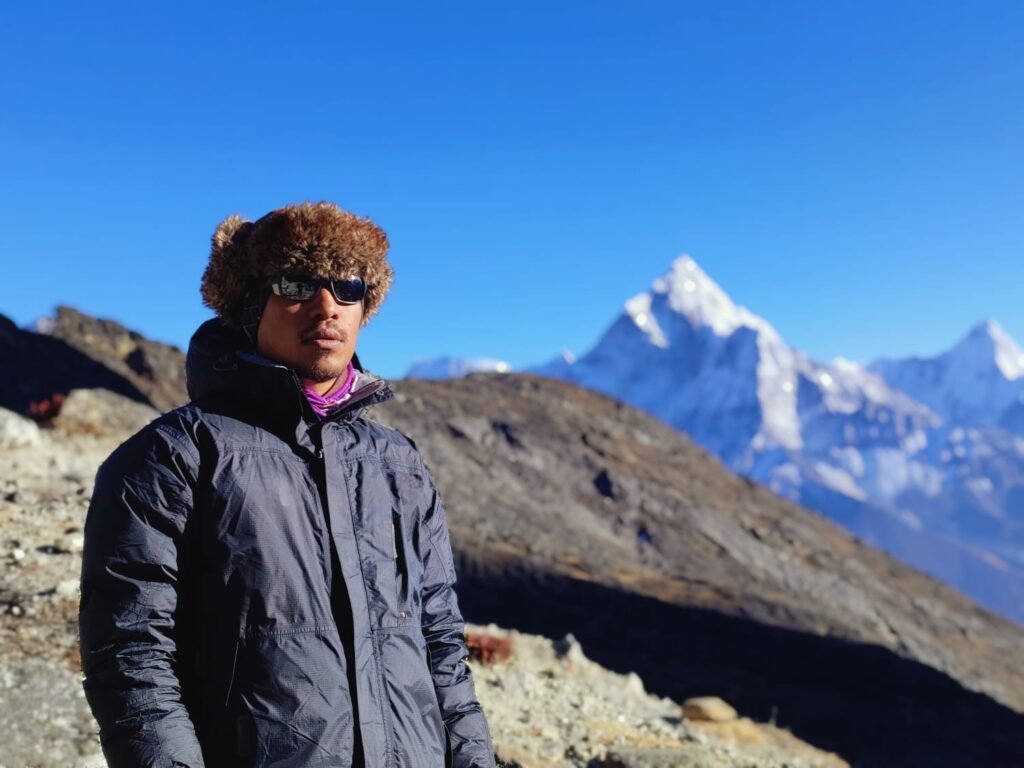
The Everest region is a [photography](/en/blog/annapurna-photography-tips) paradise, and the imagery is part of why the trek is legendary, from the first glimpse of Ama Dablam above the trail to the dawn light on Everest from Kala Patthar. The high, clear air of autumn and spring gives the kind of contrast and colour that make even a phone shot look professional, and the [monasteries](/en/blog/annapurna-monasteries), prayer flags and Sherpa villages add human texture to the ice and rock. Annapurna Circuit Treks encourages trekkers on our Annapurna routes to shoot in the soft hours after dawn and before dusk, and the same advice holds on Everest, where the changing light on the peaks is the whole show. Batteries drain fast in the cold, so carrying warm spares is a small habit with a big payoff. Whether you trek Everest or Annapurna, the Himalayas hand you frame after frame of the kind of image that explains, better than any paragraph, why people travel halfway around the world to stand beneath these walls of snow.## Packing for the Khumbu
A [packing list](/en/blog/annapurna-packing-list) for Everest mirrors Annapurna’s in spanning two extremes, from the humid lower forest to the frozen high valley, but with an extra emphasis on cold because you sleep higher. Layered clothing is essential: a wicking base, insulating fleece or down, and a waterproof shell that shrugs off wind and snow, plus a warm sleeping bag rated well below freezing for the high lodges. Broken-in boots, trekking poles, sunglasses, high-SPF sunscreen and a refillable bottle with purification cut [single-use plastic](/en/blog/reducing-plastic-annapurna-trail) and protect against the intense high-altitude sun. Annapurna Circuit Treks sends season-specific kit lists and helps clients rent quality gear in Pokhara for our Annapurna trips, and the same principles apply on Everest. Packing light but completely is a skill our guides teach, because a well-packed bag makes every day on the trail easier and safer, and on a trek that finishes above 5,500 metres the margin for being under-equipped is smaller than almost anywhere else you will walk.## Final Thoughts on the Everest Trek
The Everest Base Camp trek is a genuine icon, a journey to the foot of the world’s highest mountain that rewards preparation, patience and respect for altitude with views and memories that last a lifetime, and it deserves its place at the top of many trekkers’ lists. Yet it is not the only great Himalayan walk, and for many the [Annapurna Circuit](/en/blog/the-complete-guide-to-annapurna-circuit-trek) offers more variety, easier logistics from Pokhara and better value, which is exactly why Annapurna Circuit Treks has built its home there. If your heart is set on Everest, go with eyes open to the flight, the altitude and the cost, and choose guides who treat [safety](/en/blog/annapurna-trek-safety-tips) as seriously as we do. If you want the fullest range of landscapes and cultures in one loop, Annapurna is our specialty and our recommendation. Either way, the Himalayas will deliver, and the only wrong choice is the one made without honest information about what each journey truly asks of you.
Plan Your Annapurna Adventure
Annapurna Circuit Treks is a Pokhara-based operator run by Anish Maharjan, specialising in the Annapurna region. Every trip uses licensed guides, community lodges and a paced plan that puts safety and the local valley first. Tell us your dates, your fitness and the experience you want, and we return a trip built around you. Contact us and let’s plan the Annapurna that fits.
*Related reading: see our [Pillar Guide to the Annapurna Circuit](/en/blog/the-complete-guide-to-annapurna-circuit-trek), the [best day hikes around Pokhara](/en/blog/best-day-hikes-around-pokhara), and [how trekking supports communities](/en/blog/how-trekking-supports-communities).*
Related reading: Is Annapurna Trek Safe? Complete Annapurna Trek Safety Guide for First-Time & Experienced Trekkers | Annapurna Circuit trek vs Annapurna Base Camp – Which Trek is Right for You? | Annapurna Base Camp Trek Experience: A Journey to the Heart of the Himalayas | Annapurna Base Camp Trek