
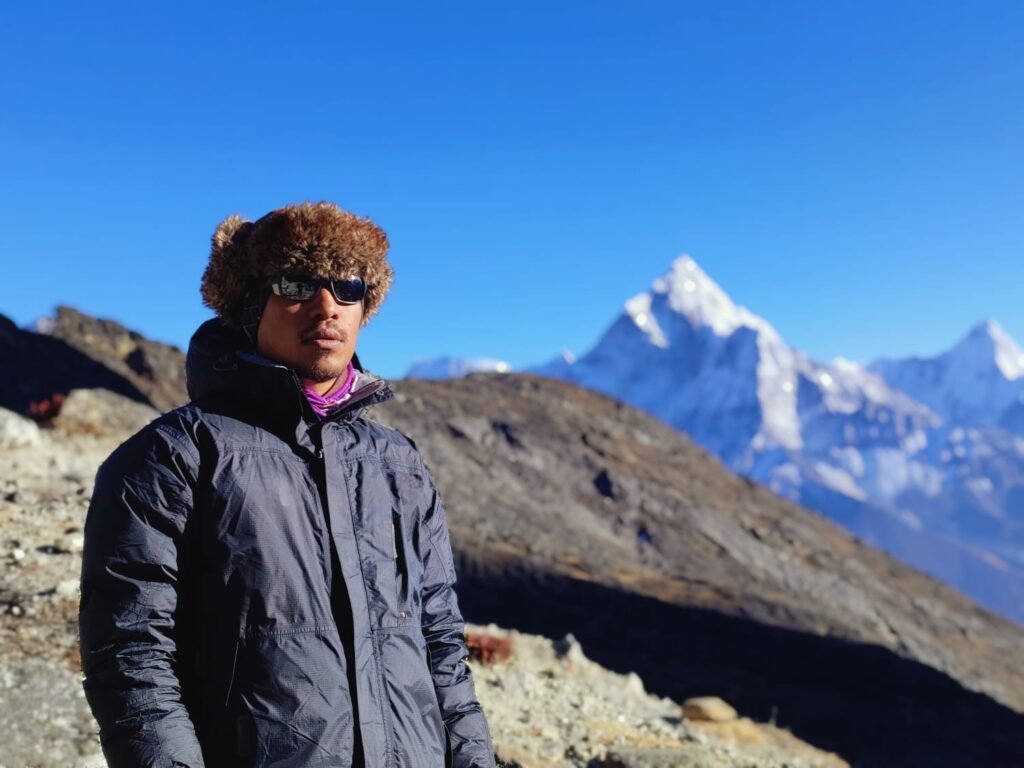


The Traverse That Touches Everything
There is a class of Annapurna journey that goes beyond a single named trek and stitches the region into one grand, sweeping traverse, and for trekkers with three weeks and a serious appetite for variety, it is the finest expedition in the Nepali Himalaya. Over roughly twenty-one days you can link the lowland Gurung and Magar villages, the rhododendron forests, the high sanctuaries beneath the great peaks, the desert-like valleys of the rain shadow, and the great pass that crosses the range itself. Few walks on earth pack so many landscapes, cultures, and altitudes into a single continuous footpath. This is not a route for the casually fit or the time-poor, but for those who can commit, the grand traverse is the definitive Annapurna experience, and it is exactly the kind of ambitious, paced journey Annapurna Circuit Treks loves to build from Pokhara.nnWhat makes a three-week traverse special is the sense of a complete arc rather than a single highlight. You begin among terraced fields and temple bells, climb through changing forest, stand beneath the white wall of the massif at base camp, cross into the dry, Tibetan-flavoured north, and descend through apple orchards and winding river gorges back toward the warm lowlands. Each week feels like a different country. The challenge is logistics and pacing: covering that much ground safely means careful acclimatisation, the right permits, and a guide who knows where the long days and the rest days should fall. Our [classic circuit guide](/en/blog/the-complete-guide-to-annapurna-circuit-trek) covers the backbone, but the grand traverse adds the southern sanctuaries that turn a line into a loop worth three weeks.nn## Why Three Weeks and Not Less
A three-week window is the honest minimum for a grand traverse done at a human pace, and rushing it defeats the purpose. The region is vast, and the highlights worth seeing, the base camp sanctuary, the high pass, the Kali Gandaki gorge, the Gurung heartland, are spread far apart, so compressing them into two weeks means either skipping the best bits or marching through them too fast to acclimatise or enjoy. Altitude alone dictates the rhythm: you simply cannot gain height quickly and stay healthy, so the climb to the pass and the high camps must be paced over days with rest built in. Three weeks lets you do that and still linger, a morning at a viewpoint, an afternoon in a monastery, a rest day when your legs ask for one, without the trip slipping out of reach.nnThe extra days also buy resilience against the one thing no one controls: weather. A three-week traverse includes buffer days that a tight schedule cannot spare, and in the mountains a buffer day is often the difference between crossing a pass safely and being pinned by snow. It also lets you recover from the inevitable minor illness or sore knee, which on a shorter trip becomes a crisis. At Annapurna Circuit Treks we design the three-week arc with deliberate slack, because a traverse is a marathon, not a sprint, and the trekkers who finish smiling are the ones who let the mountains set the tempo rather than fighting the clock. Three weeks is the gift you give yourself to actually arrive.nn## Week One: The Southern Foothills and the Sanctuary
The grand traverse usually opens in the green southern foothills, and a beautiful way to begin is by walking the Gurung villages beneath the massif before turning up toward the Annapurna Base Camp sanctuary. Starting from a trailhead near Pokhara, the first days wind through terraced farms, rhododendron and oak forest, and settlements like Ghandruk and Chomrong where the culture of the hills is lived out loud. This southern approach is gentler than the high circuit and lets your legs and lungs tune up while the views build. Reaching the base camp sanctuary, a natural amphitheatre ringed by Annapurna, Hiunchuli, Machhapuchhre and friends, is a震撼 early payoff, and standing there among the peaks sets the tone for everything that follows. It is also a first, manageable taste of altitude before the bigger climbs.nnFrom the sanctuary you descend and rejoin the traversing line, having already banked one of the region’s signature experiences. The southern start has real advantages: it eases you in, it shows you the villages that the high route misses, and it spreads the altitude exposure so your body is better prepared for the pass later. This is a route decision your guide will shape with you, because some trekkers prefer to save the sanctuary for the end or to approach it via the hot springs at Jhinu. Either way, week one is about building fitness, learning the rhythm of lodge life, and soaking the lower culture, and it is the calm before the high country opens up. Our notes on the [first-time trekker](/en/blog/can-beginners-trek-annapurna-circuit) apply doubly here, because a soft start pays off later.nn## Week Two: The High Country and the Great Pass
Week two is the heart of the traverse and the part that demands respect, as the route climbs into the high, thin air toward the great crossing of the range. This is where the [circuit](/en/blog/the-complete-guide-to-annapurna-circuit-trek) backbone joins your line, and where acclimatisation becomes the daily discipline. You ascend through Manang and the high valleys, spending rest days to let your body adjust, because the pass ahead sits above five thousand metres and rushing it is dangerous. The landscape turns austere and beautiful, alpine meadow giving way to scree and snow, with the peaks looming ever closer. The crossing itself is a long, early-start day, often beginning before dawn in headtorch light, climbing steadily to the summit where the prayer flags whip in the wind and the world falls away on both sides.nnReaching the top of that pass is the emotional peak of the whole traverse, a moment of effort, exposure, and elation that trekkers remember for life, but the day is not over: the descent into the dry, windswept north is long and must be managed carefully. This is where all the pacing of week two pays off, because a well-acclimatised, rested body crosses and descends safely while an impatient one gets into trouble. The high country also holds side treasures, the expanse of [Tilicho Lake](/en/blog/tilicho-lake), the viewpoints toward the sanctuaries, that can be folded in if your legs and schedule allow. Week two is hard, genuinely hard, but it is the spine of the journey, and the pass is the door between two utterly different halves of the Annapurna world.nn## Week Three: The Kali Gandaki and the Descent Home
Having crossed into the rain shadow, week three is a different journey altogether, arid, windy, and coloured by Tibetan-influenced culture rather than the green Hindu hills of the south. The route follows the Kali Gandaki, the deepest gorge on earth, down through the Thakali villages where apple orchards, whitewashed houses, and famous hospitality define the valleys of Marpha, Tukuche and Jomsom. This is a chance to recover, to eat well, and to absorb a culture shaped by the old salt trade, all beneath the vast flanks of Dhaulagiri and Annapurna. The descent is gentler on the lungs but still long, and the walking shifts from snow and scree to dusty riverbed and orchard lanes, a welcome change of texture after the high country.nnThe traverse can close with a flight or a drive from the upper valley back toward Pokhara, or by continuing lower through the villages to a roadhead, depending on your time and taste. Either way week three is the coming-down chapter, physically easier and culturally rich, and it gives the trip a satisfying shape: you began in green hills, crossed the roof of the range, and now drift down through a strange, dry, beautiful land toward home. Our writing on [the villages of the region](/en/blog/gurung-magar-villages-annapurna) and [local culture](/en/blog/annapurna-culture) captures why this final week lingers in memory. Annapurna Circuit Treks paces week three to let knees recover and spirits savour, because arriving tired but fulfilled is the whole point of a grand traverse done right.nn## Linking the Routes Logistically
The grand traverse is less a single marked trail than a clever linking of several, and the logistics are where most independent attempts stumble. You are combining permitted areas, multiple entry and exit points, and a long arc that does not follow the obvious loop, so your [permits](/en/blog/annapurna-circuit-permits), transport, and lodging must be planned as one connected puzzle rather than separate treks. Baggage, resupply, and the question of where your porters meet you all need thought, because a three-week line crosses roads and airstrips where you can restock or bail out if needed. A Pokhara operator earns its fee here, arranging the vehicles, the flights, the timed lodge bookings, and the guide and porter team that carries the plan across three weeks without a seam showing.nnGetting the link points right, where you step from one sub-route to the next, is the craft of the traverse, and it is easy to add hours of unnecessary walking or miss a transport window if you guess. Experienced guides know these junctions by heart and can also flex the plan when weather or a sore knee demands it. At Annapurna Circuit Treks we pre-map the whole arc, build in the rest and buffer days, and keep a Pokhara base watching the weather and the logistics throughout. The result is that you experience the traverse as one flowing journey rather than a sequence of problems to solve, which is exactly how a three-week adventure through the Annapurna region should feel.nn## Acclimatisation Across Three Weeks
Spread over three weeks, acclimatisation stops being a worry and becomes simply the shape of the days, provided the plan respects it. The grand traverse actually acclimatises you beautifully if paced, because the southern start is low, the climb to base camp is moderate, and the long ascent to the high pass is gradual with rest days baked in. The golden rule of climbing high and sleeping low still applies, and a good guide uses side days, an afternoon at a high viewpoint followed by a lower sleep, to bank altitude gain without the risk. The danger is only when trekkers try to shortcut the arc and pile on height too fast, which is why we repeat: three weeks, paced, is the safe version of this trip, and cutting it is cutting your safety margin.nnOur[acclimatisation guide](/en/blog/acclimatisation-tips) explains the physiology, but on a traverse the practice is daily and visible: you feel stronger as the days pass, your sleep improves at each new level, and the pass becomes achievable rather than alarming. Watch for the early signs of [altitude sickness](/en/blog/altitude-sickness) throughout, because three weeks of exposure does not make you immune, it just gives your body time to adapt properly. The traverse teaches you your own altitude rhythm, and by the great pass you know what your body can do. That self-knowledge is one of the quiet gifts of a long, well-paced journey through the high Himalaya, and it stays with you on every trek after.nn## What You Will Eat and Where You Sleep
Three weeks on the trail means a lot of lodges, and the good news is that the Annapurna region has a deep, well-developed teahouse network, so you are rarely far from a meal and a bed. The food shifts with the landscape: dal bhat and momos in the lower villages, hearty potatoes and noodles higher up, and the famous Thakali set in the Kali Gandaki, with apple pie and cider appearing in the orchards of Marpha. Community lodges, the kind Annapurna Circuit Treks favours, keep the money local and the welcome warm, and after a long day there is nothing like a dining room stove, a cup of tea, and a plate of something hot. Eating enough, especially the carb-rich staples, fuels the big climbing days and aids recovery.nnSleep is the other half, and three weeks means your body adapts to simple lodges, thin mattresses, and the thin air. A good sleeping bag rated for the cold, an eye mask for the early light, and earplugs for snorers turn rough rooms into restful ones. Higher lodges are basic and cold, lower ones almost comfortable, and the variety is part of the experience. Our [food on the trail](/en/blog/annapurna-food) and [comfortable teahouse](/en/blog/comfortable-teahouse-annapurna) guides help you know what to expect and what to pack for a good night. Over three weeks you become a connoisseur of lodges, and the best ones, the family-run, mountain-facing, stove-warmed stops, become characters in the story of your traverse.nn## Fitness and Training for the Long Haul
A three-week traverse is a serious physical undertaking, and the trekkers who enjoy it most are the ones who trained for it, not the ones who winged it. You do not need to be an athlete, but you do need consecutive days of walking in your legs, because the trip is defined by its repetition: up, down, repeat, for three weeks, with some very long days in the middle. In the months before, build a habit of hill walking with a loaded pack, add stairs and back-to-back weekend hikes, and strengthen your knees and ankles, because descent is where most people hurt. Cardiovascular base helps with altitude, and simply being used to being on your feet for six or eight hours changes the trip from ordeal to pleasure. A pre-trip medical check is wise given the altitude and duration.nnThe mental fitness matters as much as the physical. Three weeks away from normal life, with basic comforts and relentless early starts, tests patience and mood as well as legs, and the trekkers who thrive are the ones who embrace the simplicity rather than resenting it. Our [beginner guidance](/en/blog/can-beginners-trek-annapurna-circuit) and [older trekker advice](/en/blog/senior-friendly-annapurna-treks) both emphasise gradual build-up, which applies even more to a traverse. Annapurna Circuit Treks can suggest a training outline and assess your readiness honestly, because sending someone under-prepared onto a three-week line helps no one. Train so the mountains are the adventure, not the obstacle, and the traverse becomes the journey of a lifetime rather than a test of survival.nn## Seasons for the Full Traverse
Timing a three-week traverse is a balancing act, because you want good conditions across very different zones, from the humid south to the high pass to the dry north, and the [best seasons](/en/blog/best-time-to-trek-annapurna) are autumn and spring for good reason. Autumn, from late September to November, gives the most reliable clear skies, stable weather for the pass, and crisp views, though the high camps are cold. Spring, from March to May, brings blooming rhododendron in the lower forests and generally good conditions, with a little more afternoon haze and the chance of late snow on the pass. Both windows let you complete the full arc safely, and they are when Annapurna Circuit Treks runs most grand traverses, because the weather spreads the risk thin across all three weeks.nnWinter makes the high pass treacherous or closed and the nights brutally cold, so a full traverse in deep winter is for experts only and often requires rerouting. The monsoon, from June to August, floods the southern forests green and hides the peaks, though the rain-shadow north stays comparatively dry, which is why some trekkers run inverted traverses in summer, a specialist choice. Our [weather guide](/en/blog/annapurna-weather) lays out the patterns month by month. The practical advice is to build the traverse around an autumn or spring window, pad it with buffer days, and let your Pokhara operator watch the forecast, because three weeks is long enough that some weather is guaranteed, and only preparation turns it from a problem into a paragraph in a good story.nn## Guides, Porters and the Long Line
On a three-week traverse the support team is not a luxury but the engine of the trip, and the choice of [guided versus private](/en/blog/group-vs-private-annapurna-treks) and how many porters you hire shapes every day. A licensed guide navigates, paces, treats altitude and minor illness, and bridges language and culture, while porters carry the load so your body spends its energy on the climbing, not the hauling. For a line this long, with its road crossings and variant junctions, a guide who knows the whole arc is worth far more than the fee, and a porter team that is well-treated and well-paid is both an ethical choice and a practical one, because rested, happy porters keep the journey smooth. Annapurna Circuit Treks uses licensed guides and fair porter treatment as standard on every traverse.nnThere is also the question of group versus solo support. A small private group, even just two trekkers with a guide and a porter, gets the focused attention and flexible pace that a traverse rewards, while a larger group shares cost and camaraderie but needs tighter scheduling. Either way, the human rope of guide and porters is what lets you attempt three weeks without carrying your world on your back. Our [guide discussion](/en/blog/do-you-need-a-guide-annapurna) explains the wider case, but on a grand traverse it is settled: the long line of a supported trek is what turns an ambitious idea into a completed, safe, joyful journey through the Annapurna region.nn## Highlights You Simply Cannot Skip
Certain moments on the grand traverse are non-negotiable, the set pieces that justify the three weeks. The sunrise from the base camp sanctuary, with the whole massif turning gold, is one. The summit of the great pass, prayer flags in a hard wind and two valleys spread below, is another. The descent into the Kali Gandaki and the first sight of the white houses of Marpha, is a third, a cultural pivot as much as a scenic one. Between them sit quieter treasures, a hidden viewpoint, a monastery bell at dusk, a hot-spring soak that unbends three weeks of knees, and these are the texture that separates a traverse from a checklist. A good plan ensures you are in position for the headline moments at the right hour, which usually means arriving the afternoon before and rising before dawn.nnSkipping highlights to save time is the mistake that turns a grand traverse into a rushed one, so the three-week frame exists precisely to include them without cramming. Your guide knows the timings, the lodges with the clearest windows, and the side trips, like [Khopra Ridge](/en/blog/khopra-ridge-trek) or [Mardi Himal](/en/blog/mardi-himal-trek) if you extend, that enrich the arc. Our [sunrise viewpoint guide](/en/blog/best-sunrise-viewpoints-annapurna) maps the golden hours. The point of the traverse is not to tick boxes but to be present at the great moments and let the small ones surprise you, and three weeks is the generous canvas that makes that possible. Plan for the headlines, leave room for the accidents of beauty, and the trip fills itself.nn## The Cost of Three Weeks
A three-week traverse is a meaningful investment, and understanding the [cost](/en/blog/annapurna-circuit-trek-cost) helps you plan it properly rather than cutting corners that bite later. The big items are the permits, the guide and porter wages, the lodging and food along the way, the transport to and from the trailheads, and any internal flights or jeep rides that shortcut a road section. Add your insurance with evacuation cover, your kit, and a buffer for the inevitable hot shower, battery charge, or extra night. Done independently it is cheaper on paper but risks the logistics and safety net; done with a Pokhara operator it costs more upfront and returns enormous value in smoothness, safety, and the simple fact that someone else solves the problems while you walk.nnAnnapurna Circuit Treks prices the grand traverse transparently, with licensed guides, fair porter pay, community lodges, and a paced plan included, because the cheap version of a three-week trek is the one that falls apart at week two. Think of the cost as buying three weeks of uninterrupted Himalaya with the friction removed, and weigh it against the alternative of a shorter trip that leaves you wanting more. Our team will give you a clear breakdown for your dates and group size, with no surprises, so you can budget with confidence. A traverse is a once-in-a-life splurge for most people, and spending it well is part of spending it once, memorably and safely.nn## Trekking Responsibly for Three Weeks
Three weeks of walking through villages, forests, and fragile high ecosystems is three weeks of choices, and a long traverse amplifies both your impact and your opportunity to do good. The basics, carry out all litter, refuse single-use [plastic](/en/blog/reducing-plastic-annapurna-trail), stick to the trail, and respect monasteries and customs, matter daily and compound over twenty-one days. Supporting community lodges, buying local food and apple products, and tipping fairly keeps your spending in the valley rather than leaking away, which is the heart of [responsible tourism](/en/blog/responsible-tourism-annapurna) and the substance of [how trekking supports communities](/en/blog/how-trekking-supports-communities). On a traverse you become a regular face in many villages, and treating them as homes rather than backdrops earns a warmth that transforms the trip.nnThe longer you stay, the more your presence matters, so a three-week trekker has a real responsibility to tread lightly and give back. Annapurna Circuit Treks builds this into every trip, using local lodges and briefing groups on the small habits that protect the region, because a landscape this loved only stays beautiful if the many who walk it care. The traverse, by its length, is a deeper relationship with the Annapurna than a short trek, and treating it as a privilege rather than a right is what lets the next trekker find it as intact as you did. Walk gently for three weeks and the mountains, and the people, will have welcomed you properly.nn## Is the Grand Traverse Right for You
Not everyone should attempt a three-week grand traverse, and honest self-assessment is the kindest first step. It suits trekkers with solid fitness, real time, a tolerance for basic lodging, and a willingness to be guided by altitude and weather rather than a fixed clock. It is less ideal for those who need hotel comfort daily, who cannot take three weeks away, or who are new to multi-day walking and should build up via a shorter route first, perhaps the [Poon Hill](/en/blog/poon-hill-vs-mohare-sunrise-ridge) or [Mardi Himal](/en/blog/mardi-himal-trek) treks. Age is not the barrier many assume; we have seen fit older trekkers complete the arc, but underlying health and a cautious pace matter more than birth year, and our [older trekker](/en/blog/senior-friendly-annapurna-treks) guidance applies throughout.nnIf you are unsure, talk to us before committing. Annapurna Circuit Treks will assess your fitness, your dates, and your aims honestly and propose either the full traverse or a paced version that captures its spirit in less time. The grand traverse is a pinnacle, not a starting block, and approaching it with clear eyes makes the success sweeter. For the right trekker, with three weeks and the will to use them well, there is simply no finer way to know the Annapurna region than to walk its whole arc, from the green south to the high roof to the dry north, in one continuous, unforgettable journey.nn## Build Your Grand Traverse With Us
The three-week grand Annapurna traverse is the definitive journey through this extraordinary region, and it is exactly the kind of ambitious, paced expedition Annapurna Circuit Treks was built to run. From our base in Pokhara, Anish Maharjan and the team design the full arc around you: the southern foothills and sanctuary, the high pass and its acclimatisation, the Kali Gandaki descent and its culture, all linked with licensed guides, fair porters, community lodges, and a safety net that never sleeps. We handle the permits, the transport, the timings, and the weather watch, so your three weeks become one flowing story rather than a string of logistics.nnTell us your dates, your fitness, and the experiences you most want, a sunrise sanctuary, a hard-won pass, an apple orchard in the wind, and we will build the traverse that fits. Whether you come as a private pair, a family, or a small group, we pace it for safety and savour it for joy. Plan your grand Annapurna traverse with Annapurna Circuit Treks, and walk the whole arc of the range with people who know every village, every viewpoint, and every step of the way home.
Plan Your Annapurna Adventure
Annapurna Circuit Treks is a Pokhara-based operator run by Anish Maharjan, specialising in the Annapurna region. Every trip uses licensed guides, community lodges and a paced plan that puts safety and the local valley first. Tell us your dates, your fitness and the experience you want, and we return a trip built around you. Contact us and let’s plan the Annapurna that fits.
*Related reading: see our [Pillar Guide to the Annapurna Circuit](/en/blog/the-complete-guide-to-annapurna-circuit-trek), the [best day hikes around Pokhara](/en/blog/best-day-hikes-around-pokhara), and [how trekking supports communities](/en/blog/how-trekking-supports-communities).*
Related reading: Is Annapurna Trek Safe? Complete Annapurna Trek Safety Guide for First-Time & Experienced Trekkers | Annapurna Circuit trek vs Annapurna Base Camp – Which Trek is Right for You? | Annapurna Circuit Trek Cost & Budget Guide (2026): Complete Price Breakdown for Every Traveler | 15 Days Annapurna Circuit & Tilicho Lake Trek