
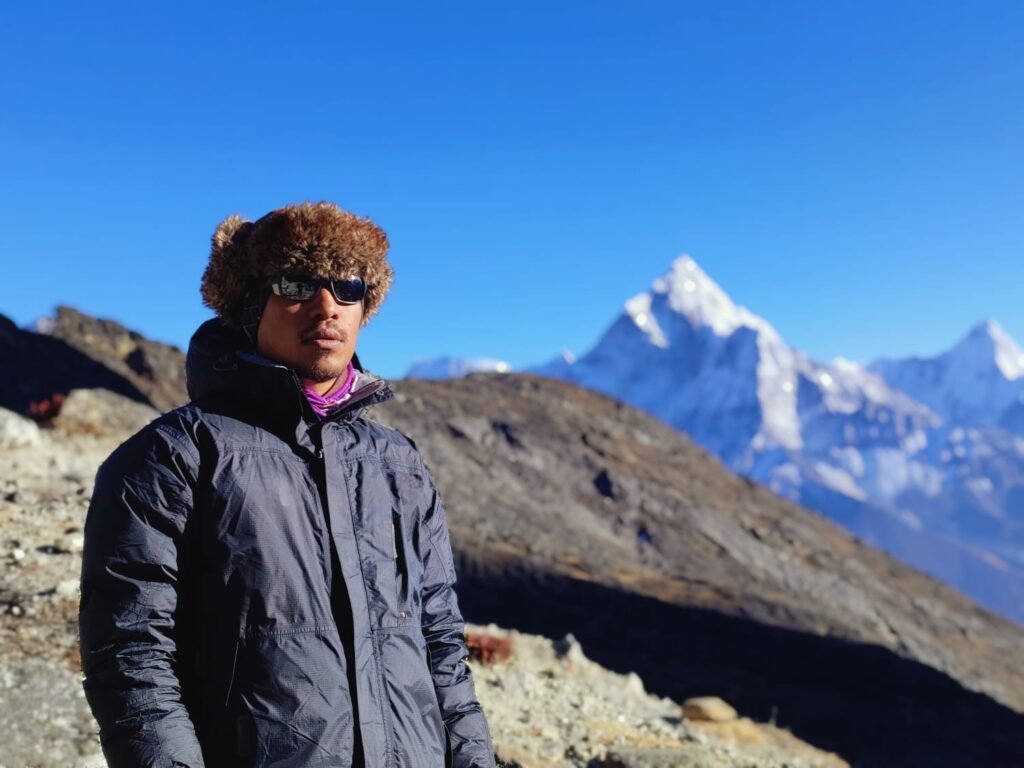


Why Autumn Is the Peak Season in Annapurna
Ask any Pokhara guide when to walk the Annapurna trails and the answer is almost always the same: come in autumn. From early October through late November the Himalayan skies are at their clearest, the monsoon humidity has been scrubbed out of the air, and the big mountains — Dhaulagiri, Annapurna I, Machhapuchhre, Manaslu — stand out with an edge that winter haze and spring dust cannot match. It is not only about views. The post-monsoon ground is stable, the rivers have dropped, the leeches are gone and the daytime temperatures sit in a comfortable band that suits long walking days without the chill of deep winter or the clammy heat of summer.
Annapurna Circuit Treks runs more fixed departures in October and November than in any other two months, because that is when trekkers from Europe, North America and Australia can travel, the weather is dependable, and the whole region — from the tea houses of Manang to the sunrise ledges of Poon Hill — is open and operating at full strength. Autumn is busy for exactly the right reasons: it is the season when Annapurna simply looks and feels its best, and the lodges, guides and supply chains that support a safe trek are all at their most reliable.
The Autumn Window: Exactly When to Go
The autumn trekking window runs from roughly the first week of October to the end of November, with a shoulder that can stretch into early December on lower routes. The very start of October can still carry a few monsoon tails — low cloud and the occasional shower in the deep valleys — so the sweet spot for high passes is mid-October through mid-November. The Thorong La at 5,416 metres and Tilicho Lake at 4,949 metres are most reliably crossable and snow-free in that middle band.
Two national festivals shape the calendar and are worth planning around. Dashain, the biggest Hindu festival in Nepal, usually falls in October; families reunite, goats are sacrificed, and many lodges and shops in the lower villages close for a few days as staff travel home. Tihar (Deepawali) follows a couple of weeks later, with rows of oil lamps, coloured rangoli and worship of crows, dogs, cows and brothers. Trekking through either is a cultural highlight, but transport out of Pokhara and Kathmandu books up, so our best-time-to-trek guide helps you pin the dates to your flight and avoid arriving mid-closure.
Weather and the Clear Skies
Autumn weather in Annapurna is governed by the retreating monsoon and the building winter high-pressure system. The result is a classic pattern: clear, cold mornings; a bright, dry day; and a thin, high haze that rarely builds into cloud until late afternoon, if at all. Rain is uncommon below 3,500 metres after the first week of October, and snow on the high passes is usually light until late November. Night skies are predominantly star-filled, which is a gift for anyone camping or sleeping in a ridge teahouse.
The trade-off is wind in the rain-shadow zones. The Kali Gandaki and the Jomsom–Muktinath corridor are famously gusty from late morning, and the Thorong La crossing is normally attempted before the wind rises, often starting around 4 am. Stable air also means stable views: the legendary Annapurna panoramas from Poon Hill, Ghandruk and the Mardi ridge are at their most reliable in these weeks, which is why our autumn packing list emphasises a warm layer for dawn viewpoints rather than heavy waterproofs, and why photographers rate autumn above every other month.
Temperatures by Altitude in Autumn
Autumn temperatures fall steadily with height, and knowing the bands stops people from either roasting in the low hills or freezing on the passes. Around Pokhara (822 m) and the roadheads (Besisahar 760 m, Beni 830 m) days run a pleasant 22–28°C and nights a mild 14–18°C. In the mid hills — Ghorepani (2,874 m), Ghandruk (2,012 m), the Marsyangdi villages — daytime is 14–20°C with nights cooling to 6–10°C.
Above 3,000 metres the season tightens its grip. Manang (3,540 m) sees days of 8–14°C and nights near or just below freezing by November. Thorong Phedi (4,500 m) and the Thorong La (5,416 m) at dawn can read -10 to -15°C with wind chill well lower, which is why the pass is crossed in the dark with head torches and down jackets. ABC at 4,130 m drops to -5 to -8°C overnight in late autumn. Packing for a 25–30°C daily swing between valley and pass is the core skill of an autumn Circuit trek, and our guides brief every group on layering before the climb begins so nobody is caught out at the top.
The Annapurna Circuit in Autumn
The Annapurna Circuit is the flagship autumn trek, and for good reason: the full loop from the Marsyangdi to the Kali Gandaki shows off every climate band the season offers, from rice terraces at 800 m to the icy Thorong La at 5,416 m. October and November give the driest tread and the clearest crossing, and the new jeep roads mean you can skip the dull road-walk sections and keep the scenic high trail — exactly how our Annapurna Circuit trek is built, with vehicle support on the paved bits and walking on the classic paths.
Autumn on the Circuit means full lodges in Manang and Muktinath, apple orchards heavy in the lower Marsyangdi, and the Dhaulagiri and Annapurna I walls lit gold at dawn from the high pastures. The one caution is crowds at the classic photo stops and the need to book the Thorong Phedi and High Camp lodges ahead in mid-November. Our Pokhara team reserves those beds in advance, so you arrive to a guaranteed mattress rather than a full house and a cold floor, and you walk the pass on a weather window rather than a waitlist.
Annapurna Base Camp Under Autumn Stars
Annapurna Base Camp sits at 4,130 m in a glacial bowl ringed by Annapurna I, Hiunchuli, Machhapuchhre and Gangapurna — and autumn is when that amphitheatre is at its most theatrical. The post-monsoon air is dry and the stars are brutal in their clarity; on a still November night the Milky Way throws a shadow on the snow. Daytime walking through the Modi Khola gorge and the rhododendron forest is comfortable, and the risk of the landslides that close lower paths in monsoon is essentially nil.
Our ABC trek package runs the Sanctuary through autumn with the Jhinu hot-spring detour as a reward after the climb. The higher you go the colder the nights, so a proper sleeping bag rated to -10°C is non-negotiable from late October. The flip side of autumn popularity is a busy lodge at Base Camp itself; we time arrivals for afternoon light and an early morning summit-ring photo before the day-trippers from the lower camps pile in, so you get the bowl to yourself for the best hour of the day.
Poon Hill and the Golden Dawn
Poon Hill (3,210 m) is the region’s most famous sunrise viewpoint, and autumn is the season it earns that reputation. From the top, Dhaulagiri, Annapurna I and Machhapuchhre turn from grey to gold to white in the space of twenty minutes, and the clear October air means the layered range behind them stays visible instead of dissolving into haze. The Ghorepani–Ghandruk loop reaching it is short (4–6 days), low and well-lodged, which makes it the perfect first Himalayan trek or a warm-up for a bigger walk.
Our Poon Hill trek package times the dawn climb for the still, cold window just before first light, when the wind is down and the colour is richest. Because the loop is easy and the season is peak, the trail and the Ghorepani teahouses are busy — but the view is worth sharing. Trekking it in autumn rather than spring means fewer leeches on the forest sections and a drier, surer path underfoot all the way to Ghandruk, where the museum and the tidy stone houses make a fine afternoon before the walk out.
Autumn Light for Photographers
If you carry a camera, autumn is the Annapurna season. The low sun angle of late October and November pours warm, directional light across the peaks for hours either side of dawn and dusk, and the cleared air keeps the contrast clean rather than washed out. The photography activity page on our site collects the best viewpoints, but the practical truth is that autumn gives you more usable light per day than any other month: crisp mornings, golden evenings, and night skies dark enough for serious astrophotography from ridge camps.
The Mardi High Camp ridge, the Poon Hill summit, the Thorong Phedi moraine and the ABC bowl are the four frames every autumn photographer chases, and all four are most reliable in this window. Carry spare batteries — cold drains them fast at altitude — and a lightweight tripod for the Milky Way shots. Our guides know the exact ledges where the first light hits Machhapuchhre, and we build extra dawn time into autumn itineraries so you are set up before the colour breaks and the tour groups arrive.
Festivals on the Trail
Autumn is festival season in the villages, and trekking through it adds a cultural layer you simply do not get in spring. Dashain and Tihar fall in October and November, and in Gurung and Magar villages you may arrive to bright gate decorations, shared feasts of meat and sel roti, and tika blessings from lodge families. In the upper Kali Gandaki, the Tibetan-influenced communities mark the season with butter-lamp offerings and, in some years, Mani Rimdu-style dances at the monasteries.
Our season overview maps which celebrations land where, so you can plan a Circuit or Poon Hill trek to pass a village on the right day. The practical note: during the few peak festival days some lower-route teahouses close as staff travel home, and buses out of Pokhara sell out. Booking your trek and your return transport through Annapurna Circuit Treks keeps you moving while families celebrate, and our guides translate the customs so you take part respectfully rather than as a spectator peering through a gate at a private rite.
Packing for Cold Autumn Nights
Autumn packing is a layering problem, not a bulk problem. The days are warm in the low hills but the high camps drop below freezing, so you need a system: a wicking base layer, a fleece or light down mid-layer, and a genuine insulated jacket for passes and dawn viewpoints. A good sleeping bag rated to at least -10°C is essential above 3,500 m from late October, and a liner adds warmth and hygiene in busy lodges.
Our full packing list covers the specifics — trekking poles for the steep stone steps, a head torch for the pre-dawn Thorong La start, UV sunglasses and high-factor cream for the intensified high-altitude sun, and a daypack with rain cover even though rain is rare. Because autumn is dry, you can leave the heavy waterproof trousers at home and carry a light shell instead. The single most common mistake we see is underestimating night cold at altitude; pack for the pass, not the trailhead, and you will sleep warm instead of shivering through a missed summit.
Crowds, Lodges and Booking Realities
Autumn is peak season, and the popular lodges at Thorong Phedi, High Camp, ABC and the Poon Hill guesthouses fill in mid-November. That is manageable with planning and miserable without it. Annapurna Circuit Treks reserves beds on the constrained nights before you leave Pokhara, and we stagger starts so our groups are not all queuing for the same dawn ledge. The community lodges on quieter routes — Khopra, Mohare Danda — stay calm even in October, if you want the season’s weather without the season’s crowds.
Permits are the other booking item. Every Annapurna trek needs the ACAP (Annapurna Conservation Area Project) permit and a TIMS card, and in autumn the Kathmandu and Pokhara offices are busy. Our season overview notes the lead times, and we arrange both permits for you as part of the booking so there is no queue on day one. Walk-in independent trekkers without a guide are still permitted on most routes, but the busy season is precisely when a reserved bed and a permit handled in advance pay for themselves many times over, turning a stressful march into a calm walk.
Acclimatisation in Stable Air
One of autumn’s quiet advantages is stable air pressure, which makes acclimatisation more predictable than in the gusty, shifting conditions of other seasons. The rule still holds: climb high, sleep low, and build rest days at Manang (3,540 m) or in the ABC approach before you push the sleeping altitude up. The HRA (Himalayan Rescue Association) clinic at Manang is fully staffed through autumn and runs free altitude talks several times a week — worth attending even if you feel fine.
Our acclimatisation strategy explains the safe slotting of rest days, and because the weather is dependable you can plan those days with confidence rather than being blown off a ridge by unexpected wind. The Thorong La is still a serious crossing, and we brief every autumn group on the symptoms of acute mountain sickness and the hard rule that the pass is turned back from if anyone is unwell — stable season or not, altitude does not negotiate, and the clear skies that make autumn beautiful do not make the thin air any thicker at the top.
Food and the Harvest Season
Autumn is harvest time in the mid hills, and the teahouse menu reflects it. The terraced fields around Ghandruk, Landruk and the Kali Gandaki are yellow with ripening rice and the orchards drop apples, pears and walnuts that show up on the table as fresh fruit, pie and the famous Marpha apple brandy in the upper valley. Dal bhat — rice, lentil soup, vegetable curry and pickle — remains the staple and is refilled free, the fuel that carries porters and trekkers alike up the passes.
In Manang and the Thakali villages toward Muktinath you will eat the local Thakali set: buckwheat, potato, spinach and the sesame-and-tomato achar that defines the region. Upper-circuit apples are at their best in October, and the tea houses press them into juice and dry them for the trail. Eating local is also the right thing to do — it supports the villages and cuts the imported-food footprint — and our guides point you to the lodges cooking from their own gardens rather than the freezedried default, so your autumn meals taste of the harvest you walked through.
The Best Sunrise Viewpoints in Autumn
Autumn gives the clearest dawns of the year, so the region’s sunrise ledges earn their reputation. Poon Hill (3,210 m) is the headline, but the Mardi High Camp ridge, the Australian Camp near Dhampus, and the Sarangkot–World Peace Pagoda line above Pokhara all deliver clean first light on the range. On a still November morning you can watch the colour travel down the Himalayas from Dhaulagiri in the west to the Lamjung Himal in the east in a single sweep.
Our sunrise viewpoints guide ranks them by effort and reward, and autumn is the month every one of them fires. The trick is position and timing: be on the ledge thirty minutes before first light, with a warm layer and a steady tripod, because the best colour lasts minutes. We build those pre-dawn starts into the plan on Poon Hill and Mardi especially, so you are set up while the air is still and the range is a clean silhouette waiting for the sun, rather than arriving after the gold has faded to white.
Safety in the Dry Season
Autumn is the safest season to trek Annapurna by most measures: the trails are dry, the rivers are low, the leeches and landslides of monsoon are gone, and the visibility for navigation is excellent. That does not make the mountains harmless. The Thorong La and the high camps are cold and exposed, altitude sickness respects no season, and the popularity of the trails can lull people into skipping basic precautions they would take in a riskier month.
Our is-Annapurna-safe guide lays out the real risks and how to manage them, and autumn is where preparation pays off most: booked lodges mean no exhausting unplanned marches to find a bed, permits handled in advance mean no frantic office runs, and a licensed guide means someone trained in altitude response is with you on the pass. Annapurna Circuit Treks carries group first-aid kits, a pulse oximeter and a clear evacuation plan on every autumn departure, because the busy season is exactly when a small problem can become a big one if nobody is watching the symptoms.
Costs and Value in Peak Season
Autumn is the most expensive time to trek Annapurna, but it is also when you get the most for the money. Lodge prices are roughly standard year-round inside the conservation area, but flights to Pokhara and Jomsom cost more and book out in October–November, and porter and guide demand pushes daily wages up slightly. A guided Circuit with permits, lodging, food and a Pokhara base typically runs from around USD 900 to 1,400 depending on length and group size; a lodge-based ABC or Poon Hill trek comes in lower.
The value case for autumn is simple: you are paying peak prices for peak conditions — clear passes, open lodges, full festivals, safe trails. Shoulder weeks in early October or late November are the sweet spot, catching the weather after the crowds thin. Annapurna Circuit Treks publishes transparent 2026 pricing with no hidden permit or booking fees, and we will tell you plainly if your dates fall in a price spike so you can shift a week and save without losing the weather or the view that brought you here in the first place.
Autumn vs Spring: Which Season to Choose
The honest answer is that autumn and spring are the two good seasons, and the choice depends on what you value. Autumn wins on clear skies, reliable high-pass crossings, stable dry tread and the big festivals; the cost is crowds and cold nights. Spring (March–May) wins on rhododendron blooms, slightly warmer days, and somewhat fewer trekkers on the marquee routes; the cost is occasional showers, more haze, and a marginally higher chance of a clouded summit.
Our spring rhododendron guide covers the bloom side in detail. For a first Circuit or a Tilicho–Thorong push, most guides point to autumn because the pass is most dependable then. For a photographer chasing red forests and willing to gamble on a view, spring is lovely. Either way, avoid the extremes — deep winter snowbounds the passes, and monsoon floods the southern slopes — so the two shoulder-good seasons are where the safe, beautiful trekking lives, and autumn is the one we recommend to most first-timers.
Best Annapurna Treks by Experience Level in Autumn
Autumn suits every level if you pick the right route. Beginners and families should target Poon Hill, the Ghandruk loop or the Australian Camp walk — low, short, well-lodged, and still delivering a golden dawn. Fit first-timers ready for altitude can take on ABC (4,130 m) or Mardi Himal (4,500 m), both reachable in a week to ten days with a sensible pace. Experienced trekkers after a real objective should take the full Circuit with Tilicho, the two-week crown of the season.
Our can-beginners-trek guide and the Circuit package help you self-select. The point of autumn is that the weather cooperates at every level, so the constraint is fitness and altitude tolerance, not conditions. We routinely run a family Poon Hill departure and a hard-core Circuit departure in the same October week, because the season is wide enough to hold both — the only mistake is overreaching your training on a route the weather would otherwise have made easy.
Getting There: Flights and Drives in Peak Season
Autumn is when the flights work best. The Kathmandu–Pokhara flight is about 25 minutes and most reliable in the clear autumn air; the Pokhara–Jomsom flight is around 20 minutes and flies most steadily in March–May and October–November, the two dry windows. Book both early, because autumn seats sell out and walk-up standbys are rare. The drive Pokhara–Besisahar is 4–5 hours on a improving road, and the overland approach to the trailhead is dependable all autumn.
Our how-to-get-there guide lays out the timings and the booking lead times. The practical autumn note: because everyone flies in October, the Pokhara ticket desks are busy and the Jomsom airstrip slots are precious, so Annapurna Circuit Treks holds your seats as part of the package. If the Jomsom flight is weathered out — rare in autumn but possible — we pivot to the road without losing a trek day, because the season’s stable weather usually gives us a next-morning window.
Photography Gear and Camera Settings for Autumn Light
Autumn light rewards preparation as much as luck. A wide-angle lens captures the full panorama from Poon Hill; a telephoto compresses the Annapurna I south face from ABC; and a fast prime handles the low dawn light without a tripod shake. Shoot in raw, expose for the highlights on snow (the peaks blow out before the foreground), and bracket if your camera allows. A lightweight travel tripod is essential for the blue-hour and Milky Way frames at the high camps.
Our photography activity page lists the signature shots, but the autumn-specific tip is to be ready at both ends of the day: the warm low sun of late October gives its best colour in the first and last hour, and the dry air keeps the range sharp. Carry more memory than you think and spare batteries in an inside pocket — cold kills them. The empty lodges of the quiet routes in early October mean you can set up a composition without a dozen tripods in frame, a small autumn privilege worth planning around.
A Sample Autumn Day on the Circuit
A typical autumn day on the Circuit starts before 6 am with a cold, clear dawn and a tin cup of tea brought by the lodge. By 7 you are walking as the first light hits the Annapurna II wall, the trail a dry line of stone steps through pine. Mid-morning is the big climb of the day, done before the thin high haze builds; by early afternoon you reach the next village — perhaps Upper Pisang at 3,300 m — and the rest of the day is tea, stretching, and a slow walk to the viewpoint before dinner.
Dinner is dal bhat by a stove that takes the evening chill off, and bed is early because the next pass starts at 4 am. That rhythm — early start, big climb before noon, long afternoon rest, early night — is the autumn Circuit’s daily shape, made possible by the dry, stable weather. It is a calm, repeatable pattern that lets you cover big altitude safely, and it is why autumn trekkers tend to finish the Circuit tired but uninjured, rather than battlin g weather they could have timed around.
Budget Reality: A Sample Autumn Cost Breakdown
To make the peak-season pricing concrete: a 14-day guided Circuit with Annapurna Circuit Treks, including ACAP and TIMS permits, lodge lodging, three meals a day, a licensed guide and a Pokhara base, typically lands around USD 1,100–1,400 depending on group size. Add international flights and your Kathmandu–Pokhara hop (from around USD 120 return), plus tips for guide and porter (budget USD 100–150). A shorter ABC or Poon Hill guided trek runs roughly USD 600–900 all-in from Pokhara.
The autumn premium over the same trek in monsoon is mostly the flight and the guide-demand bump, not the lodges — and it buys you the weather that makes the trek worth doing. Our trek-cost guide breaks the line items down so there are no surprises, and we quote a single transparent 2026 figure rather than a cheap headline that balloons with ‘extras’. Shift your dates to the early-October or late-November shoulder and you usually shed a little of that premium while keeping most of the clear-weather advantage.
Frequently Asked Questions
Is autumn really better than spring for Annapurna?
For clear views and reliable high-pass crossings, yes. Autumn gives drier tread, cleaner skies and a more dependable Thorong La crossing than spring, when occasional showers and haze appear. Spring wins on rhododendron blooms and slightly fewer crowds, but autumn is the season most trekkers and guides choose for the big Circuit and Base Camp walks.
How cold does it get at Annapurna Base Camp in autumn?
ABC at 4,130 m drops to about -5 to -8°C overnight in late autumn, with the glacial bowl radiating cold after sunset. A sleeping bag rated to -10°C and a warm layer for the pre-dawn photo are essential from late October. Daytime walking stays comfortable in the low teens Celsius, so the cold is a night-and-summit issue rather than an all-day one.
Do I need a guide in autumn?
Independent trekking is still allowed on most Annapurna routes, but in peak autumn a guide earns their fee through booked beds at full lodges, permits handled in advance, and altitude safety on the passes. Annapurna Circuit Treks runs licensed guided departures; our guide-requirement guide explains where a guide is mandatory, such as the restricted Upper Mustang and Nar-Phu areas.
Which autumn trek has the fewest crowds?
The community-lodge routes — Khopra Ridge and Mohare Danda — stay calm even in October, as do the Mardi Himal ridge and the upper Kali Gandaki toward Muktinath. The Circuit, ABC and Poon Hill are the busiest. If you want autumn weather without the queues, pick a quieter ridge and let our team build the itinerary around it.
Can I trek the Thorong La in late November?
Usually yes through mid-to-late November, with the pass crossed before dawn in cold, often windy conditions. Snow becomes more likely toward December, and the crossing gets riskier. We watch the forecast closely and build a flexible buffer day so the pass is attempted in a safe window rather than on a fixed date that happens to be stormy.
Plan Your Annapurna Adventure
The Annapurna region rewards preparation. Annapurna Circuit Treks runs fixed-departure and fully custom Annapurna treks from our Pokhara base — licensed guides, community lodges, and transparent 2026 pricing. Browse our [Annapurna trekking guides & packages](https://annapurnacircuittreks.com/annapurna-trekking-guides-packages/) or talk to a [local expert](https://annapurnacircuittreks.com/contact-us/) before you fly.
*— Annapurna Circuit Treks, Pokhara*