
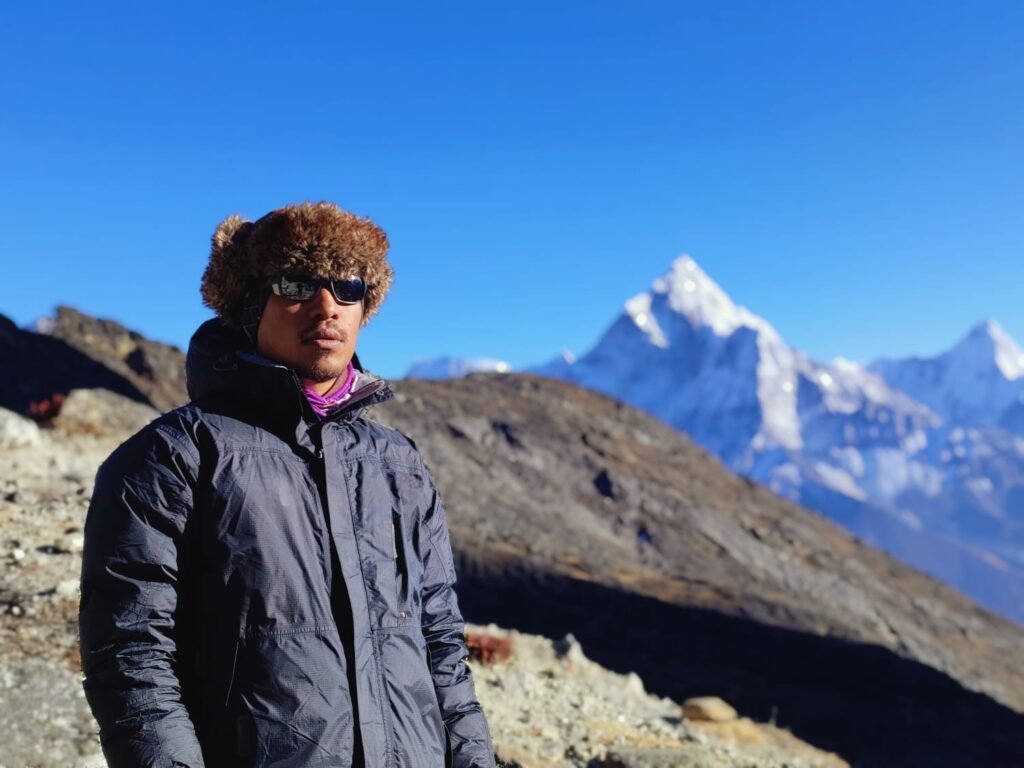


The Annapurna Circuit at a Glance
The Annapurna Circuit remains one of the most celebrated trekking routes in the world, a journey that circles the entire Annapurna massif through an extraordinary variety of landscapes, cultures and climates. Beginning in the humid lowlands around Besisahar and climbing steadily through terraced fields, rhododendron forest and high alpine desert, the trail eventually crosses the [Thorong La](/en/blog/thorong-la-passes) at roughly 5,416 metres before dropping into the arid Kali Gandaki valley. Most trekkers complete the loop in between fourteen and twenty-one days depending on pace, side trips and how many rest days they build in. Annapurna Circuit Treks runs the Circuit with licensed guides, community lodges and a paced plan that keeps acclimatisation at the front of every decision. Whether you are drawn by the big Himalayan panoramas, the Buddhist shrines and Hindu pilgrimage sites, or simply the satisfaction of a true long-distance walk, the Circuit delivers a complete Annapurna experience in a single, unforgettable journey that few other routes can match.## Why Trekkers Still Choose the Circuit
The Annapurna Circuit earned its legendary status for good reason, and even after roads reached many valleys it remains a deeply rewarding expedition. The magic lies in its diversity: in a single trek you pass from lush subtropical forest to the edge of the Tibetan plateau, sharing the trail with mule caravans and meeting Gurung, Thakali and Tibetan-origin communities along the way. The Circuit is also wonderfully flexible. You can shorten it with judicious use of transport, extend it with the [Tilicho Lake](/en/blog/tilicho-lake) detour, or add rest days in places like Manang and Muktinath that richly reward the extra time. For many walkers the cultural depth is as compelling as the mountains, with centuries-old monasteries, mani walls and the sacred temple of Muktinath all sitting directly on the route. Annapurna Circuit Treks designs each Circuit trip around your interests, so the classic loop becomes a personal journey rather than a fixed package.## The Classic Itinerary Day by Day
A typical Circuit plan begins with a drive from Pokhara to Besisahar and then onward to the trailhead at Bhulebhu, easing walkers into the rhythm of the trek with gentle riverside walking. The first week climbs through Bahundanda, Chamje and Dharapani into the broader Manang valley, with the landscape growing drier and the peaks more dramatic each day. Around day eight most groups reach Manang, the ideal place for a crucial acclimatisation day before the high country. From Manang the trail rises to Yak Kharka and Thorong Phedi, then tackles the [Thorong La](/en/blog/thorong-la-passes) in a pre-dawn start that is the physical heart of the whole trek. The descent leads to Muktinath, a pilgrimage town, before the trail follows the Kali Gandaki past Kagbeni and Jomsom. Many trekkers then fly or drive out, or continue to Tatopani and the sanctuary-side routes. Annapurna Circuit Treks can tailor this [itinerary](/en/blog/annapurna-circuit-itinerary) to your exact timeframe.## Crossing the Thorong La
The crossing of the [Thorong La](/en/blog/thorong-la-passes) is the defining moment of the Annapurna Circuit and deserves real respect. At roughly 5,416 metres it is one of the highest trekking passes in the world, and the thin air makes every step deliberate. Most groups leave Thorong Phedi or High Camp before first light, aiming to be over the top and descending by mid-morning to avoid the strong afternoon winds that whip across the pass. The climb is long and steady rather than technically difficult, but altitude is the ever-present challenge, which is why a proper acclimatisation schedule in Manang is non-negotiable. On a clear day the view from the pass is extraordinary, with the entire Annapurna and Dhaulagiri ranges spread out below. Annapurna Circuit Treks builds in extra rest where needed and carries oxygen and a stretcher protocol on every Circuit trip, because safety on this pass is something we never leave to chance.## The Tilicho Lake Side Trip
For trekkers with extra days, the [Tilicho Lake](/en/blog/tilicho-lake) detour is one of the finest additions to the Circuit. Sitting at about 4,919 metres, Tilicho is among the highest large lakes on earth, a turquoise mirror set beneath a wall of snow peaks that feels almost otherworldly. The side trip branches off near Khangsar and involves a demanding day of climbing to the lake and back, or an overnight at the basic lodge beside it. The route also opens a more adventurous crossing over the Mesokanto La for those who want a quieter alternative to the standard Thorong La, though this demands a fully self-sufficient approach and an experienced guide. Annapurna Circuit Treks recommends Tilicho only for trekkers who are already well acclimatised and have the buffer days to spare. Done well, it is the kind of sight that lingers in memory long after the trek itself has ended.## Choosing Your Seasons
Timing shapes everything on the Circuit, and understanding the [best time to trek](/en/blog/best-time-to-trek-annapurna) is the first planning decision you should make. Spring, from March to May, brings warm days, blooming rhododendrons and generally stable weather, though the pass can still be cold. Autumn, from late September to November, is the classic window, with crystal-clear views and the most reliable conditions for crossing the [Thorong La](/en/blog/thorong-la-passes). Winter is quiet and cold, with snow often closing the pass, while the summer monsoon brings leeches in the lowlands and clouded views up high. Annapurna Circuit Treks helps you weigh these trade-offs against your leave dates and your appetite for solitude versus social trail life. Whatever you choose, building flexibility into the [itinerary](/en/blog/annapurna-circuit-itinerary) lets you adapt to the [weather](/en/blog/annapurna-weather) rather than fighting it, which is the mark of a well-planned Himalayan trek.## Permits and the Conservation Area
Every Circuit trekker needs the right paperwork before setting foot on the trail, and the [trekking permits](/en/blog/annapurna-circuit-permits) are straightforward once you know the system. The Annapurna region sits inside the Annapurna Conservation Area, so all walkers must carry an ACAP entry permit, and foreign nationals also need a TIMS card that records their route for safety. These are obtained in Pokhara or Kathmandu, and Annapurna Circuit Treks handles the paperwork for every client so there are no surprises at the checkpoints. The fees fund trail maintenance, ranger posts and community projects, so buying them is also a small act of [responsible tourism](/en/blog/responsible-tourism-annapurna). Carry both permits at all times, because staff check them at several points along the route, especially around Manang and the upper valley. Knowing the [conservation area](/en/blog/annapurna-conservation-area) rules, such as the ban on certain single-use plastics, keeps you compliant and the mountains cleaner.## Acclimatisation and Staying Safe
Altitude is the single biggest risk on the Circuit, which is why [acclimatisation](/en/blog/acclimatisation-tips) deserves a central place in your plan. The golden rule is to climb high and sleep low, and to add rest days whenever your body asks for them. Manang and Muktinath are the natural places to pause, and a day spent walking to a viewpoint and returning to sleep low does more for your body than pushing blindly upward. Recognising the early signs of [altitude sickness](/en/blog/altitude-sickness) – headache, poor appetite, breathlessness at rest – lets you act before it becomes serious, and the descent is always the cure. Annapurna Circuit Treks trains every guide in altitude response and carries a pressure bag and supplemental oxygen on Circuit trips. Our [safety](/en/blog/annapurna-trek-safety-tips) protocol means a worried trekker is never told to push on; the mountain will wait, and your wellbeing comes first every single time.## Difficulty, Fitness and Who It Suits
The Circuit is graded as strenuous rather than technical, which means the challenge is endurance and altitude rather than scrambling or rope work. A reasonably fit walker who trains with hills and long days beforehand will cope well, and there is no need for previous trekking experience if you prepare and pace yourself. The long days and the [Thorong La](/en/blog/thorong-la-passes) crossing make it less suitable as a first-ever trek for complete novices, but [beginner trekkers](/en/blog/can-beginners-trek-annapurna-circuit) with a few weekend hikes behind them manage it comfortably with our guides. Families with older children, [senior trekkers](/en/blog/senior-friendly-annapurna-treks) who stay active, and those marking a [honeymoon](/en/blog/honeymoon-in-the-himalayas-annapurna) all trek the Circuit with us each season. Annapurna Circuit Treks adjusts the daily distances and rest days to the group, proving that this iconic route is far more accessible than its reputation suggests when the plan is built around real people.## What to Pack for the Circuit
A smart [packing list](/en/blog/annapurna-packing-list) for the Circuit covers two extremes, because you begin in warmth and finish near the roof of the world. Layered clothing is essential: a wicking base layer, an insulating fleece or down, and a waterproof shell that shrugs off wind and rain. Strong broken-in boots, a warm sleeping bag rated for below freezing, sunglasses and high-SPF sunscreen protect against the intensity of high-altitude sun and cold. Trekking poles ease the long descents, and a refillable bottle with purification saves money while cutting [single-use plastic](/en/blog/reducing-plastic-annapurna-trail). Annapurna Circuit Treks sends every client a detailed kit list tailored to the season, and we can rent or source quality gear in Pokhara before you leave. Packing light but completely is a skill our guides are happy to teach, because a well-packed bag makes every day on the trail noticeably easier and safer.## Food, Lodges and the Teahouse Life
The Circuit runs almost entirely on teahouses, the family-run lodges that define trekking in Nepal, and the [food on the trail](/en/blog/annapurna-food) is heartier and more varied than many expect. Dal bhat, the lentil and rice staple, is the fuel of choice and rightly famous for refilling energy, while menus also offer noodles, pasta, potato dishes, soup and occasional treats like apple pie in the higher Thakali settlements. Annapurna Circuit Treks favours [comfortable teahouses](/en/blog/comfortable-teahouse-annapurna) with clean rooms, decent blankets and reliable cooking, and we pre-book where the trail gets busy. Eating together in the lodge dining room, sharing stories with other trekkers and the host family, is a highlight in its own right. Vegetarians are easily catered for, and our guides help you choose safe, cooked meals that keep your stomach steady through the demanding high-altitude days ahead.## Annapurna Circuit Versus Everest
Many trekkers ask how the Circuit compares with the famous Everest region, and the [Circuit versus Everest](/en/blog/annapurna-circuit-vs-everest-base-camp) question usually comes down to variety and access. The Circuit packs more ecological and cultural range into a single walk, swinging from jungle to desert to glaciated passes, whereas Everest is a more singular alpine experience centred on one legendary peak. The Circuit also begins and ends closer to Pokhara with easier logistics and generally lower costs, while Everest requires the dramatic but pricey flight into Lukla. Both deliver stupendous mountains, but the Circuit’s loop format and the [Thorong La](/en/blog/thorong-la-passes) give it a sense of true circumambulation that many find more rewarding. Annapurna Circuit Treks runs both regions and will happily help you choose based on your timeframe, budget and the kind of journey you imagine, because the right trek is the one that fits your life.## Annapurna Circuit Versus Manaslu
The [Circuit versus Manaslu](/en/blog/annapurna-circuit-vs-manaslu) comparison is worth a thought for trekkers seeking something a little wilder. Manaslu, just to the east, is a restricted area requiring a special permit and a minimum group size, which keeps numbers low and the wilderness feel strong. The Circuit, by contrast, is more developed, with a denser teahouse network and easier resupply, making it the more comfortable choice for most. Manaslu offers a quieter, more remote crossing at Larkya La, while the Circuit offers the [Tilicho Lake](/en/blog/tilicho-lake) option and the cultural spread of the Kali Gandaki. Annapurna Circuit Treks can combine elements of both on longer expeditions for those with the time. For a first big Himalaya trek with reliable infrastructure and unbeatable variety, the Circuit remains our default recommendation, with Manaslu reserved for return visitors chasing solitude.## Understanding the Real Cost
Budgeting honestly is part of good planning, and the [trek cost](/en/blog/annapurna-circuit-trek-cost) of the Circuit spreads across several heads. Permits, guide and porter wages, teahouse lodging and meals, transport to and from the trail, and your personal snacks and charges all add up, with the biggest variable being whether you trek independently or with a full-service operator. Annapurna Circuit Treks quotes all-in prices that remove the guesswork, and we are transparent about what is included versus optional. A teahouse Circuit typically costs a fraction of a camping expedition, and travelling in a small group lowers the per-person rate. We advise clients to keep a contingency for hot showers, battery charging and the occasional flight if weather disrupts the road or airstrip. Knowing the true [trek cost](/en/blog/annapurna-circuit-trek-cost) upfront means you can relax and enjoy the mountains instead of counting rupees at every stop.## Travel and Responsible Trekking
Getting to the Circuit is straightforward from Pokhara, our home base, with a scenic drive to the trailhead that itself showcases Nepal’s varied countryside, and we can arrange [4×4 transfers](/en/blog/4×4-overland-annapurna) for comfort on the rougher sections. Once on the trail, [responsible tourism](/en/blog/responsible-tourism-annapurna) is something we practise rather than preach: we use community lodges, hire local guides and porters, and follow the conservation rules that protect the [conservation area](/en/blog/annapurna-conservation-area). Simple habits – carrying out your rubbish, refusing [single-use plastic](/en/blog/reducing-plastic-annapurna-trail), respecting monasteries and asking before photographing people – make a real difference to the valleys we cross. Annapurna Circuit Treks also supports local schools and trail projects, so your trip directly helps the communities that host you. Trekking here is a partnership with the land and its people, and the most memorable journeys are the ones that give back as much as they take.## Beginning in Pokhara
Pokhara is the natural launch pad for the Annapurna Circuit, a lakeside city beneath the Annapurna range that blends easy logistics with a relaxed pre-trek atmosphere. Annapurna Circuit Treks is based here, which means your briefing, gear check and permit handover all happen in one place before you roll out toward the mountains. Spending a night or two in Pokhara lets you acclimatise slightly, sort last-minute kit and enjoy the views over Phewa Lake with the peaks mirrored in the water. From here the drive to Besisahar and the trailhead is a half-day to a full day depending on road conditions, and we handle every transfer. Beginning in Pokhara rather than Kathmandu also saves time and altitude confusion, letting you start walking sooner and fresher, which is exactly how we like to send our Circuit trekkers into the hills.## Final Thoughts
The Annapurna Circuit is more than a trek; it is a full immersion in the geography, faith and friendship of the central Himalayas, a route that has inspired decades of walkers and still delivers something genuinely profound. From the first terraced fields to the wind-scoured top of the [Thorong La](/en/blog/thorong-la-passes), every day asks something of you and gives back far more in return. Annapurna Circuit Treks is proud to guide this journey from our base in Pokhara, with licensed leaders, community lodges and a safety-first ethos that lets you focus on the experience. However you shape your [itinerary](/en/blog/annapurna-circuit-itinerary), whether with the [Tilicho Lake](/en/blog/tilicho-lake) detour or a quiet rest in Manang, the Circuit will challenge and reward you in equal measure. Come prepared, tread lightly and the mountains will do the rest, leaving you with stories you will tell for the rest of your life.
Plan Your Annapurna Adventure
Annapurna Circuit Treks is a Pokhara-based operator run by Anish Maharjan, specialising in the Annapurna region. Every trip uses licensed guides, community lodges and a paced plan that puts safety and the local valley first. Tell us your dates, your fitness and the experience you want, and we return a trip built around you. Contact us and let’s plan the Annapurna that fits.
*Related reading: see our [Pillar Guide to the Annapurna Circuit](/en/blog/the-complete-guide-to-annapurna-circuit-trek), the [best day hikes around Pokhara](/en/blog/best-day-hikes-around-pokhara), and [how trekking supports communities](/en/blog/how-trekking-supports-communities).*
Related reading: Is Annapurna Trek Safe? Complete Annapurna Trek Safety Guide for First-Time & Experienced Trekkers | Annapurna Circuit trek vs Annapurna Base Camp – Which Trek is Right for You? | Annapurna Base Camp Trek Experience: A Journey to the Heart of the Himalayas | Annapurna Circuit with Tilicho Lake Trek – 13 Days: Full Itinerary & Guide