
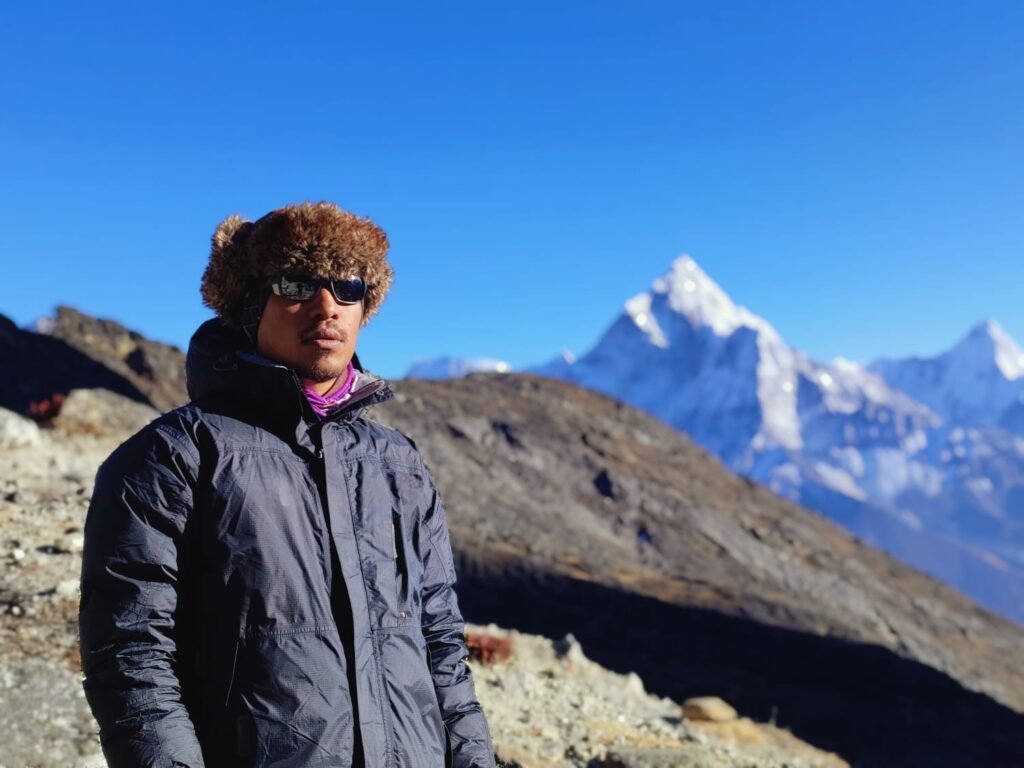


The Circuit and Tilicho at a Glance
The Annapurna Circuit with Tilicho Lake is the classic loop around the Annapurna massif extended by one of the highest large lakes on earth, a combination that gives trekkers both the drama of a high pass and the serenity of a glacial lake. The standard route climbs from the subtropical lowlands near Besisahar through terraced villages into the dry Manang valley, pauses for acclimatisation, detours to [Tilicho Lake](/en/blog/tilicho-lake) at about 4,949 metres, and then crosses the [Thorong La](/en/blog/thorong-la-passes) at roughly 5,416 metres before descending into the Kali Gandaki. Most walkers complete the extended version in between sixteen and twenty-two days depending on rest days and side trips. Annapurna Circuit Treks runs this route with licensed guides, community lodges and a paced plan that keeps altitude gain gentle. For trekkers who want the full Annapurna story in one journey, the Circuit plus Tilicho is the most complete and rewarding version of the legendary walk.## Why Add Tilicho to the Circuit
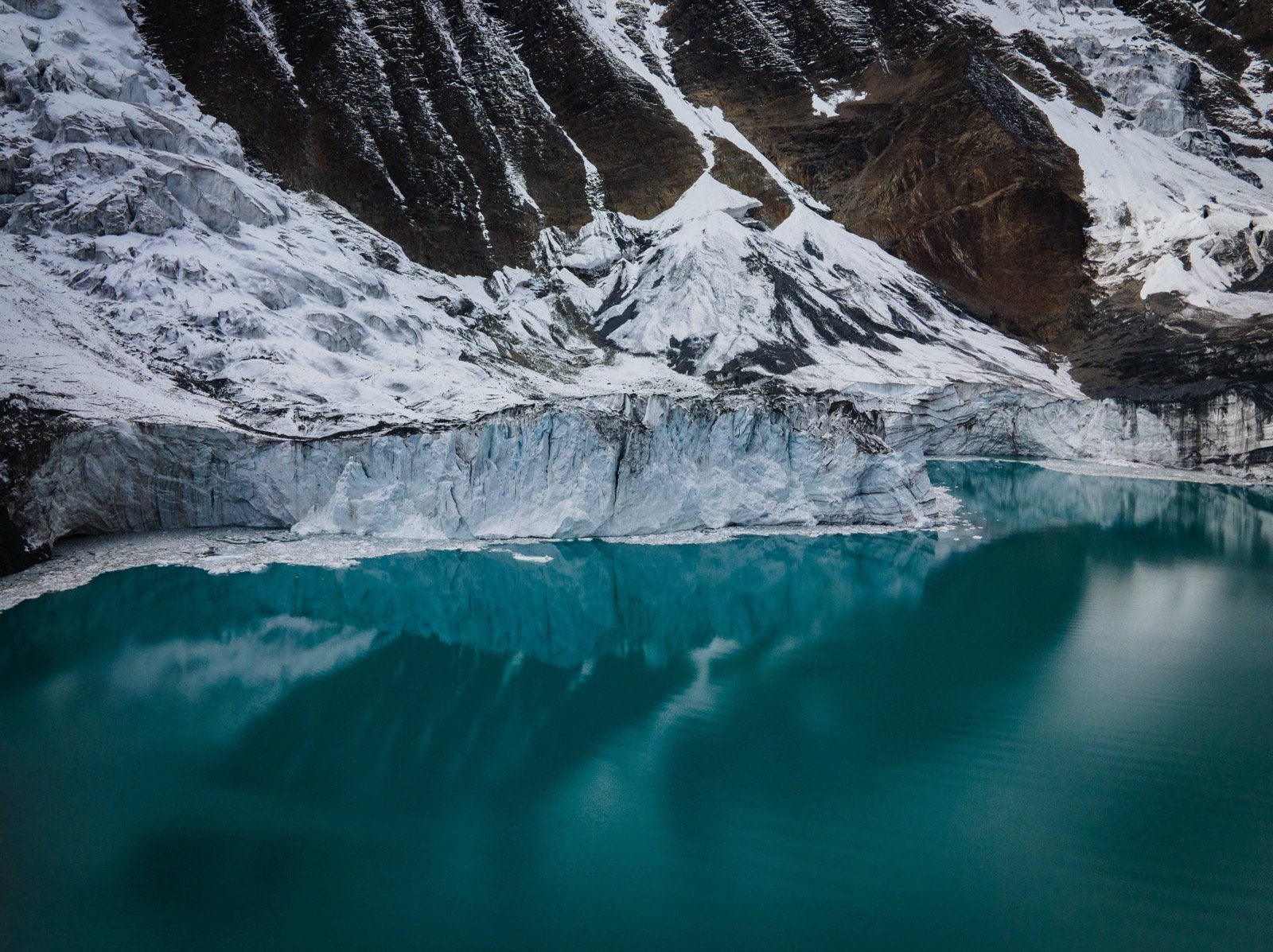
Adding Tilicho Lake to the Circuit is the difference between a great trek and a genuinely unforgettable one, because the lake sits in a setting so stark and beautiful that it reframes the whole journey. At about 4,949 metres Tilicho is one of the highest large bodies of water on the planet, a turquoise mirror cradled beneath a wall of snow peaks that includes Tilicho Peak and the northern Annapurna face. The detour also breaks up the long climb to Thorong La, giving your body extra days at altitude before the big pass. Many trekkers find the quiet hours beside the lake, with the wind off the glacier and not another sound, to be the emotional peak of the trip. Annapurna Circuit Treks recommends the Tilicho addition for anyone with the buffer days, because it deepens both the scenery and the acclimatisation, and it costs little beyond time and effort.## The Route from Besisahar to Manang
The walk begins with a drive from Pokhara to the trailhead, then follows the Marsyangdi River upward through a changing world of forest, farmland and finally alpine desert. The early days pass Bahundanda, Chamje and Dharapani, where the valley broadens and the peaks close in, before reaching the Tibetan-influenced villages of the upper Manang district. Each day gains a measured amount of altitude, and the trail is well supplied with teahouses, so the walking itself is never technical. Annapurna Circuit Treks builds the [itinerary](/en/blog/annapurna-circuit-itinerary) so the first week eases you into the rhythm of long days and early nights. By the time you reach Manang at around 3,540 metres you have climbed through several climate zones and met Gurung, Tamang and Tibetan-origin communities, all of which prepares both legs and lungs for the high country that lies beyond the next ridge.## Manang: The Acclimatisation Hub
Manang, sitting at roughly 3,540 metres, is the single most important acclimatisation stop on the entire Circuit, and on the Tilicho version it becomes the launch pad for the lake as well. A proper rest day here is not laziness but strategy, because the body needs time to manufacture extra red blood cells before it faces 4,900 metres and beyond. The classic acclimatisation walk climbs toward Gangapurna Lake or the viewpoint at Chongkor, gaining height and returning to sleep low, which is exactly the climb-high-sleep-low principle that prevents [altitude sickness](/en/blog/altitude-sickness). Annapurna Circuit Treks uses Manang to assess every client and adjust the plan if anyone is struggling. With bakeries, a Himalayan rescue post and sweeping views of the Annapurna range, Manang is also a pleasant place to pause and let the mountains work their slow magic.## The Tilicho Lake Detour Day by Day
The Tilicho detour branches off the main trail near Khangsar and is usually done as an overnight, with a basic lodge at Tilicho Base Camp around 4,150 metres, or as a long day return from Manang for the very fit. The path climbs steadily through a landscape that grows barer and more lunar with every hour, passing the abandoned village of Khangsar and a seasonal checkpoint before the final steep pull to the lakeshore. Annapurna Circuit Treks favours the overnight option because it lets you reach the lake in the calm of early morning light and gives the body a gentler altitude curve. The return drops back to Khangsar and rejoins the Circuit, after which the trail continues toward Thorong Phedi. Trekkers should only attempt Tilicho when already well acclimatised in Manang, because the lake sits higher than many passes and the thin air is unforgiving of a rushed approach.## Standing at Tilicho Lake
There is no easy way to describe the first sight of Tilicho Lake, because the combination of altitude, silence and scale produces a kind of awe that words only gesture at. The water lies still and impossibly blue against a backdrop of ice and rock, and on a clear morning the reflection of the surrounding peaks doubles the mountains in the surface. At about 4,949 metres the air is thin enough that every step along the shore is deliberate, and the cold bites even in spring. Annapurna Circuit Treks builds in time to simply sit and absorb the place rather than rushing the photo and leaving. Pilgrims from both Hindu and Buddhist traditions regard the lake as sacred, and that sense of reverence is easy to feel standing alone at the edge of such a remote sheet of water. It is a moment trekkers carry home long after the Circuit itself has faded into memory.## Crossing the Thorong La
After Tilicho the trail regroups and pushes toward the [Thorong La](/en/blog/thorong-la-passes), the high point of the whole Circuit at roughly 5,416 metres and one of the highest trekking passes on earth. Most groups leave Thorong Phedi or High Camp before dawn, headlamps bobbing, aiming to be over the top and descending before the strong midday winds arrive. The climb is long and steady rather than technical, but the altitude makes every breath a conscious act, which is precisely why the Tilicho and Manang acclimatisation days matter so much. On a clear morning the view from the pass is staggering, with the entire Annapurna and Dhaulagiri ranges laid out below. Annapurna Circuit Treks carries supplemental oxygen and a pressure bag on every Circuit trip and never pushes a client who is struggling, because the descent is the cure for altitude and the mountain will always wait for another day.## Descending to Muktinath
The descent from Thorong La drops into the Kali Gandaki watershed and reaches Muktinath, a sacred town that draws Hindu and Buddhist pilgrims from across the Himalaya. At around 3,800 metres the air feels thick and forgiving after the pass, and the temples, eternal flames and hundred waterspouts of the shrine complex offer a cultural and spiritual counterpoint to the morning’s exertion. Many trekkers spend a night here to rest and reflect, and the town has good lodges and the famous apple products of the region. Annapurna Circuit Treks builds Muktinath into the [itinerary](/en/blog/annapurna-circuit-itinerary) as both a rest and a highlight, because the meeting of faiths at this wind-scoured place is one of the Circuit’s defining experiences. From here the trail follows the great Kali Gandaki gorge, the deepest in the world, toward the lower towns of the south.## The Kali Gandaki and Jomsom
Below Muktinath the route enters the Kali Gandaki valley, a stark and beautiful river corridor flanked by the immense walls of Dhaulagiri to the west and Annapurna to the east, with Jomsom as its windy administrative hub. This is Thakali country, known for its hospitable lodges and excellent food, and the lower you drop the warmer the land becomes. Trekkers can walk to Tatopani and its hot springs or take a flight or [4×4 transfer](/en/blog/4×4-overland-annapurna) from Jomsom to shorten the exit. Annapurna Circuit Treks helps you decide based on time and energy. The contrast between the high desert of Mustang and the green terraces near the river is one of the pleasures of this final stretch, a reminder of how much vertical world the Circuit compresses into a single journey.## Best Time and Weather
Timing is the first decision on any Tilicho Circuit, and the [best time to trek](/en/blog/best-time-to-trek-annapurna) is autumn, from late September to November, when the monsoon has cleared and the views are reliably spectacular for both the lake and the pass. Spring, from March to May, is the second window, bringing warmer days and blooming rhododendrons, though the Thorong La can still be bitterly cold at night. Winter closes the high pass with snow and makes Tilicho a serious undertaking, while the summer monsoon brings leeches low down and clouded views up high. Annapurna Circuit Treks weighs these trade-offs against your leave dates and your appetite for solitude. Building flexibility into the [itinerary](/en/blog/annapurna-circuit-itinerary) lets you adapt to the [weather](/en/blog/annapurna-weather) rather than fighting it, which is the mark of good Himalayan planning.## Permits and the Conservation Area
Every trekker on this route needs the right paperwork, and the [trekking permits](/en/blog/annapurna-circuit-permits) are simple once you know the system. The Annapurna region lies inside the Annapurna Conservation Area, so all walkers must carry an ACAP entry permit, and foreign nationals also need a TIMS card that records the route for safety. These are issued in Pokhara or Kathmandu, and Annapurna Circuit Treks handles the paperwork for every client so there are no surprises at the checkpoints around Manang, Muktinath and the upper valley. The fees fund trail maintenance, ranger posts and community projects, so buying them is also a small act of [responsible tourism](/en/blog/responsible-tourism-annapurna). Carry both permits at all times, because staff check them repeatedly, and learn the [conservation area](/en/blog/annapurna-conservation-area) rules, such as the restrictions on certain single-use plastics, which keep you compliant and the mountains cleaner for the next walker.## Acclimatisation and Altitude Safety
Altitude is the central risk on the Tilicho Circuit, which is why [acclimatisation](/en/blog/acclimatisation-tips) sits at the heart of every safe plan. The golden rule is to climb high and sleep low, adding rest days whenever the body asks, and Manang plus the Tilicho overnight give you exactly that buffer. Recognising early signs of [altitude sickness](/en/blog/altitude-sickness) – headache, poor appetite, breathlessness at rest – lets you act before it becomes dangerous, and descending is always the cure. Annapurna Circuit Treks trains every guide in altitude response and carries a pressure bag and supplemental oxygen on Circuit trips, so a worried trekker is never told to push on. Our [safety](/en/blog/annapurna-trek-safety-tips) protocol puts wellbeing first every single time, because the mountains are permanent and patient while a trekker’s health is fragile, and the right call is almost always to descend, rest and try again tomorrow.## Packing for Two Extremes
A smart [packing list](/en/blog/annapurna-packing-list) for the Tilicho Circuit covers two extremes, because you begin in warmth and finish near the roof of the world. Layered clothing is essential: a wicking base layer, an insulating fleece or down jacket, and a waterproof shell that shrugs off wind and snow. Strong broken-in boots, a sleeping bag rated for below freezing, glacier-grade sunglasses and high-SPF sunscreen protect against the intensity of high-altitude sun and cold. Trekking poles ease the long descents, and a refillable bottle with purification cuts [single-use plastic](/en/blog/reducing-plastic-annapurna-trail) and cost. Annapurna Circuit Treks sends every client a detailed kit list tailored to the season and can rent or source quality gear in Pokhara before departure. Packing light but completely is a skill our guides are happy to teach, because a well-packed bag makes every day on the trail noticeably easier and safer when the weather turns.## Food and Teahouse Life
The Circuit runs almost entirely on teahouses, the family-run lodges that define trekking in Nepal, and the [food on the trail](/en/blog/annapurna-food) is heartier and more varied than many expect. Dal bhat, the lentil and rice staple, is the fuel of choice and famously refills energy, while menus also offer noodles, pasta, potato dishes, soup and the apple pie for which the Thakali settlements are known. Annapurna Circuit Treks favours [comfortable teahouses](/en/blog/comfortable-teahouse-annapurna) with clean rooms and reliable cooking, pre-booking where the trail gets busy around Manang and Muktinath. Eating together in the lodge dining room, sharing stories with other trekkers and the host family, is a highlight in its own right, and vegetarians are easily catered for. Our guides help you choose safe, cooked meals that keep your stomach steady through the demanding high-altitude days, because a settled gut is as important as strong legs up here.## Cost of the Extended Circuit
Budgeting honestly is part of good planning, and the [trek cost](/en/blog/annapurna-circuit-trek-cost) of the Tilicho Circuit spreads across several heads. Permits, guide and porter wages, teahouse lodging and meals, and transport to and from the trail all add up, with the biggest variable being whether you trek independently or with a full-service operator. Annapurna Circuit Treks quotes all-in prices that remove the guesswork and is transparent about what is included versus optional. A teahouse Circuit with the Tilicho detour typically costs a fraction of a camping expedition, and travelling in a small group lowers the per-person rate. We advise keeping a contingency for hot showers, battery charging, the occasional flight if weather disrupts the road, and tips for staff. Knowing the true [trek cost](/en/blog/annapurna-circuit-trek-cost) upfront means you can relax and enjoy the mountains instead of counting rupees at every teahouse stop along the way.## Why Trek with Annapurna Circuit Treks
Annapurna Circuit Treks is a Pokhara-based operator run by Anish Maharjan, and the Tilicho Circuit is one of our signature routes because it rewards the careful, paced approach we specialise in. Every trip uses licensed guides, community lodges and a plan that puts [safety](/en/blog/annapurna-trek-safety-tips) and the local valley first, and we handle permits, transport and gear checks so you can focus on the experience. Our guides know the Manang and Tilicho conditions intimately, from the best hours to be at the lake to the warning signs of altitude that mean turning back. We also practise [responsible tourism](/en/blog/responsible-tourism-annapurna) by hiring local staff and using community lodges, so your trip directly supports the villages that host you. Tell us your dates, your fitness and the experience you want, and we return a Circuit built around you rather than a fixed package, which is exactly how a journey this personal should be planned.## Final Thoughts
The Annapurna Circuit with Tilicho Lake is the most complete version of one of the world’s great treks, a journey that circles a whole massif and then adds a high glacial lake that few routes can match. From the first terraced fields to the wind-scoured top of the [Thorong La](/en/blog/thorong-la-passes) and the still blue of [Tilicho Lake](/en/blog/tilicho-lake), every day asks something of you and gives back far more in return. Annapurna Circuit Treks is proud to guide this journey from our base in Pokhara, with licensed leaders, community lodges and a safety-first ethos that lets you focus on the mountains. However you shape your [itinerary](/en/blog/annapurna-circuit-itinerary), the combination of pass and lake will challenge and reward you in equal measure. Come prepared, tread lightly and the Himalaya will do the rest, leaving you with stories you will tell for the rest of your life.
Plan Your Annapurna Adventure
Annapurna Circuit Treks is a Pokhara-based operator run by Anish Maharjan, specialising in the Annapurna region. Every trip uses licensed guides, community lodges and a paced plan that puts safety and the local valley first. Tell us your dates, your fitness and the experience you want, and we return a trip built around you. Contact us and let’s plan the Annapurna that fits.
*Related reading: see our [Pillar Guide to the Annapurna Circuit](/en/blog/the-complete-guide-to-annapurna-circuit-trek), the [best day hikes around Pokhara](/en/blog/best-day-hikes-around-pokhara), and [how trekking supports communities](/en/blog/how-trekking-supports-communities).*
Related reading: 15 Days Annapurna Circuit & Tilicho Lake Trek | Annapurna Circuit trek vs Annapurna Base Camp – Which Trek is Right for You? | Is Annapurna Trek Safe? Complete Annapurna Trek Safety Guide for First-Time & Experienced Trekkers | 7 Days 4×4 Drive to Manang & Tilicho Lake