
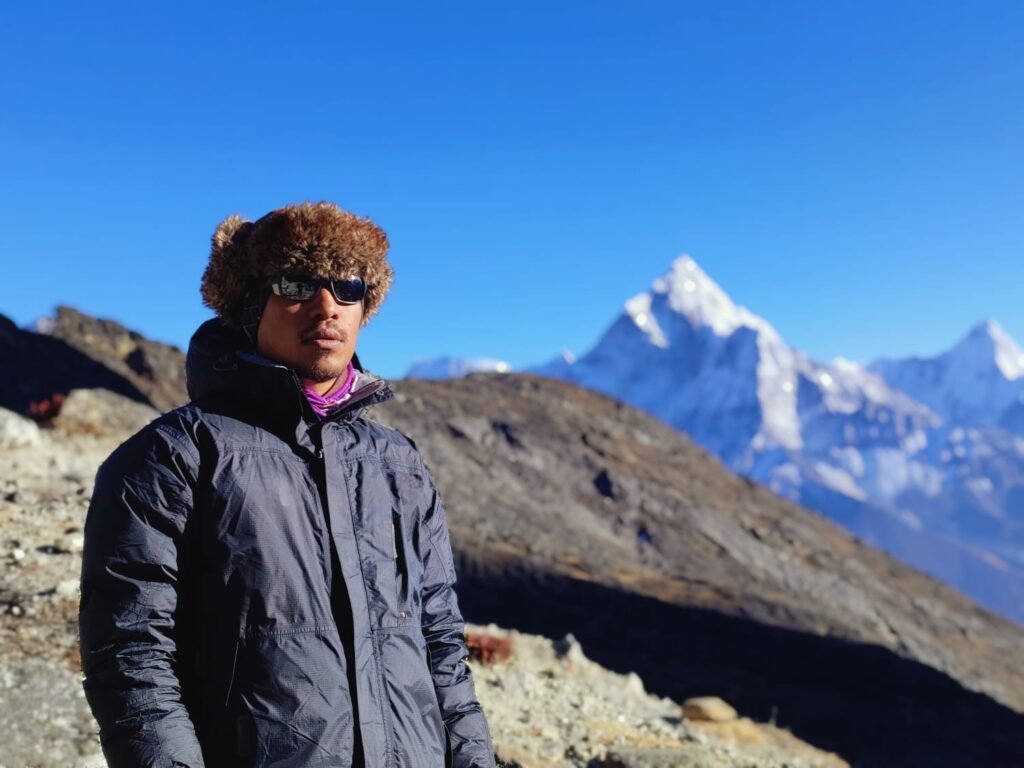


# Gurung & Thakali Culture in the Annapurna Region – People, Food, and Tradition on the Trek
Two Peoples, One Trail – The Cultural Spine of Annapurna
The Annapurna trekking routes pass through one of the most culturally layered corridors in the Himalaya, and at its heart are two peoples: the Gurung of the southern and middle hills, and the Thakali of the Kali Gandaki valley and the arid north. Walk the Circuit or the Ghorepani-Poon Hill route and you move from Gurung villages of stone and terrace through Magar country and into Thakali and Tibetan-influenced settlements toward Mustang. Understanding these communities is understanding half of what makes an Annapurna trek memorable.
Annapurna Circuit Treks is a Pokhara-based, locally owned operator, and our guides come from these very communities – so the culture on our trips is lived, not performed. This guide walks the Gurung and Thakali worlds: where they live, what they believe, what they eat, and how you can meet them respectfully. Our [Gurung and Magar villages guide](https://annapurnacircuittreks.com/gurung-magar-villages-annapurna/) and [Thakali culture guide](https://annapurnacircuittreks.com/thakali-culture-kali-gandaki/) are the dedicated resources, and the [Manang and Mustang guide](https://annapurnacircuittreks.com/manang-mustang-annapurna-circuit-trek-nepal/) covers the Tibetan north that borders both. For a structured cultural experience, see our [cultural heritage tour](https://annapurnacircuittreks.com/activities/annapurna-cultural-heritage-tour/).
Who Are the Gurung?
The Gurung are one of Nepal’s principal middle-hill peoples, concentrated in the Annapurna and neighbouring ranges around Ghandruk, Dhampus, and the Modi Khola valley. Historically yak- and sheep-herders and traders, they are today well known as elite Gurkha soldiers who have served in the British and Indian armies for two centuries – a tradition that has shaped Gurung identity, economy, and the stone-built villages you walk through.
Gurung society is organised around clans and a rich oral tradition of songs and dances tied to the agricultural year. The [Gurung villages guide](https://annapurnacircuittreks.com/gurung-magar-villages-annapurna/) maps the key settlements, and the [Ghandruk family loop](https://annapurnacircuittreks.com/trip/8-days-ghandruk-loop-trek-child-friendly-family-itinerary/) is the easiest way to stay in one. The [family trek guide](https://annapurnacircuittreks.com/annapurna-with-kids-family-trek/) and [senior-friendly treks guide](https://annapurnacircuittreks.com/senior-friendly-annapurna-treks/) show how these gentle, lower routes suit all ages. The [homestay guide](https://annapurnacircuittreks.com/homestay-experiences-annapurna/) lets you sleep in a Gurung home rather than a lodge.
Gurung Villages – Ghandruk, Dhampus, and the Stone Houses
Gurung villages are architectural statements: slate-roofed, stone-walled houses clustered tight against the hillside, with narrow lanes, communal water taps, and terraced fields stepping down to the river. Ghandruk (about 2,012 m) is the showpiece – a large, immaculate Gurung village with a museum of Gurung heritage, a monastery, and a wide Annapurna South vista. Dhampus and Australian Camp (around 2,100 m) sit on the ridge above Pokhara with sunset views over the range.
These villages are the social heart of the lower Annapurna, and staying in one is the fastest way to feel Gurung warmth. The [Australian Camp walk guide](https://annapurnacircuittreks.com/australian-camp-dhampus-walk/) is a short intro from Pokhara; the [Poon Hill guide](https://annapurnacircuittreks.com/ghorepani-poon-hill-trek-guide/) passes through Gurung and Magar hamlets; and the [Ghandruk loop](https://annapurnacircuittreks.com/trip/8-days-ghandruk-loop-trek-child-friendly-family-itinerary/) is built for a relaxed, child-friendly pace. The [teahouse etiquette guide](https://annapurnacircuittreks.com/most-photographed-teahouses-annapurna/) helps you be a good guest in a Gurung home.
Gurung Religion – Buddhism, Animism, and the Ancestors
Most Gurung practise a form of Buddhism blended with older animist and ancestor-worshipping traditions. The priestly caste, the lamas and the jhankris (shamans), mediate between the living and the spirit world, and village life is punctuated by rituals for planting, harvest, and the passage of the dead. You will see mani walls, chortens, and small shrines along every trail, and hear the spin of prayer wheels in the gompas.
The [monastery stays guide](https://annapurnacircuittreks.com/monastery-stays-annapurna/) explains how travellers can respectfully observe or join a puja, and the [festivals guide](https://annapurnacircuittreks.com/festivals-annapurna-villages/) calendars the Buddhist and Hindu celebrations you might catch. The [meditation treks guide](https://annapurnacircuittreks.com/meditation-wellness-treks-annapurna/) shows how the living spirituality becomes a walking practice. Understanding that a Gurung village is also a sacred landscape – not just a pretty stop – changes how you walk through it.
Gurung Food – The Trail Kitchen’s Backbone
Gurung cooking is the backbone of the teahouse menu: dal bhat, the all-day lentil-and-rice staple with vegetable curry and achar; sel roti, the ring-shaped rice-flour bread fried at festivals; and a range of fermented foods – gundruk (dried leafy greens) and sinki (fermented radish) – that preserve the harvest through the cold months. Meat appears at festivals and for guests; otherwise the diet is satisfyingly plant-forward.
The [traditional food guide](https://annapurnacircuittreks.com/traditional-food-annapurna-villages/) maps these dishes village by village, and the [homestay guide](https://annapurnacircuittreks.com/homestay-experiences-annapurna/) is where you taste the ancestral versions cooked by a grandmother. The [water and hygiene guide](https://annapurnacircuittreks.com/drinking-water-hygiene-annapurna/) covers safe eating at altitude, and the [community page](https://annapurnacircuittreks.com/annapurna-trek-supports-local-communities/) shows how your food spend stays in the village. A Gurung thali at a Ghandruk homestay is, for many trekkers, the best meal of the whole trip – simple, local, and cooked with care.
Gurung Festivals – Rodhi, Losar, and the Dance Year
Gurung social life turns on festivals. Rodhi is the traditional system of evening gatherings where young people sing, dance, and court to the accompaniment of madal drums – still alive in villages like Ghandruk. Losar, the Tibetan New Year, is celebrated by the Buddhist Gurung with gompas decorated and khapse pastries shared. Dashain and Tihar, the pan-Hindu festivals, are observed alongside, reflecting the region’s blended faith.
Time your walk to a festival and the culture opens like a flower. The [festivals guide](https://annapurnacircuittreks.com/festivals-annapurna-villages/) is the calendar; the [Gurung villages guide](https://annapurnacircuittreks.com/gurung-magar-villages-annapurna/) notes which villages celebrate hardest. The [homestay guide](https://annapurnacircuittreks.com/homestay-experiences-annapurna/) lets you be invited to the gathering rather than watch from outside. Annapurna Circuit Treks can time a [Ghandruk loop](https://annapurnacircuittreks.com/trip/8-days-ghandruk-loop-trek-child-friendly-family-itinerary/) or [family trek](https://annapurnacircuittreks.com/annapurna-with-kids-family-trek/) to a Rodhi night if you ask early.
Who Are the Thakali?
The Thakali are the people of the Kali Gandaki valley and the arid trans-Himalayan north, centred on villages like Tukuche, Marpha, and Jomsom, and extending up toward Muktinath and Mustang. Historically they were the great traders of the salt-and-grain route across the Himalaya, and that mercantile heritage shows in their entrepreneurship, their clean and prosperous villages, and their renowned hospitality. Thakali identity sits at the crossroads of Hindu and Buddhist practice, with a distinctive caste-based social order.
The [Thakali culture guide](https://annapurnacircuittreks.com/thakali-culture-kali-gandaki/) is the dedicated resource, and the [Manang and Mustang guide](https://annapurnacircuittreks.com/manang-mustang-annapurna-circuit-trek-nepal/) covers the Mustang plateau they border. The [Muktinath guide](https://annapurnacircuittreks.com/muktinath-temple-sacred-site/) explains the sacred site at the heart of their world, and the [Annapurna Circuit trek](https://annapurnacircuittreks.com/trip/annapurna-circuit-trek/) runs straight through Thakali country on its northern limb. Their reputation as innkeepers is why the teahouse system in Nepal is often called ‘Thakali-style’ service.
Thakali Villages – Marpha, Tukuche, and the Apple Orchards
Thakali villages are models of Himalayan order: flat, flagstone streets, whitewashed houses with carved wooden windows, and – in Marpha and Tukuche – extensive apple orchards that turn the valley white with blossom in spring and red with fruit in autumn. Marpha is famous for its apple brandy, apple juice, and dried apple; Tukuche for its quiet, preserved architecture and a renowned monastery.
Walking into a Thakali village feels like arriving in a small, prosperous town rather than a remote hamlet. The [food guide](https://annapurnacircuittreks.com/traditional-food-annapurna-villages/) covers the apple products and the Thakali thali; the [Manang and Mustang guide](https://annapurnacircuittreks.com/manang-mustang-annapurna-circuit-trek-nepal/) places these villages on the circuit; and the [Thakali guide](https://annapurnacircuittreks.com/thakali-culture-kali-gandaki/) explains the social customs. The [homestay guide](https://annapurnacircuittreks.com/homestay-experiences-annapurna/) offers stays, and the [community page](https://annapurnacircuittreks.com/annapurna-trek-supports-local-communities/) shows the economic weight of your lodging choice.
Thakali Food – The Famous Thali
The Thakali thali is the signature spread of the region and a cultural experience as much as a meal: dal, two vegetable curries, a meat dish (often mutton), spinach, achar, and a flatbread of millet or rice, all arranged on a brass plate and eaten with the hand. It is balanced, generous, and rooted in the trade-route need for a complete, energising meal. Every Thakali lodge serves some version; the best are in Marpha and Tukuche.
The [traditional food guide](https://annapurnacircuittreks.com/traditional-food-annapurna-villages/) maps the reliably good thali stops, and the [homestay guide](https://annapurnacircuittreks.com/homestay-experiences-annapurna/) is where you get the home-cooked version. The [water and hygiene guide](https://annapurnacircuittreks.com/drinking-water-hygiene-annapurna/) keeps the meal safe, and the [community page](https://annapurnacircuittreks.com/annapurna-trek-supports-local-communities/) notes that choosing a Thakali kitchen puts rupees directly into the family that has hosted travellers for generations. A Thakali thali at altitude, after a long day, is one of the great simple pleasures of the trek.
Thakali Religion – Hindu-Buddhist Syncretism
Thakali faith is a rare blend: households often keep both a Hindu shrine and a Buddhist chorten, and life-cycle rites draw on both. The great synchronising site is Muktinath, where Hindus and Buddhists worship side by side – Hindus honour Vishnu, Buddhists honour Guru Rinpoche, and both circle the 108 spouts. This easy synthesis is a hallmark of the Kali Gandaki corridor and a lesson in how the Himalaya blends rather than divides.
The [Muktinath guide](https://annapurnacircuittreks.com/muktinath-temple-sacred-site/) explains the shared rituals and how to visit respectfully; the [monastery stays guide](https://annapurnacircuittreks.com/monastery-stays-annapurna/) the Buddhist side; and the [Thakali guide](https://annapurnacircuittreks.com/thakali-culture-kali-gandaki/) the household practice. The [festivals guide](https://annapurnacircuittreks.com/festivals-annapurna-villages/) calendars the Hindu and Buddhist celebrations you might witness. For travellers, the takeaway is to approach with curiosity and modest dress – the [teahouse etiquette guide](https://annapurnacircuittreks.com/most-photographed-teahouses-annapurna/) covers the basics.
The Kali Gandaki Trade Route – Salt, Grain, and the Winds
For centuries the Kali Gandaki was a trade artery: salt and wool came south from Tibet, grain and manufactured goods went north, and the Thakali were the merchants who organised it. The gorge funnels a near-constant wind that dried the apples and the trade goods alike, and the string of lodges you walk through today descends directly from those caravanserais. Understanding the trade route explains why Thakali villages are so orderly and hospitable.
The [geography guide](https://annapurnacircuittreks.com/things-to-do-in-annapurna-region/) explains the gorge’s formation as the world’s deepest relative to the peaks; the [how to reach the region guide](https://annapurnacircuittreks.com/annapurna-travel-guide-2026/) the modern approach; and the [Thakali guide](https://annapurnacircuittreks.com/thakali-culture-kali-gandaki/) the human story. The [Manang and Mustang guide](https://annapurnacircuittreks.com/manang-mustang-annapurna-circuit-trek-nepal/) extends the trade history into Mustang, the old kingdom at the end of the salt road. Walking the Kali Gandaki today you are following a path trodden by traders for a thousand years.
Where the Two Cultures Meet – The Middle Hills
The transition from Gurung south to Thakali north is gradual and runs through Magar country and the mixed villages of the middle hills. On the Ghorepani-Poon Hill route you are in Gurung and Magar territory; on the Circuit you pass from Gurung/Magar around Chamche and Pisang into Thakali and Tibetan influence above Manang and Muktinath. The blend is visible in food, dress, and temple style.
The [Gurung villages guide](https://annapurnacircuittreks.com/gurung-magar-villages-annapurna/) and the [Thakali guide](https://annapurnacircuittreks.com/thakali-culture-kali-gandaki/) bracket the spectrum; the [Poon Hill guide](https://annapurnacircuittreks.com/ghorepani-poon-hill-trek-guide/) is the Gurung-Magar intro; and the [Manang and Mustang guide](https://annapurnacircuittreks.com/manang-mustang-annapurna-circuit-trek-nepal/) the Tibetan-north capstone. The [Circuit versus Base Camp guide](https://annapurnacircuittreks.com/annapurna-circuit-vs-annapurna-base-camp-which-trek-is-right-for-you/) helps you choose a route by the culture you most want to meet. Our [cultural heritage tour](https://annapurnacircuittreks.com/activities/annapurna-cultural-heritage-tour/) is built precisely around these contact zones.
Meeting the Communities – Homestays and Etiquette
The deepest cultural access is a homestay: you sleep in a family home, eat with them, and join the rhythm of the day. Ghandruk, Dhampus, and the lower Gurung villages are the easiest places to book one; Thakali homestays around Marpha are rarer but unforgettable. The rules of being a good guest are simple: wash your hands, wait to be served, try everything, ask before photographing people, and thank the cook.
The [homestay experiences guide](https://annapurnacircuittreks.com/homestay-experiences-annapurna/) and the [teahouse etiquette guide](https://annapurnacircuittreks.com/most-photographed-teahouses-annapurna/) prepare you; the [ethical village photography guide](https://annapurnacircuittreks.com/ethical-village-photography-annapurna/) covers consent; and the [Gurung guide](https://annapurnacircuittreks.com/gurung-magar-villages-annapurna/) plus [Thakali guide](https://annapurnacircuittreks.com/thakali-culture-kali-gandaki/) point to the villages. The [community support page](https://annapurnacircuittreks.com/annapurna-trek-supports-local-communities/) shows the economic weight of your stay. Annapurna Circuit Treks books homestays directly with families, so your fee reaches the cook, not a middleman.
Traditional Dress, Craft, and the Loom
Gurung women weave thick woollen blankets and the distinctive patterned bands used in dress; Thakali women wear the samyao, a silver-and-turquoise ornament, and colourful woollen clothing. Both peoples keep backstrap looms and, in the villages, you may see yarn being spun or cloth being woven – a living craft under pressure from imported goods. Buying a handwoven item directly from a maker supports the tradition.
The [festivals guide](https://annapurnacircuittreks.com/festivals-annapurna-villages/) shows the dress at its most elaborate; the [homestay guide](https://annapurnacircuittreks.com/homestay-experiences-annapurna/) may let you watch weaving; and the [community page](https://annapurnacircuittreks.com/annapurna-trek-supports-local-communities/) explains why local purchase matters. The [plastic-reduction guide](https://annapurnacircuittreks.com/reducing-plastic-annapurna-trail/) and the [footprint guide](https://annapurnacircuittreks.com/offsetting-trek-footprint-nepal/) extend the idea of treading lightly on both landscape and culture. A handwoven Gurung blanket is a souvenir with a story and a lineage.
Music, Dance, and the Rodhi Tradition
Gurung social life turns on music: the madal drum, the hurki, and call-and-response singing that can run late into the night at a Rodhi gathering. Thakali communities have their own folk songs tied to the trade and the harvest. These are not performances staged for tourists in the main season – they are the actual texture of village evenings, and being invited is a privilege.
The [festivals guide](https://annapurnacircuittreks.com/festivals-annapurna-villages/) calendars when the singing peaks; the [Gurung guide](https://annapurnacircuittreks.com/gurung-magar-villages-annapurna/) explains the Rodhi; and the [homestay guide](https://annapurnacircuittreks.com/homestay-experiences-annapurna/) is your entry. The [meditation treks guide](https://annapurnacircuittreks.com/meditation-wellness-treks-annapurna/) contrasts this lively social culture with the quiet practice of the high gompas – both are ‘Annapurna culture’. Our [Lakeside wellness base](https://annapurnacircuittreks.com/lakeside-pokhara-wellness-base/) in Pokhara can even arrange a cultural evening before you walk.
How Trekking Supports These Communities
Tourism is now the economic engine of the Annapurna villages, replacing the old trade and subsistence farming. Done well, it pays for schools, clinics (like the HRA post at Manang – see the [HRA clinics guide](https://annapurnacircuittreks.com/hra-clinics-annapurna-route/)), and the upkeep of the trails and lodges. Done carelessly, it erodes culture and landscape. The choice is largely yours as a traveller: where you stay, what you eat, and whether you engage or merely pass through.
The [community support page](https://annapurnacircuittreks.com/annapurna-trek-supports-local-communities/) details the impact; the [conservation area guide](https://annapurnacircuittreks.com/is-annapurna-conservation-area/) the ACAP model that channels fees back to villages; and the [footprint-offset guide](https://annapurnacircuittreks.com/offsetting-trek-footprint-nepal/) how to balance your journey. By booking a rooted operator like Annapurna Circuit Treks – owned by Anish Maharjan in Pokhara and staffed by local guides – your spend stays in the region. The [why local guides matter](https://annapurnacircuittreks.com/hiring-local-guides-why-it-matters/) makes the case directly.
Best Routes to Experience Gurung and Thakali Culture
For Gurung culture, the Ghorepani-Poon Hill loop and the Ghandruk family trek are ideal and gentle; for Thakali, the northern Circuit from Manang to Muktinath is the corridor; for both plus the Tibetan north, the full Circuit is unbeatable. The [Poon Hill guide](https://annapurnacircuittreks.com/ghorepani-poon-hill-trek-guide/), the [Ghandruk loop](https://annapurnacircuittreks.com/trip/8-days-ghandruk-loop-trek-child-friendly-family-itinerary/), and the [Circuit trek](https://annapurnacircuittreks.com/trip/annapurna-circuit-trek/) are the three packages to know.
The [Gurung guide](https://annapurnacircuittreks.com/gurung-magar-villages-annapurna/) and [Thakali guide](https://annapurnacircuittreks.com/thakali-culture-kali-gandaki/) map the villages in detail; the [cultural heritage tour](https://annapurnacircuittreks.com/activities/annapurna-cultural-heritage-tour/) is the structured option; and the [things to do in Annapurna](https://annapurnacircuittreks.com/things-to-do-in-annapurna-region/) page lists the menu. The [family trek](https://annapurnacircuittreks.com/annapurna-with-kids-family-trek/) and [senior treks](https://annapurnacircuittreks.com/senior-friendly-annapurna-treks/) adapt these routes for age, and the [one-week itineraries](https://annapurnacircuittreks.com/one-week-annapurna-itineraries/) offers a culture-focused plan if time is short.
Responsible Cultural Tourism – Do No Harm
Culture is fragile too. Ask before photographing people (the [ethical photography guide](https://annapurnacircuittreks.com/ethical-village-photography-annapurna/) is required reading), dress modestly at temples and in villages, do not give money or sweets to children (it fuels begging), and buy crafts directly from makers rather than from roadside resellers. Learn a few words of Nepali – ‘namaste’, ‘dhanyabad’ – and the warmth you get back multiplies.
The [teahouse etiquette guide](https://annapurnacircuittreks.com/most-photographed-teahouses-annapurna/) and the [plastic-reduction guide](https://annapurnacircuittreks.com/reducing-plastic-annapurna-trail/) cover the practical habits; the [conservation guide](https://annapurnacircuittreks.com/is-annapurna-conservation-area/) the wider ethic; and the [community page](https://annapurnacircuittreks.com/annapurna-trek-supports-local-communities/) the payoff. Annapurna Circuit Treks briefs every guest on these norms before they meet a village, because a respectful trekker is welcome for generations, and a careless one is remembered for all the wrong reasons. The [monastery stays guide](https://annapurnacircuittreks.com/monastery-stays-annapurna/) adds the temple-specific etiquette.
Language, Greetings, and a Few Words to Learn
Both Gurung and Thakali communities speak Nepali as the shared language, with their own mother tongues (Gurung and Thakali) at home. A little effort goes a long way: ‘namaste’ (hello), ‘dhanyabad’ (thank you), ‘kasto cha?’ (how are you?), and ‘mitho cha’ (it is delicious) will earn warm smiles in any village. Learning to say these before you arrive sets the tone for every interaction on the trail.
The [teahouse etiquette guide](https://annapurnacircuittreks.com/most-photographed-teahouses-annapurna/) covers the behavioural norms, and the [homestay guide](https://annapurnacircuittreks.com/homestay-experiences-annapurna/) what to expect in a home. The [community page](https://annapurnacircuittreks.com/annapurna-trek-supports-local-communities/) explains why respectful engagement matters economically and culturally. Annapurna Circuit Treks briefs every client with a short phrase list and the cultural do’s and don’ts, because a traveller who tries the language is remembered as a guest, not a tourist – the [why local guides matter](https://annapurnacircuittreks.com/hiring-local-guides-why-it-matters/) touches on this bridge-building role.
Architecture – Reading a Himalaya Village
You can read a village’s culture in its roofs. Gurung houses in the wet south have steep slate roofs to shed monsoon rain and tightly clustered plans to share warmth; Thakali houses in the dry north have flat roofs for drying apples and a more open, grid-like street plan reflecting their mercantile order. Both use local stone and timber, and both orient living spaces around a hearth that is the social and practical heart of the home.
The [Gurung villages guide](https://annapurnacircuittreks.com/gurung-magar-villages-annapurna/) and the [Thakali guide](https://annapurnacircuittreks.com/thakali-culture-kali-gandaki/) point to the best-preserved examples – Ghandruk and Tukuche especially. The [geography guide](https://annapurnacircuittreks.com/things-to-do-in-annapurna-region/) explains how climate shaped the building style. Walking slowly through these villages and actually looking at the carved windows and the water channels is its own cultural education, and the [most-photographed teahouses guide](https://annapurnacircuittreks.com/most-photographed-teahouses-annapurna/) helps you capture them respectfully. The [conservation area guide](https://annapurnacircuittreks.com/is-annapurna-conservation-area/) notes that ACAP supports heritage upkeep.
The Gurkha Connection – Gurung in the World
No account of Gurung culture is complete without the Gurkhas. For two centuries Gurung men have served in the British and Indian Gurkha regiments, a tradition that has sent remittances home, built the stone schools and clinics you see in the villages, and shaped a proud, disciplined identity. In Ghandruk the museum tells this story, and you will meet veterans whose service spans generations.
The [Gurung villages guide](https://annapurnacircuittreks.com/gurung-magar-villages-annapurna/) covers the museum and the living tradition; the [community page](https://annapurnacircuittreks.com/annapurna-trek-supports-local-communities/) the economic legacy. Understanding the Gurkha thread explains why Gurung villages feel both remote and connected to the wider world – the [how to reach the region guide](https://annapurnacircuittreks.com/annapurna-travel-guide-2026/) brings you to them. The [family trek guide](https://annapurnacircuittreks.com/annapurna-with-kids-family-trek/) and [senior treks](https://annapurnacircuittreks.com/senior-friendly-annapurna-treks/) are gentle ways to visit and meet the veterans over a cup of tea.
Thakali Entrepreneurship and the Lodge System
The Thakali are credited with pioneering the teahouse lodge system that makes Annapurna trekking possible: clean rooms, reliable food, and famously hospitable service. Their historical role as organisers of the salt trade gave them the skills – logistics, hospitality, fair dealing – that translate directly into running the region’s best lodges. When you sleep in a well-run teahouse, you are experiencing Thakali enterprise.
The [Thakali culture guide](https://annapurnacircuittreks.com/thakali-culture-kali-gandaki/) explains this heritage; the [teahouse versus camping guide](https://annapurnacircuittreks.com/tea-house-vs-camping-trekking-annapurna/) what to expect; and the [food guide](https://annapurnacircuittreks.com/traditional-food-annapurna-villages/) the Thakali thali that defines the experience. The [community page](https://annapurnacircuittreks.com/annapurna-trek-supports-local-communities/) shows how your lodging fee sustains this system. Annapurna Circuit Treks books Thakali-run lodges on the northern Circuit deliberately, because the standard is high and the economic benefit stays local – the [Manang and Mustang guide](https://annapurnacircuittreks.com/manang-mustang-annapurna-circuit-trek-nepal/) places them on the route.
Festivals You Might Actually Catch
Timing is everything if you want festival culture. Dashain (autumn) brings goat sacrifices and family feasts; Tihar (autumn) the festival of lights with oil lamps and the worship of crows, dogs, and cows; Losar (winter/spring, Tibetan New Year) the Buddhist celebration with khapse and gompas decorated; and the Gurung Rodhi gatherings happen year-round in the villages. Each opens a window into the living faith.
The [festivals guide](https://annapurnacircuittreks.com/festivals-annapurna-villages/) is the calendar with approximate dates; the [Gurung guide](https://annapurnacircuittreks.com/gurung-magar-villages-annapurna/) and [Thakali guide](https://annapurnacircuittreks.com/thakali-culture-kali-gandaki/) the community specifics. The [homestay guide](https://annapurnacircuittreks.com/homestay-experiences-annapurna/) is how you get invited in rather than watch from the lane. Annapurna Circuit Treks can time a [Ghandruk loop](https://annapurnacircuittreks.com/trip/8-days-ghandruk-loop-trek-child-friendly-family-itinerary/) or a [family trek](https://annapurnacircuittreks.com/annapurna-with-kids-family-trek/) to a celebration if you book early – a small scheduling choice that turns a trek into a cultural immersion. The [best-time guide](https://annapurnacircuittreks.com/best-time-to-trek-annapurna/) helps align dates.
Sacred Sites – Gompas, Chortens, and Muktinath
The cultural landscape is studded with sacred architecture: the white chortens marking village entrances, the mani walls you pass clockwise, the gompas (Buddhist monasteries) with their murals and spinning wheels, and the great pilgrimage site of Muktinath where Hindus and Buddhists worship together. Knowing the etiquette – circle clockwise, do not sit on shrines, speak softly – lets you enter these spaces respectfully.
The [monastery stays guide](https://annapurnacircuittreks.com/monastery-stays-annapurna/) explains how to visit; the [Muktinath guide](https://annapurnacircuittreks.com/muktinath-temple-sacred-site/) the shared rites; and the [Thakali guide](https://annapurnacircuittreks.com/thakali-culture-kali-gandaki/) the household shrines. The [Manang and Mustang guide](https://annapurnacircuittreks.com/manang-mustang-annapurna-circuit-trek-nepal/) covers the Tibetan gompas of the north. The [ethical photography guide](https://annapurnacircuittreks.com/ethical-village-photography-annapurna/) reminds you to ask before photographing rituals or people at prayer. A quiet hour in a gompa is often the most memorable cultural moment of the whole trek.
The Changing Village – Modern Pressures on Tradition
Both Gurung and Thakali communities are navigating the tension between tradition and the modern world. Remittances from Gurkha service and tourism have brought concrete schools, better clinics, and internet to remote villages, but also imported goods that displace handwoven crafts and a slow drift of youth to Pokhara and Kathmandu. The trekker’s choice – to stay in a family lodge, eat local food, buy a handwoven blanket – is a small vote for the culture surviving on its own terms.
The [community support page](https://annapurnacircuittreks.com/annapurna-trek-supports-local-communities/) details the economic loop, and the [conservation area guide](https://annapurnacircuittreks.com/is-annapurna-conservation-area/) the ACAP model that channels fees back to villages. The [plastic-reduction guide](https://annapurnacircuittreks.com/reducing-plastic-annapurna-trail/) and the [footprint-offset guide](https://annapurnacircuittreks.com/offsetting-trek-footprint-nepal/) extend the idea to the whole journey. Annapurna Circuit Treks books family lodges and homestays directly so the fee reaches the cook and the weaver, not a distant middleman – the [why local guides matter](https://annapurnacircuittreks.com/hiring-local-guides-why-it-matters/) makes the case. A respectful visitor is part of why these villages still thrive.
The Annual Cultural Calendar – When to Go for Culture
If meeting the Gurung and Thakali peoples is your priority, the timing of your trek shapes what you see. Autumn (October-November) overlaps with Dashain and Tihar, the great Hindu festivals, and the weather is at its clearest for village life and harvest. Spring (March-May) brings Losar, the Tibetan New Year, celebrated in the Buddhist villages and monasteries of the north, plus rhododendrons in the Gurung hills. Winter is quiet but cold, with Losar sometimes falling in February.
The [best-time overview](https://annapurnacircuittreks.com/best-time-to-trek-annapurna/), the [autumn guide](https://annapurnacircuittreks.com/autumn-in-annapurna-peak-season/), and the [spring guide](https://annapurnacircuittreks.com/spring-in-annapurna-rhododendrons/) cover the windows; the [festivals guide](https://annapurnacircuittreks.com/festivals-annapurna-villages/) is the precise calendar. The [month-by-month planner](https://annapurnacircuittreks.com/best-time-trek-annapurna-month-by-month/) helps you align a departure with a celebration. Annapurna Circuit Treks can schedule a [Ghandruk loop](https://annapurnacircuittreks.com/trip/8-days-ghandruk-loop-trek-child-friendly-family-itinerary/) or a [family trek](https://annapurnacircuittreks.com/annapurna-with-kids-family-trek/) to land during a festival if you book early – the simplest way to turn a walk into a cultural immersion. The [homestay guide](https://annapurnacircuittreks.com/homestay-experiences-annapurna/) is how you get invited in.
How Annapurna Circuit Treks Connects You to Culture
Because we are a Pokhara-based, locally owned operator with guides from these very communities, culture on our trips is lived rather than staged. Our guides translate not just language but meaning – explaining a ritual, introducing you to a family, finding the homestay where the cooking is ancestral. We design routes that spend real time in villages rather than racing between viewpoints.
The [why local guides matter](https://annapurnacircuittreks.com/hiring-local-guides-why-it-matters/) makes the case directly; the [operator-choice guide](https://annapurnacircuittreks.com/hiring-local-guides-why-it-matters/) shows how to choose a rooted operator; and the [cultural heritage tour](https://annapurnacircuittreks.com/activities/annapurna-cultural-heritage-tour/) is our structured cultural product. The [community page](https://annapurnacircuittreks.com/annapurna-trek-supports-local-communities/) details the economic loop that keeps your fee in the village. Whether you walk the [Poon Hill route](https://annapurnacircuittreks.com/ghorepani-poon-hill-trek-guide/), the [Ghandruk loop](https://annapurnacircuittreks.com/trip/8-days-ghandruk-loop-trek-child-friendly-family-itinerary/), or the [full Circuit](https://annapurnacircuittreks.com/trip/annapurna-circuit-trek/), the people are the point – and we make sure you meet them.
Frequently Asked Questions
What is the difference between Gurung and Thakali culture?
Gurung are the middle-hill people of the south, known for Gurkha service, stone villages like Ghandruk, and Buddhist-animist tradition; Thakali are the traders of the Kali Gandaki north, known for orderly villages like Marpha, the famous thali, and a Hindu-Buddhist blend. The [Gurung guide](https://annapurnacircuittreks.com/gurung-magar-villages-annapurna/) and [Thakali guide](https://annapurnacircuittreks.com/thakali-culture-kali-gandaki/) cover each.
Which trek best shows both cultures?
The full Annapurna Circuit runs from Gurung and Magar country in the south through Thakali and Tibetan-influenced villages in the north – the most complete cultural arc. For a gentle Gurung-only taste, the [Poon Hill](https://annapurnacircuittreks.com/ghorepani-poon-hill-trek-guide/) or [Ghandruk loop](https://annapurnacircuittreks.com/trip/8-days-ghandruk-loop-trek-child-friendly-family-itinerary/) is ideal.
Can I stay with a Gurung or Thakali family?
Yes. Homestays are easiest in the Gurung villages of Ghandruk and Dhampus and rarer but possible around Marpha among Thakali families. The [homestay guide](https://annapurnacircuittreks.com/homestay-experiences-annapurna/) explains how to book respectfully through a local operator like ours.
What food should I try for each culture?
For Gurung, dal bhat and sel roti at a homestay; for Thakali, the full thali with mutton and millet bread, plus Marpha apple products. The [traditional food guide](https://annapurnacircuittreks.com/traditional-food-annapurna-villages/) maps the reliable stops village by village.
How can I be a respectful cultural traveller?
Ask before photographing people, dress modestly at temples, do not give money to children, buy crafts from makers, and learn a few Nepali greetings. The [etiquette guide](https://annapurnacircuittreks.com/most-photographed-teahouses-annapurna/) and [ethical photography guide](https://annapurnacircuittreks.com/ethical-village-photography-annapurna/) cover the details – and your fee stays local when you book through [community-support practices](https://annapurnacircuittreks.com/annapurna-trek-supports-local-communities/).
Plan Your Annapurna Adventure
The Annapurna region rewards preparation. Annapurna Circuit Treks runs fixed-departure and fully custom Annapurna treks from our Pokhara base – licensed guides, community lodges, and transparent 2026 pricing. Browse our [Annapurna trekking guides & packages](https://annapurnacircuittreks.com/annapurna-trekking-guides-packages/) or talk to a [local expert](https://annapurnacircuittreks.com/contact-us/) before you fly.
*— Annapurna Circuit Treks, Pokhara*
Related reading: Annapurna Base Camp Trek Experience: A Journey to the Heart of the Himalayas