
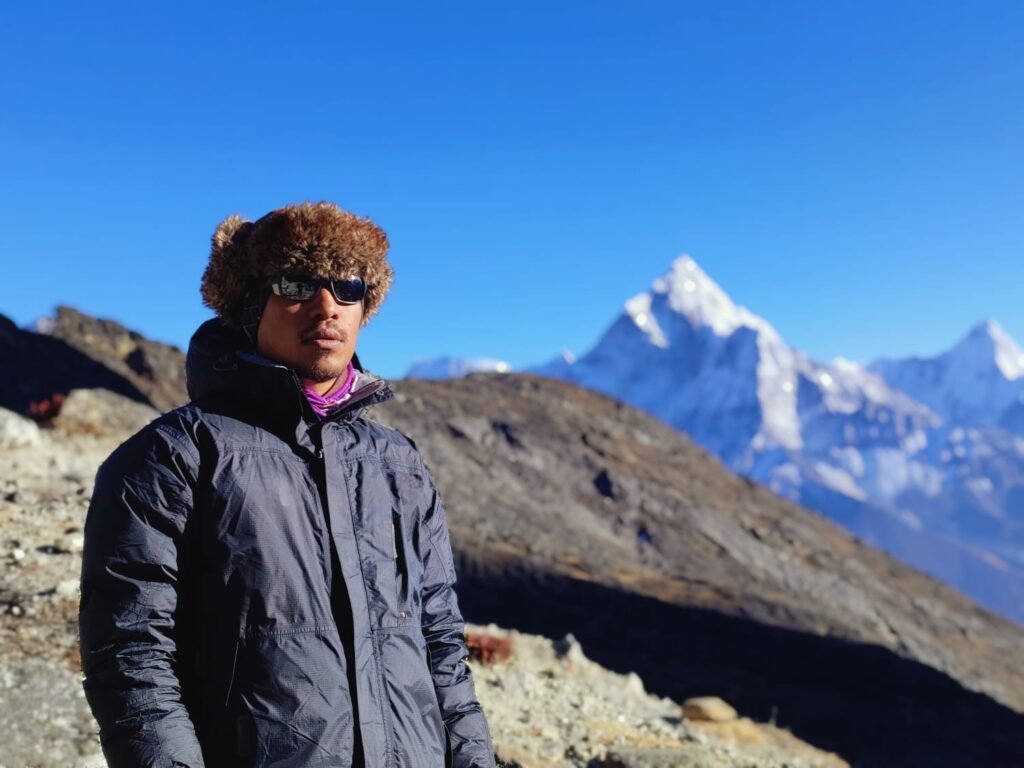


Adventure Beyond Trekking in Annapurna
The Annapurna region is synonymous with trekking, but for travellers whose appetite runs to verticality and water as much as to long walks, the valleys around Pokhara and the lower flanks of the range offer a different kind of adventure: rock climbing on natural and artificial crags, and canyoning down the gorges and waterfalls that stitch the hills together. These activities trade the endurance of the trail for the focus of the cliff and the rush of the cascade, and they have grown steadily as Pokhara establishes itself as an adventure hub. At Annapurna Circuit Treks we weave these into broader Annapurna journeys.
What makes this region suited to climbing and canyoning is its geology and its water, the same limestone and granite that build the great peaks also form accessible crags near the lake, while the monsoon-swollen rivers carve gorges perfect for descent. Understanding the [adventure culture](/en/blog/annapurna-culture) of the area means seeing Pokhara not only as a trailhead but as a playground, where a morning on rock can precede an afternoon by the water. For the traveller seeking more than footsteps, these disciplines open the Annapurna vertically as well as horizontally.
Rock Climbing Around Pokhara and the Foothills
The crags nearest Pokhara have become a recognised climbing destination, with routes graded for everyone from absolute beginners to seasoned lead climbers, set on both natural rock and purpose-built climbing towers that let novices learn the rope safely. The limestone around the valley offers good friction and interesting features, and the temperate climate means climbing is possible across much of the year, with the clearest, coolest conditions in autumn and spring. For many visitors this is their first taste of real rock, guided from the ground up by instructors who manage the safety system entirely.
Climbing here is also a spectacular way to view the landscape, with several crags positioned to frame the Annapurna range as you hang from the rock, a perspective no trek viewpoint quite matches. We can slot a climbing day into a Pokhara stay or a pre-trek conditioning phase, building confidence and core strength before the mountains. Whether you want a gentle introductory session or a full day on multi-pitch routes, the region’s crags deliver, and our [safety-first](/en/blog/annapurna-trek-safety-tips) approach ensures the thrill never outruns the protection.
Canyoning: Descending the Himalayan Gorges
Canyoning, the sport of moving down a watercourse using abseiling, jumping, sliding and swimming, finds ideal terrain in the steep, waterfall-laced gorges of the Annapurna foothills. Here, seasonal streams have cut narrow slots through rock, dropping in clear pools and smooth chutes that are exhilarating yet manageable under guidance, a natural water park sculpted by geology rather than built by hands. For travellers who love water and adrenaline, a canyon descent is among the most memorable half-days available around Pokhara, intimate in scale yet thrilling in feel.
The activity demands respect, because moving through fast water in a confined space carries real risk, which is why professional rigging, wetsuits and trained leaders are essential rather than optional. We only work with operators who treat the canyon as a managed environment, checking water levels, securing every abseil, and knowing exactly when conditions are too high to descend. Understanding [weather](/en/blog/annapurna-weather) matters acutely here, since rain upstream can transform a friendly gorge into a hazard within minutes, and good judgement is the whole game.
The Skills You Will Learn
Both climbing and canyoning are taught as much as experienced, and a good session leaves you with genuine skills rather than mere thrills. On rock you learn to tie in, belay a partner, read a route and move efficiently using feet as much as hands, fundamentals that open a lifetime of climbing. In the canyon you learn rope handling, safe jumping assessment, and how to read water for depth and current, practical knowledge that builds confidence in wild places. These are not spectator sports; participation is the point, and the learning is part of the reward.
This skill-building appeals especially to younger travellers and to those who find passive sightseeing unsatisfying, offering instead a hands-on relationship with the landscape. It also complements trekking, since the balance, rope awareness and calm under exposure gained on rock and in canyon translate directly to [confidence](/en/blog/annapurna-trek-safety-tips) on exposed trail sections. We frame these activities as part of a broader [adventure itinerary](/en/blog/annapurna-circuit-itinerary), so the skills reinforce rather than distract from your Annapurna goals, making you a more capable mountain traveller overall.
Who These Activities Suit
Rock climbing and canyoning are more inclusive than their reputations suggest, and with proper instruction they suit a wide range of ages and abilities, from adventurous [families](/en/blog/annapurna-with-kids-family-trek) with older children to fit [travellers](/en/blog/senior-friendly-annapurna-treks) who enjoy a new challenge. Absolute beginners are the norm rather than the exception, because the introductory formats are designed precisely for first-timers, with top-roped climbs and guided canyon descents that require no prior experience. A reasonable level of general fitness and a comfort with heights or water are the main prerequisites, not technical background.
That said, these are not for everyone, and honest self-assessment matters; those with significant fear of heights, limited mobility or heart conditions should choose gentler options. We help clients gauge fit before booking, because a mismatched activity spoils the day for everyone. For the right person, though, climbing or canyoning becomes a highlight that rivals any summit, a direct, physical conversation with the rock and water of the Annapurna region that no photograph can substitute for.
Safety Systems and Why They Matter
The non-negotiable foundation of both sports is the safety system, the ropes, harnesses, helmets, anchors and the trained people who manage them, and in a region where rescue is slow and medical care distant, this system is everything. Reputable operators inspect gear, use redundant anchors, brief clients thoroughly and maintain a low client-to-guide ratio, because a single lapse on rock or in a canyon can have severe consequences. At Annapurna Circuit Treks we vet partners hard on exactly these points before ever sending a client.
This seriousness is why we stress [safety](/en/blog/annapurna-trek-safety-tips) so heavily and why we discourage travellers from attempting these activities with unqualified locals offering cut-price thrills. The cost of proper guiding is the cost of coming home intact, and it is never worth trimming. We also brief clients on their own role, listening to instructions, checking their own harness, communicating clearly, because safety is a partnership, not a service delivered from above. Done right, the systems are invisible and the joy is total.
Best Seasons for Climbing and Canyoning
Timing shapes these activities as much as any other mountain pursuit, and understanding the [best time](/en/blog/best-time-to-trek-annapurna) helps you plan. For rock climbing, the stable, dry months of autumn and spring offer the best friction and clearest skies, with winter providing crisp conditions for the hardy and summer’s monsoon making natural rock slippery and unsafe. Canyoning follows a different calendar, because it needs water but not too much; the post-monsoon weeks and spring, when streams flow steadily but not ferociously, are ideal, while peak monsoon can render gorges dangerous and deep winter can make water numbing.
We track these windows carefully and advise clients accordingly, sometimes shifting a climbing day to dodge a forecast storm or postponing a canyon descent after heavy rain upstream. This seasonal intelligence is part of what a Pokhara-based operator provides, local knowledge of when the rock is dry and the water is right. Building your [itinerary](/en/blog/annapurna-circuit-itinerary) around these conditions ensures the adventure happens in its safe, enjoyable window rather than its risky one.
Combining Climbing and Canyoning With a Trek
These activities sit naturally alongside trekking rather than replacing it, and many of our clients use a Pokhara climbing or canyoning day as a bookend to an Annapurna trek, a burst of vertical fun before the long walk or a celebratory descent after it. Others weave a rest-day climb into a longer stay, breaking the trekking rhythm with a different kind of exertion that uses different muscles and refreshes the mind. The variety keeps a multi-week trip from becoming monotonous, and the skills gained enhance trail confidence.
Because both activities are based near Pokhara, they are logistically easy to add without disrupting a [circuit](/en/blog/the-complete-guide-to-annapurna-circuit-trek) plan, requiring only a day’s transfer to or from the lake. We design these combinations so the adventure complements rather than competes with the trek, ensuring you are rested, not depleted, for the high passes. For travellers wanting more than footsteps from their Annapurna journey, this blend of walk, rock and water is the fullest expression of the region’s adventure potential.
Equipment and What Is Provided
A practical question for any newcomer is what to bring, and the reassuring answer is that qualified operators supply the technical kit, harnesses, helmets, ropes, wetsuits, shoes, leaving you to arrive in comfortable athletic clothing and a spirit of adventure. For climbing, sturdy trainers and flexible clothes suffice for a first session; for canyoning, a swimsuit under the provided wetsuit and secure footwear that can get wet are the main personal items. The specialised, safety-critical gear is the operator’s responsibility, and its condition is a key quality signal.
We advise clients on the few personal items worth packing, and our [packing guidance](/en/blog/annapurna-packing-list) covers adventure add-ons for those who plan to climb or canyon. Knowing that you need not haul your own ropes to Nepal removes a barrier for many travellers, and it keeps the focus on the experience. The division is clean: you bring yourself and a sense of fun; the operator brings the means to do it safely, a partnership that lets anyone try these sports without investment in gear.
Environmental Sensitivity in Canyons and Crags
Adventure sports can damage the very places that make them possible, and climbing and canyoning carry specific ecological responsibilities that responsible operators and clients honour. On crags this means staying on established paths to protect fragile hillside vegetation, not chipping holds or leaving chalk marks everywhere, and packing out all litter. In canyons it means avoiding disturbance to the pools and their life, not polluting the water, and leaving the gorge as clean as found, because these narrow ecosystems recover slowly from abuse.
These practices sit squarely within [responsible tourism](/en/blog/responsible-tourism-annapurna), extending the leave-no-trace ethic of trekking into the vertical and aquatic realms. We brief every client on minimising impact and choose routes and operators that already do so, because the gorge you descend today should delight the next visitor tomorrow. The [conservation area](/en/blog/annapurna-conservation-area) ethos applies as much to a waterfall as to a meadow, and treating both with care is simply part of being a guest in this extraordinary landscape.
Training and Progression for Keen Adventurers
For travellers who catch the bug, the Annapurna region and its Pokhara base offer a pathway to progress, from a first top-roped climb through lead climbing instruction to multi-pitch routes, and from introductory canyon descents to more technical ones with longer abseils. Local instructors can structure a short course around your stay, letting a week by the lake become genuinely formative rather than merely recreational. This progression is one of the quiet joys of returning to a place, watching your own ability deepen against a familiar backdrop of peaks.
We support this with referrals to serious, certified trainers and with [itineraries](/en/blog/annapurna-circuit-itinerary) that build in practice days, so a keen client leaves not just exhilarated but improved. For some, this sparks a lifelong climbing or canyoning practice anchored to memories of Nepali rock and water, a gift the region gives beyond the trek itself. The foothills of Annapurna, it turns out, are as good a classroom for vertical adventure as anywhere on earth, taught by people who know the stone intimately.
Climbing and Canyoning for Groups and Teams
These activities are exceptionally good for groups, whether [families](/en/blog/annapurna-with-kids-family-trek), friends or corporate teams, because they demand communication, trust and mutual encouragement in ways a trek does not. Belaying a partner or abseiling a canyon together forges bonds quickly, and the shared vulnerability of hanging on a rope dissolves hierarchies and awkwardness. Many groups use a climbing or canyoning day as a team-building highlight of an Annapurna trip, memorable precisely because it asks something of everyone and rewards collective support.
We organise group sessions with appropriate ratios and tailored challenge levels, ensuring no one is left cold or overwhelmed, and the social energy of a well-run group day is itself a draw. For travelling companions with mixed trekking appetites, a climbing or canyoning day offers a shared adventure that doesn’t require the fitness of a high pass, making it inclusive. The [group dynamic](/en/blog/group-vs-private-annapurna-treks) here is a feature, turning individual courage into collective triumph against the backdrop of the Annapurna foothills.
Getting Started: Your First Session
If you have never tied into a rope or abseiled a waterfall, the first session is designed to feel less like a test and more like an invitation. Instructors begin on the ground, explaining the gear and the commands, then move you onto a short, forgiving route where success is almost guaranteed, building confidence before difficulty. On the canyon side, the first descent is a gentle one, a short abseil into a calm pool, so the unfamiliar sensation of hanging in a harness becomes fun rather than frightening.
We never throw a beginner into the deep end, because the whole point is to open the activity, not to prove toughness. A good first day ends with a sense of achievement and a wish to return, not relief that it is over. Our [safety-first](/en/blog/annapurna-trek-safety-tips) culture means the difficulty scales with you, and our guides read nervousness as a cue to slow down. For most travellers, that first session is the moment the Annapurna reveals a vertical dimension they never expected to enjoy.
Fitness and Preparation for the Cliffs
You do not need to be an athlete to climb or canyon, but a little preparation makes the day far more enjoyable, and it begins at lake level. A few days of [day hikes](/en/blog/best-day-hikes-around-pokhara) around Pokhara build the leg strength and balance that cliffs and wet rocks demand, while simple core exercises at home translate directly into steadier movement on the wall. Grip strength helps, but technique matters more, and our instructors teach you to trust your feet so your arms do not tire.
Mentally, the best preparation is an honest conversation with yourself about comfort with heights and water, because that self-knowledge lets us match you to the right route. We also advise a light, energising meal beforehand and steady hydration, since a tired, hungry body struggles on rock. None of this is demanding, and most travellers arrive ready without special training; the preparation simply smooths the edge so the experience, not the effort, is what you remember.
Photography in the Gorge and on the Rock
Climbing and canyoning offer some of the most photogenic moments in the Annapurna region, but capturing them takes thought, because your hands are usually busy and the environment is wet. A small, secure action camera on the helmet or a wrist strap keeps the device safe while you move, and a guide can often pause for a clean shot at a safe stance. In the canyon, the play of light through falling water and the deep green of the pools make even a phone image striking, provided the phone is protected in a dry pouch.
We remind clients that no photograph is worth unclipping or scrambling for, and that the [safety](/en/blog/annapurna-trek-safety-tips) rules come first; the best images come when you are secure and relaxed. Many operators offer a Guide-cam service, recording the descent so you can relive it later. For the travelling photographer, these activities also teach patience and timing, because the gorge reveals its beauty only to those who move with it rather than against it.
Plan Your Climb and Canyon With Annapurna Circuit Treks
The Annapurna region offers adventure that reaches upward and downward as well as onward, and rock climbing and canyoning around Pokhara put you physically in touch with the stone and water that shape this extraordinary landscape. From first-time top-roped climbs with the range behind you to guided descents of monsoon-carved gorges, these activities deliver focus, skill and exhilaration that complement any trek and stand alone as highlights in their own right. Annapurna Circuit Treks, based in Pokhara and run by Anish Maharjan, partners only with vetted, safety-first operators.
Tell us your appetite for adventure, your experience and your dates, and we will weave climbing or canyoning into your [itinerary](/en/blog/annapurna-circuit-itinerary) with the right season, gear and guidance, holding [safety](/en/blog/annapurna-trek-safety-tips) and [responsibility](/en/blog/responsible-tourism-annapurna) at the core. Whether as a pre-trek thrill, a post-trek celebration or a standalone day by the lake, we make the vertical Annapurna reachable and real. Reach out and let us add rock and water to your Himalayan adventure.
Plan Your Annapurna Adventure
Annapurna Circuit Treks is a Pokhara-based operator run by Anish Maharjan, specialising in the Annapurna region. Every trip uses licensed guides, community lodges and a paced plan that puts safety and the local valley first. Tell us your dates, your fitness and the experience you want, and we return a trip built around you. Contact us and let’s plan the Annapurna that fits.
*Related reading: see our [Pillar Guide to the Annapurna Circuit](/en/blog/the-complete-guide-to-annapurna-circuit-trek), the [best day hikes around Pokhara](/en/blog/best-day-hikes-around-pokhara), and [how trekking supports communities](/en/blog/how-trekking-supports-communities).*
Related reading: Is Annapurna Trek Safe? Complete Annapurna Trek Safety Guide for First-Time & Experienced Trekkers | Best Day Hikes Around Pokhara: Annapurna Foothill Walks | Annapurna Circuit trek vs Annapurna Base Camp – Which Trek is Right for You? | Annapurna Foot Hill Trek