
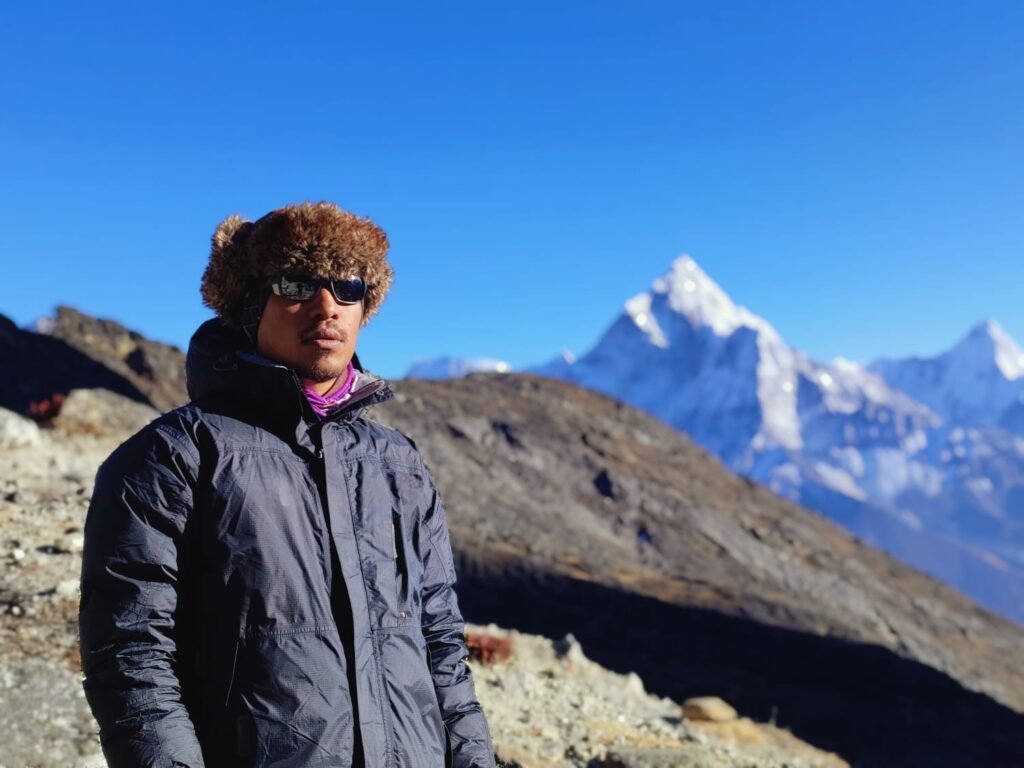


# Winter Trekking in the Annapurna Low Routes – A Quiet-Season Guide
Why Winter in Annapurna Deserves a Second Look
Most trekkers treat the Annapurnas as an autumn-and-spring destination, which means the winter months of December through February are wonderfully empty. The high passes are snowbound and off-limits, but the low and mid routes – the hills around Pokhara, the Gurung villages, the Poon Hill ridge – stay walkable, peaceful, and often bathed in crystalline clear-air light that rivals autumn for sharpness. You get the mountains without the crowds, and the lodges without the queues.
Winter trekking is a different sport from the peak-season version. It trades the big passes for intimacy: frost on the rhododendron leaves, woodsmoke in stone villages, and a silence you simply cannot find in October when the trails are thick with boots. Annapurna Circuit Treks runs dedicated low-route winter trips from our Pokhara base, and this guide covers exactly where to go, what to pack, and how to stay warm and safe when the temperature drops below the comfort line. It is the season we recommend to travellers who want the Himalaya to themselves.
Understanding the Winter Window (December to February)
Nepal’s winter is short and sharp. Days are typically clear and dry, with brilliant sunshine that can make a midday walk in the low hills feel like spring, especially out of the wind. Nights, however, plunge hard – often below freezing even at 2,000 metres, and well into the minus teens at the higher lodges that stay open, where the water in your bottle can freeze by the bed.
Snow falls mainly above 2,500-3,000 metres, which is precisely why we keep winter trips on the lower trails and why the high Circuit is a non-starter in these months. The window is also the quietest for festivals-free, crowd-free walking, and lodge owners have time to treat you like family rather than a room number. Our [best-time overview](https://annapurnacircuittreks.com/best-time-to-trek-annapurna/) and the [month-by-month planner](https://annapurnacircuittreks.com/best-time-trek-annapurna-month-by-month/) show how December through February compare with the rest of the year, and the [weather-by-altitude guide](https://annapurnacircuittreks.com/annapurna-weather-by-altitude/) gives the temperature curves you should plan around.
The Rule of Altitude – Why Low Routes Work
The single most important winter principle is altitude discipline. Snow and ice make any route above about 3,000 metres slow and dangerous without crampons and real experience, and lodges above that line largely close for the season, leaving you exposed if a storm rolls in. The sweet spot is 1,000 to 2,900 metres, where trails stay clear, lodges stay open and heated, and the views of the high peaks are arguably better because the air is so dry and sharp it feels like cut glass.
This is good news, because the most beautiful lower routes – Poon Hill, Ghandruk, Dhampus, Australian Camp, and the lower Khopra approach – all sit in that band and link together into multi-day walks. The [weather-by-altitude guide](https://annapurnacircuittreks.com/annapurna-weather-by-altitude/) explains how temperature and the snow line shift as you climb, and it is the reference we use to set each winter itinerary. Stay low, stay safe, and the winter Annapurnas are a gift rather than a gamble – the [region geography guide](https://annapurnacircuittreks.com/things-to-do-in-annapurna-region/) shows why the lower hills stay green while the high country ices over.
Poon Hill in Winter
Poon Hill at 3,210 metres is the headline low-route objective, and in winter it is magical – a frosty pre-dawn climb to a 360-degree panorama of Dhaulagiri and Annapurna I, often with a dusting of snow on the ridge and not another soul up there but your own breath. The trail from Nayapul through Ghorepani is well graded and usually snow-free below 2,800 metres, which keeps the walking friendly even in the cold months.
The catch is the final puff to the viewpoint, which can be icy before the sun touches it; we carry micro-spikes and start a little later than in peak season to let the sun soften the path and the wind drop. The [Poon Hill trek package](https://annapurnacircuittreks.com/trip/poon-hill-trek/) is our most-booked winter route, and the [Poon Hill trek guide](https://annapurnacircuittreks.com/ghorepani-poon-hill-trek-guide/) has the timings and the lodge list. Pair it with the [best sunrise viewpoints guide](https://annapurnacircuittreks.com/best-sunrise-viewpoints-annapurna/) for the clearest winter dawns, and bring a flask – the top is cold, but the view is the kind you remember for decades.
Ghandruk and the Lower Gurung Trail
Ghandruk at 2,012 metres is a model Gurung village and a perfect winter base – low enough to stay snow-free, high enough for huge views of the Annapurna south face and Machhapuchhre across the valley. The walk in from Nayapul or via Landruk is gentle, the stone houses are atmospheric under winter light, and the community museum tells the story of the place and its Gurkha heritage in a way that warms the mind if not the air.
Families and seniors love Ghandruk in winter because the altitude is friendly and the lodges are cosy with proper hearths. The [Ghandruk family loop package](https://annapurnacircuittreks.com/trip/8-days-ghandruk-loop-trek-child-friendly-family-itinerary/) is built for a relaxed pace, and the [Gurung and Magar villages guide](https://annapurnacircuittreks.com/gurung-magar-villages-annapurna/) adds cultural context you will want before you arrive. It also pairs with a [homestay experience](https://annapurnacircuittreks.com/homestay-experiences-annapurna/) if you want to share a floor-seat dinner with a local family – the warmest room in the village on a cold night, and the [community page](https://annapurnacircuittreks.com/annapurna-trek-supports-local-communities/) shows why that spend matters most in the quiet season.
Australian Camp and Dhampus
Australian Camp, around 2,100 metres on the ridge above Pokhara, is the easiest winter escape of all – a short drive to Kande and a gentle walk to a ridge-top lodge with a sunset view of the whole Annapurna range turning pink. Dhampus just below it is a green, quiet village where you can wander among terraces with almost no one else around, the only sound the wind in the wheat.
This is our go-to for travellers who want a taste of the mountains without committing to a multi-day trek in the cold, or for a first night to acclimatise gently before a longer walk. The [Australian Camp and Dhampus walk guide](https://annapurnacircuittreks.com/australian-camp-dhampus-walk/) has the details, and it slots neatly into a [3-day Annapurna escape](https://annapurnacircuittreks.com/3-day-annapurna-escape-pokhara/). For recovery afterwards, the [Lakeside Pokhara wellness base](https://annapurnacircuittreks.com/lakeside-pokhara-wellness-base/) is where you thaw out with a massage and a lakeside view, and the [Ayurveda recovery guide](https://annapurnacircuittreks.com/ayurveda-recovery-after-trek/) extends the idea into real restoration.
The Lower Khopra Approach
Khopra Ridge is better known as a spring-and-autumn trek, but the lower approach from Ghandruk or Swanta stays walkable in winter and delivers the same big Dhaulagiri views without the snow risk of the 3,660-metre ridge top. We typically walk to the lower community lodges and enjoy the forest and the panorama, turning back before the exposed upper section where ice would make the ridge dangerous.
It is a good option for fit winter walkers who want a longer route than Poon Hill without the altitude danger of the high country. The [Khopra trek package](https://annapurnacircuittreks.com/trip/khopra-trek/) can be adapted to a winter version, and the [Khopra Ridge guide](https://annapurnacircuittreks.com/khopra-ridge-trek-guide/) explains the full route for when you return in a warmer season to stand on the top. The [flora guide](https://annapurnacircuittreks.com/butterflies-flora-annapurna-trails/) notes what the forest looks like bare – surprisingly beautiful in frost, with the rhododendron limbs etched black against the snow-dusted distance.
Lakeside Pokhara as Your Winter Base
Pokhara itself is mild in winter – daytime highs around 18-20 Celsius, cold but rarely freezing nights – which makes it the ideal launch pad and recovery town. Lakeside is full of cafes, massage, and the [wellness base](https://annapurnacircuittreks.com/lakeside-pokhara-wellness-base/) for Ayurvedic recovery, so you can walk the hills by day and sleep in comfort by night without sacrificing the adventure to the cold.
We often structure winter trips as out-and-back from Pokhara: a few nights on the trail, then back to a hot shower and a good bed and a proper breakfast. The [World Peace Pagoda hike](https://annapurnacircuittreks.com/world-peace-pagoda-hike-pokhara/) is an easy Lakeside add-on with a lake view, and the [day hikes around Pokhara](https://annapurnacircuittreks.com/best-day-hikes-around-pokhara/) give options for a rest-day wander when the legs need a break. A Pokhara base means the cold never becomes the trip – it stays a feature, not a threat, and the [most popular area guide](https://annapurnacircuittreks.com/nepals-most-popular-trekking-area/) explains why the city is the natural base for both trekking and recovery.
Cold-Weather Gear Essentials
Winter in the hills demands a real layering system rather than the single fleece that gets you through a European winter. You need a wicking base layer to keep sweat off the skin, an insulating mid-layer (fleece or light down) for the static cold of a viewpoint, and a waterproof, windproof shell because wind is what steals heat fastest at altitude. Below that, thermal leggings and trousers, warm socks, and a knit hat you sleep in.
Gloves are non-negotiable – and bring two pairs, one light for walking and one insulated for the viewpoint where your fingers will sting. A good sleeping bag rated to minus ten or colder is essential because lodge blankets are not enough on a freezing night and the staff will not always have spare. The [trekking packing list](https://annapurnacircuittreks.com/annapurna-trekking-guides-packages/) covers the full kit, and the [Pokhara gear-rental guide](https://annapurnacircuittreks.com/annapurna-trekking-guides-packages/) lists what you can hire in town before leaving so you do not fly with a wardrobe. Do not underestimate the cold – the [weather-by-altitude guide](https://annapurnacircuittreks.com/annapurna-weather-by-altitude/) shows how fast it drops after dark even at modest altitude.
Layering for Sub-Zero Nights
The art of winter comfort is layering you can adjust on the move. On a sunny midday walk you may be in a base layer and shell; at a 3 am Poon Hill start you are in everything you own and wishing for more. The system that works: wicking next to skin, loft in the middle, and a shell that blocks wind, because a 20 km/h gust at minus five feels like minus fifteen on exposed skin.
We brief every winter guest on the layer dance: add before you are cold, shed before you sweat, because damp clothing is the enemy that leads to chills at the lodge. A packable down jacket lives in your daypack for the viewpoint, and a spare dry base layer at the top of your bag is worth its weight in comfort. The [pre-departure checklist](https://annapurnacircuittreks.com/annapurna-trekking-permits-2026/) includes a layering timeline, and the [teahouse guide](https://annapurnacircuittreks.com/tea-house-vs-camping-trekking-annapurna/) explains how to dry gear by the stove without setting it alight – a real winter skill that saves mornings.
Snow, Ice, and Trail Conditions
Below 2,500 metres the winter trails are usually dry dirt, but mornings bring frost and shaded sections can be icy, especially on the Poon Hill climb and any stone staircase that holds the cold. We carry micro-spikes for the group and choose start times that let the sun take the edge off the ice before we commit to an exposed step.
After a snowfall the lower routes can be slushy for a day, then firm and crunchy underfoot, which is actually pleasant walking. We check conditions daily with lodge networks up and down the valley and adjust the plan rather than push through. The [trek safety guide](https://annapurnacircuittreks.com/annapurna-trek-safety-altitude/) covers slip prevention and what to do if a trail is worse than expected, and the [trekking emergency guide](https://annapurnacircuittreks.com/trekking-emergency-annapurna-what-to-do/) explains the response chain if anyone takes a fall – rare on the low routes, but we plan for it because the cold magnifies any injury.
Daylight Hours and Pacing
Winter days are short – the sun is up around 7 am and gone by 5:30 pm, and the useful walking window is really 8 to 4 once the frost lifts. That means an earlier start and a stricter daily distance than in autumn, when you can walk until six. We plan shorter stages so you are at the next lodge with light to spare and time to dry gear by the stove before the cold peaks.
The upside is the light itself: low winter sun rakes across the peaks and paints the snow a peach and rose colour that the high summer sun washes out into flat white. The [sunrise viewpoints guide](https://annapurnacircuittreks.com/best-sunrise-viewpoints-annapurna/) and the [Dhaulagiri photography guide](https://annapurnacircuittreks.com/photographing-dhaulagiri-annapurna-i/) explain how to use that golden, low-angle light, which is why so many landscape photographers prefer the quiet season. Slower days, better pictures – winter is a photographer’s secret season, and the [night-sky guide](https://annapurnacircuittreks.com/night-sky-milky-way-annapurna/) adds the clear, dark evenings as a bonus.
Lodge Life in the Quiet Season
Winter lodges are a different world from the busy months. With few guests, the family that runs the teahouse has time to talk, the kitchen is relaxed, and the communal stove becomes the heart of the evening where stories are traded in three languages. You might be the only foreigners in the house, which is exactly the appeal for travellers seeking something real rather than a processed experience.
Some amenities thin out – menus shrink to the reliable staples, hot-water showers may be solar-only on sunny days, and wifi can be down for weeks after a storm. But the welcome deepens, and the slower rhythm suits the season. The [teahouse versus camping guide](https://annapurnacircuittreks.com/tea-house-vs-camping-trekking-annapurna/) explains lodge life, and the [teahouse etiquette guide](https://annapurnacircuittreks.com/most-photographed-teahouses-annapurna/) helps you be a gracious cold-season guest (offer to help with firewood, don’t waste the hot water, learn the Nepali hello). The [community page](https://annapurnacircuittreks.com/annapurna-trek-supports-local-communities/) shows why your winter spend matters even more when tourism is slow and the lodge family is counting on it.
Food and Warmth on Winter Nights
Winter food is about heat and energy, because your body burns fuel just to stay warm. Dal bhat remains the staple and is perfect – hot, refilled without limit, and packed with the carbs you burn staying warm on a cold ridge. Add ginger tea, garlic soup (a local altitude and immunity remedy), and the occasional Tibetan butter tea in the higher lodges that stay open through the season.
We encourage hearty breakfasts and an early dinner so you are fed and in your sleeping bag before the cold peaks after midnight. The [traditional food guide](https://annapurnacircuittreks.com/traditional-food-annapurna-villages/) maps the menu village by village, and the [drinking water guide](https://annapurnacircuittreks.com/drinking-water-hygiene-annapurna/) covers safe hydration – critical, because dehydration at altitude worsens both cold and altitude effects alike, a double hit in winter. A warm belly is the simplest cold-weather tool you have, and the [monastery stays guide](https://annapurnacircuittreks.com/monastery-stays-annapurna/) adds the comfort of a warm puja if you time it right.
Safety – Hypothermia and Cold Injuries
The serious winter risks are hypothermia and frostbite, both preventable with attention. Hypothermia starts with shivering, confusion, and clumsiness; frostbite with numbness and white, waxy skin on fingers, toes, or nose. The defence is layers, dry clothing, food, and never pushing on when someone is cold and slowing down, because the condition only deepens with movement.
Our guides carry blizzard shelters and know the signs cold; we turn around at the first hint rather than testing the mountain’s patience. The [trek safety guide](https://annapurnacircuittreks.com/annapurna-trek-safety-altitude/) and the [HRA clinics guide](https://annapurnacircuittreks.com/hra-clinics-annapurna-route/) explain the medical backstops, and the [travel insurance guide](https://annapurnacircuittreks.com/trekking-emergency-annapurna-what-to-do/) ensures evacuation cover for the cold-season worst case even on a low route. Winter is safe when respected – reckless is when it turns dangerous, and the [emergency guide](https://annapurnacircuittreks.com/trekking-emergency-annapurna-what-to-do/) is the plan we never want to use.
Acclimatisation Still Matters in Winter
Even on low routes, altitude is real, and the cold makes its effects sneakier because shivering masks the early symptoms of altitude illness and makes you want to push for the warm lodge rather than rest. We still build conservative gains and include a rest or short day on any route that climbs toward 3,000 metres, like the Poon Hill approach from Ghorepani.
The [altitude sickness guide](https://annapurnacircuittreks.com/altitude-sickness-annapurna-circuit/) applies year-round, and the [acclimatisation strategy](https://annapurnacircuittreks.com/acclimatisation-strategy-tilicho-thorong/) explains why a slow low route is also a safer one. Cold plus altitude is a double load on the body, so we hydrate hard and watch each other on every climb. A guide on a winter trip is worth every rupee for this alone – see the [guide requirement guide](https://annapurnacircuittreks.com/do-you-need-a-guide-annapurna-2026/) – because the person who notices your slurred joke at 2,800 m may be the person who keeps you safe.
Families and Seniors in Winter
Winter is a wonderful family and senior season precisely because we stay low and the crowds are gone. Ghandruk, Dhampus, and Australian Camp are gentle, and the absence of bottlenecks means kids and older travellers move at their own pace without pressure from a line of trekkers behind them. Cosy lodges and short days suit every age and every energy level.
The [family trek guide](https://annapurnacircuittreks.com/annapurna-with-kids-family-trek/) and the [senior-friendly treks guide](https://annapurnacircuittreks.com/senior-friendly-annapurna-treks/) cover the adaptations we make – shorter stages, warmer lodges, a slower rhythm, and a vehicle standby for the cold mornings. The [Ghandruk loop](https://annapurnacircuittreks.com/trip/8-days-ghandruk-loop-trek-child-friendly-family-itinerary/) is our most popular winter family booking because the village is safe, the views are huge, and the altitude is kind. Keep the altitude modest and the days short, and winter becomes the calmest, kindest trekking of the year – the [wellness base](https://annapurnacircuittreks.com/lakeside-pokhara-wellness-base/) waiting in Pokhara is the cherry on top.
The Best Winter Viewpoints
The low routes deliver outsized views because the air is so dry that the high peaks stand out with a clarity autumn cannot match. Poon Hill is the classic, but the Dhampus ridge, the Australian Camp lookout, and the Ghandruk south-face view are all superb winter perches, often with a layer of valley mist below you and the high peaks blazing above – a photograph that sells itself.
The [best sunrise viewpoints guide](https://annapurnacircuittreks.com/best-sunrise-viewpoints-annapurna/) ranks them, and the [Dhaulagiri photography guide](https://annapurnacircuittreks.com/photographing-dhaulagiri-annapurna-i/) explains the low-angle winter light that turns snow to gold. A still, freezing dawn with the Annapurna range on fire is the memory most winter trekkers carry home – quieter and, frankly, more beautiful than the busy autumn equivalent where you share the ridge with fifty others and a drone.
Combining Winter Walks with Spa Recovery
One of the joys of a Pokhara-based winter trip is the soft landing. After three nights of frosty ridges, you return to Lakeside for an Ayurvedic massage, a lakeside cafe, and a proper hot shower, and the contrast is part of the pleasure. The [wellness base](https://annapurnacircuittreks.com/lakeside-pokhara-wellness-base/) and the [Ayurveda recovery guide](https://annapurnacircuittreks.com/ayurveda-recovery-after-trek/) cover the options we book for guests.
A [luxury Pokhara getaway](https://annapurnacircuittreks.com/trip/lux-6-days-luxury-pokhara-getaway-elite-himalayan-escape/) bundles spa time so your cold-weather muscles recover in style, and it pairs naturally with a [luxury yoga escape](https://annapurnacircuittreks.com/triphttps://annapurnacircuittreks.com/trip/lux-9-days-luxury-yoga-wellness-himalayan-escape-in-nepal/) if you want gentle practice too. Winter trekking plus Pokhara recovery is the most balanced version of a Himalayan holiday – effort and ease in equal measure, and the [meditation treks guide](https://annapurnacircuittreks.com/meditation-wellness-treks-annapurna/) adds a calm counterpoint if you want the quiet to continue off the trail.
Why a Guide Matters Even More in Winter
Winter amplifies every decision a trekker makes. A missed turn in snow, a frozen stream crossing, a lodge that closed early for the season – a local guide reads these situations instantly and keeps the trip smooth where an independent walker might flounder. Our Pokhara team knows which lodges are open, which trails are iced, and exactly when to start for a safe Poon Hill dawn in the cold.
The [why local guides matter](https://annapurnacircuittreks.com/hiring-local-guides-why-it-matters/) page explains the deeper value, and the [operator-choice guide](https://annapurnacircuittreks.com/hiring-local-guides-why-it-matters/) helps you book a team rooted in the place rather than a generic agency that has never seen snow on the ridge. In the quiet season your guide is also your companion, your translator, and your safety net – the [is Annapurna safe guide](https://annapurnacircuittreks.com/is-annapurna-trek-safe-for-trekkers/) frames the culture we work within, and the [women-only groups](https://annapurnacircuittreks.com/women-only-trekking-groups-nepal/) option adds a supportive crew for those who want it.
Responsible Winter Trekking
Winter is hard on mountain communities, who earn less when tourists thin out and whose firewood bills rise as the temperature falls. Spending locally – lodges, food, a homestay night – matters more in the cold months than at any other time, because your rupees are a larger share of a smaller total. It also matters to trek lightly: carry out your waste, refill bottles to cut plastic, and respect that firewood is precious in a cold lodge where every guest wants the stove.
The [plastic-reduction guide](https://annapurnacircuittreks.com/reducing-plastic-annapurna-trail/) and the [footprint-offset guide](https://annapurnacircuittreks.com/offsetting-trek-footprint-nepal/) show the habits; the [community page](https://annapurnacircuittreks.com/annapurna-trek-supports-local-communities/) shows the impact your winter spend has. Trekkers who come in winter are, in a small way, keeping the trail economy alive in its hardest season – a quietly good thing to do, and the [conservation area guide](https://annapurnacircuittreks.com/is-annapurna-conservation-area/) explains why the wilderness needs both visitors and care to stay intact for the spring rush.
Winter Wildlife and the Quiet Trails
One of the quiet bonuses of a winter walk is the wildlife you meet when the crowds are gone. With fewer trekkers on the lower trails, the forest animals relax, and the cold, clear air carries sound far. The Himalayan monal – the improbably coloured national bird of Nepal – is easier to spot in the bare rhododendron forest around Ghandruk and the lower Khopra approach, where it scratches for roots in the frost. Barking deer and the occasional goral appear on the open ridges at dawn, and langur troops patrol the oak canopy above Dhampus.
Birdwatchers in particular love the quiet season, because the resident species are joined by winter migrants from the Tibetan plateau and the high steppe. The [birds of the Annapurna Conservation Area guide](https://annapurnacircuittreks.com/birds-of-annapurna-conservation-area/) maps the species and the best elevations to find them, and the [Himalayan wildlife sightings guide](https://annapurnacircuittreks.com/himalayan-wildlife-annapurna-sightings/) covers the larger mammals and where they show themselves. The [red panda guide](https://annapurnacircuittreks.com/red-panda-rare-sightings-annapurna/) notes the rare sightings in the upper forest, which is sleepy but present even in winter. Walking slowly and quietly – the winter default – is exactly the technique that puts animals in front of you rather than behind a fleeing rustle.
Photography in the Frost – Winter Light
Winter is a landscape photographer’s secret season. The low sun stays near the horizon all day, raking long, warm light across the snow and turning the high peaks to gold and rose in a way the high summer sun flattens into white. Frost on the rhododendron leaves, ice on a stream, and the breath of a donkey on a cold morning are all details the busy seasons rush past.
The dry air also means the clearest, most saturated mountain views of the year, and the night skies are ferociously dark once the moon sets. The [Dhaulagiri and Annapurna I photography guide](https://annapurnacircuittreks.com/photographing-dhaulagiri-annapurna-i/) explains composition with the big peaks, the [best sunrise viewpoints guide](https://annapurnacircuittreks.com/best-sunrise-viewpoints-annapurna/) ranks the winter dawns, and the [night-sky guide](https://annapurnacircuittreks.com/night-sky-milky-way-annapurna/) covers the astrophotography that the clear cold nights enable. The [ethical village photography guide](https://annapurnacircuittreks.com/ethical-village-photography-annapurna/) remains required reading before you point a lens at a face – ask, credit, and give back, especially in the small winter villages where a stranger with a camera is a rare event.
Frequently Asked Questions
Which Annapurna routes are safe to trek in winter?
The low and mid routes – Poon Hill, Ghandruk, Dhampus, Australian Camp, and the lower Khopra approach, roughly 1,000 to 2,900 metres – stay walkable and snow-free. The high passes like Thorong La are snowbound and off-limits. Our [weather-by-altitude guide](https://annapurnacircuittreks.com/annapurna-weather-by-altitude/) explains the snow line and the safe band.
How cold does it get on a winter trek?
Days in the low hills are mild and sunny, often 15-20 Celsius, but nights drop below freezing even at 2,000 metres and well below minus ten at the higher open lodges. A good sleeping bag and layering system are essential – see the [packing list](https://annapurnacircuittreks.com/annapurna-trekking-guides-packages/) and the [gear-rental guide](https://annapurnacircuittreks.com/annapurna-trekking-guides-packages/).
Is winter trekking good for families and seniors?
Yes, on the lower routes. Ghandruk, Dhampus, and Australian Camp are gentle, uncrowded, and lodge-comfortable. The [family guide](https://annapurnacircuittreks.com/annapurna-with-kids-family-trek/) and [senior guide](https://annapurnacircuittreks.com/senior-friendly-annapurna-treks/) cover the adaptations we make for a calm, safe winter walk with shorter stages and warmer lodges.
Do lodges stay open in winter?
The lower villages stay open year-round; some higher lodges close for the season. We book only the lodges we know are heated and operating, and our guides confirm day by day. The [teahouse guide](https://annapurnacircuittreks.com/tea-house-vs-camping-trekking-annapurna/) explains what lodge life looks like in the quiet season and what to expect on the menu.
Do I need a guide for a winter low-route trek?
Strongly recommended. A guide knows which lodges are open, reads ice and trail conditions, and keeps the short days on schedule for safe dawns. The [guide requirement guide](https://annapurnacircuittreks.com/do-you-need-a-guide-annapurna-2026/) and [why local guides matter](https://annapurnacircuittreks.com/hiring-local-guides-why-it-matters/) explain the value, especially in the quiet season when the margin for error is thinnest.
Plan Your Annapurna Adventure
The Annapurna region rewards preparation. Annapurna Circuit Treks runs fixed-departure and fully custom Annapurna treks from our Pokhara base – licensed guides, community lodges, and transparent 2026 pricing. Browse our [Annapurna trekking guides & packages](https://annapurnacircuittreks.com/annapurna-trekking-guides-packages/) or talk to a [local expert](https://annapurnacircuittreks.com/contact-us/) before you fly.
*— Annapurna Circuit Treks, Pokhara*
Related reading: Annapurna Circuit trek vs Annapurna Base Camp – Which Trek is Right for You? | 4×4 Drive & Camping Around the Annapurna Region: Possibility, Routes & the Rising Trend
Related reading: Annapurna Circuit Trek (5,416 m): A Complete Himalayan Crossing in Nepal