
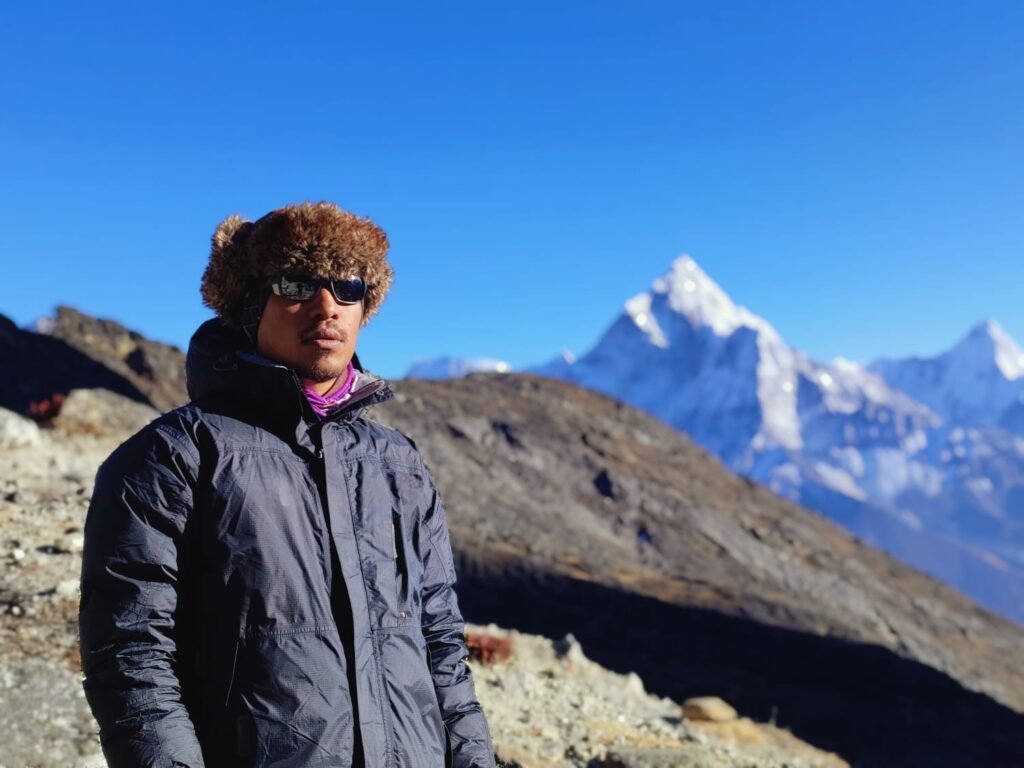


The Two Windows: Why Annapurna Has a Clear Best-Time Answer
Annapurna has a reputation for being trek-able year-round, and technically that is true — but the honest answer to ‘when should I go’ is that the region has two excellent windows and two challenging ones, and the gap between them is the difference between a clear, safe, joyous trek and a wet, leech-bitten, cloud-blind slog. The two windows are autumn (roughly October to November) and spring (roughly March to May); the two tough seasons are winter (December to February, cold but doable low) and monsoon (June to September, lush but risky). This month-by-month guide walks through all twelve, because the ‘best time’ depends entirely on which trek you want, your altitude tolerance, and whether you fear crowds more than cold or cloud.
Annapurna Circuit Treks plans every 2026 departure around this calendar, because the mountain does not bend to a tourist’s leave dates — the dates must bend to the mountain. Our best time to trek guide is the overview; this article is the granular version. We will go month by month, give the reality on weather, trails, crowds and what is open, and finish with a decision framework so you can match your leave to the right Annapurna route rather than discovering in Pokhara that the pass you wanted is snowbound or the trail you chose is a river of mud.
January in Annapurna
January is deep winter. The high passes — Thorong La, and any route above about 4,000 metres — are snowbound and often impassable without mountaineering skills and gear; the lodges up there are closed and the HRA clinic at Manang is seasonal. But the lower and mid routes shine: Poon Hill, Mohare Danda, the Ghandruk loop, Australian Camp, the Pokhara foothills and the short ABC approach to around Sinuwa are crisp, clear and gloriously empty. Daytime is cool but sunny; nights are cold, sometimes below freezing at 2,500 metres, but the lodges are cosy and the views often the clearest of the year.
For a January trekker, the smart move is a low-route walk with a hot-lodge strategy and a flexible attitude to a cold morning start. Our winter trekking low-routes guide lists the safe options in detail, and Poon Hill or the Ghandruk family loop are ideal. Annapurna Circuit Treks runs January departures on these low routes, with extra warm clothing briefings and a slower profile. The reward is solitude and sharp air most visitors never experience, and a Poon Hill sunrise in January, with snow on the high ridges and not another soul at the viewpoint, is a genuine hidden gem of the Annapurna calendar.
February in Annapurna
February is winter easing toward spring. Still cold up high, still closed passes, but the lower routes begin to warm and the first rhododendron buds appear at mid altitudes by month’s end. Trails are dry and quiet, lodges have heaters or bukhari stoves roaring, and the pre-spring clarity is excellent for photography. It is a superb month for the low and mid walks — Poon Hill, Mohare, Ghandruk, Australian Camp, even a cautious ABC to Deurali if the snow line is high and the group fit.
Crowds are minimal, prices at the lodges are off-peak, and the atmosphere is peaceful. Our spring rhododendron article explains how the bloom builds through March, so a late-February walker gets the quiet before the flower rush. Annapurna Circuit Treks favours February for photographers wanting empty frames and clean light, and for families avoiding both the deep cold of January and the autumn crush. The one caveat is shorter days — you start in the dark and finish before full dark — so plan shorter stages and earlier alarms, because the sun drops fast behind the western ridges once it sets.
March in Annapurna
March opens the spring window and is one of the two genuinely great months. The lower hills turn green, the rhododendrons begin blooming from about 2,000 metres upward, days are warm and the high passes start to become feasible again as the snow consolidates and the worst of winter cold lifts. Thorong La is usually crossable by mid-to-late March for well-acclimatised, fit trekkers with a guide; ABC, Mardi, Khopra and Poon Hill are all excellent. The trade is rising crowds as the season builds and, in the Kali Gandaki, strengthening afternoon winds.
March is the birder’s and botanist’s month — our birds of Annapurna guide and butterflies and flora guide cover the spring explosion of life — and the rhododendron show peaks through April. Annapurna Circuit Treks runs full spring departures across every route, with extra rest days built in as the passes reopen. The wise March trekker starts the high crossing early in the month only if experienced, or waits two weeks for safer snow; either way, March’s combination of bloom, warmth and reopening passes makes it a favourite among regulars who find October just a little too crowded.
April in Annapurna
April is spring at its peak and arguably the most beautiful month for colour: the rhododendron forests blaze red and pink from 2,000 to 3,500 metres, the weather is warm and stable, and all high routes — Thorong La, Tilicho, ABC, Mardi, Khopra — are open and in good condition. Nights are mild even at altitude, the trails are dry, and the photographs pair snow peaks with flowering forest in a way unique to this month. Crowds are moderate, less than October, and the atmosphere festive as villages shake off winter.
The caveats are the strengthening Kali Gandaki afternoon wind and the occasional pre-monsoon haze that softens distant views late in the month. Our spring in Annapurna article details the bloom zones; ABC and Mardi are spectacular in April. Annapurna Circuit Treks rates April a top choice for first-timers who want warmth, bloom and open passes without the October crowds, and for photographers chasing the rhododendron-foreground composition that defines the season. Book lodges a touch ahead, because April is popular even if quieter than autumn, and the best Ghorepani rooms fill on the clear nights.
May in Annapurna
May is the tail of spring and the edge of the pre-monsoon. The hills are lush and green, the rhododendron is largely past but the general foliage is at its most vibrant, and the high routes remain open in typically stable, warm conditions — though the first humidity builds and afternoon clouds bubble up over the high peaks. Thorong La and Tilicho are still crossable; ABC and Mardi excellent; lower routes hot by day but lovely at dawn. Crowds thin through the month as schools reopen and the European season winds down.
The draw of May is space and growth: empty trails, full rivers, and the last of the stable weather before monsoon. The risk is the building pre-monsoon instability — occasional afternoon thunderstorms and, late in the month, the first leeches in the low forests. Our monsoon article explains what follows. Annapurna Circuit Treks uses May for quiet custom treks and for clients who missed spring, with a weather-eye on those afternoon build-ups. A May walker gets much of April’s beauty with fewer people and warmer nights, at the cost of slightly hazier distant views and the need to start early before the clouds gather over the high country.
June in Annapurna
June is the start of the monsoon and the beginning of the hard season. The rains arrive from the Bay of Bengal, the low forests turn emerald and leech-filled, the high peaks vanish into cloud for days at a time, and landslides begin to threaten the road sections of the Circuit. Trails below 2,500 metres are muddy and quiet; above, views are rare and the risk of slips and cancelled flights (Pokhara–Jomsom especially) rises. This is the season for the committed: the botanist, the solitude-seeker, the budget traveller who accepts weather as the price of emptiness.
A few routes stay relatively worthwhile — the rain-shadow edges of Upper Mustang (technically just outside the worst monsoon, and a restricted, guided experience) and the immediate Pokhara hills, which clear between showers. Our monsoon in Annapurna guide and Manaslu comparison cover the drier neighbour. Annapurna Circuit Treks advises most clients to avoid June for standard treks, but we do run guided monsoon walks for the right brief — lush, empty, photographic in a moody way — with extra safety margins and flexible routing around landslide zones, because the mountain in the rain is a different, quieter, greener place few ever see.
July in Annapurna
July is the heart of the monsoon: heaviest rain, most cloud, leeches lowest down, and the high peaks almost permanently shrouded. Standard trekking is at its hardest and least rewarding for views, though the landscape is at its most alive — rivers roar, terraces glow green, and the villages are authentically local with no tourist queue at the tea stall. Landslide risk on the road-connected sections is real, and internal flights are the most unreliable of the year, so logistics flex constantly.
The exceptions that make July interesting are the Trans-Himalayan rain-shadow areas — Upper Mustang and the edges of the Kali Gandaki that sit in Dhaulagiri’s rain shadow — where it stays comparatively dry while the south slopes drown. Our Muktinath temple guide and the restricted-area rules in our guide requirement guide explain the Mustang option, which needs a permit and a licensed guide. Annapurna Circuit Treks runs July trips almost exclusively into that shadow, because a monsoon Mustang trek can be dry, warm and empty while the rest of Annapurna floods, which is the region’s great seasonal secret for the traveller whose only leave is summer.
August in Annapurna
August continues the monsoon, marginally easing toward month’s end as the rains begin their slow retreat. Conditions mirror July: wet low routes, clouded high peaks, leeches, landslides, unreliable flights. The rain-shadow Mustang and the immediate Pokhara hills remain the sensible options, and the very end of August can bring the first post-monsoon clear windows that tease the autumn to come — brief, dramatic, and empty of trekkers, which makes them a photographer’s quiet prize.
Our monsoon article covers how to trek responsibly in this season, including leech protection and river-crossing caution. Annapurna Circuit Treks treats August as a shoulder-to-avoid for most, but we do run the restricted Mustang and short Pokhara wellness walks, and we watch the late-August breaks for a custom clear-window trip. The practical advice is blunt: unless your only leave is summer and you accept wet, green, view-poor walking (or you target the rain shadow), August is the month to avoid for a standard Annapurna trek, and the calendars of most clients who ask us simply do not force that choice.
September in Annapurna
September is the transition and the start of the autumn miracle. The monsoon retreats, the skies clear from the valleys up, the peaks re-emerge scrubbed and white, the rivers are full and the hills impossibly green before the autumn dry sets in. Early September can still be showery and leechy low down; by late September the classic autumn clarity arrives and the crowds have not yet peaked, making late September a secret sweet spot — clear, green, and quieter than October.
This is a superb month for nearly every route as it dries: ABC, Mardi, Khopra, Poon Hill all come good, and the Circuit reopens fully as snow from the early winter is still weeks away. Our autumn article explains why the season is prized. Annapurna Circuit Treks rates late September very highly and often recommends it over October for clients who can travel then, because you get autumn’s clarity with spring’s greenery and none of October’s bed-scramble. Book early though — the late-September shoulder is discovered by more people every year, and the best lodges on the popular trails begin to fill.
October in Annapurna
October is the recognised peak — the clearest, most stable, most popular month. Skies are reliably blue, the air razor-sharp, the peaks snow-fresh from the pre-winter cold, the trails dry, and every route from Poon Hill to Thorong La is in prime condition. It is also the busiest: the teahouses on Ghorepani, ABC and Manang fill, the trails buzz, and the viewpoint sunrises are shared with dozens. For first-timers wanting the ‘textbook’ Annapurna — clear, safe, social — October is the answer, provided you book ahead and accept company.
Our autumn in Annapurna guide and festivals guide note that Dashain and Tihar, Nepal’s great autumn festivals, often fall in October, adding cultural richness (and some lodge or transport quirks as locals travel). Annapurna Circuit Treks runs the most departures in October and holds community-lodge allocations where we can; the Circuit and ABC are spectacular. The honest trade-off is crowds and price — October costs a little more and books out faster — but for reliability of weather and views, no month beats it, and most trekkers who go in October come home saying the mountain delivered exactly what the brochure promised.
November in Annapurna
November is autumn’s calm after the October storm of people. The skies stay clear, the air is crisp and dry, the crowds thin as the month progresses, and the high passes remain open — though by late November the first pre-winter cold and early snow threaten Thorong La, and lodges up high begin to close toward month’s end. Lower and mid routes — Poon Hill, Mohare, Ghandruk, Mardi, ABC to mid-height — are excellent and peaceful, with the sharpest post-monsoon views and the comfortable chill of real autumn.
This is a favourite among regulars who want October’s clarity without October’s queues, and the photography is superb as the light flattens to a low, warm angle. Our best time guide ranks November just behind October for most routes. Annapurna Circuit Treks runs strong November departures and advises an earlier-in-the-month crossing for the high passes to beat the first snow. The one watch-item is shortening days and dropping temperatures at altitude, so plan conservative stages; a November walker who times the pass early enjoys silence and clarity that the October crowds, ironically, paid more to miss.
December in Annapurna
December tips into winter. The high passes close, the high lodges shut, and snow dusts the ridges, but the lower and mid routes are wonderful: clear, cold, quiet, with the festive buzz of Christmas and New Year at the lakeside in Pokhara. Poon Hill, Mohare, Ghandruk, Australian Camp and the foothill walks are all great; a cautious ABC to around Deurali is possible for fit, cold-tolerant trekkers; the high Circuit is out until spring. Daytime is cool and often sunny; nights are cold but the lodges are warm and the fire convivial.
Our winter low-routes guide is the detailed plan for December walking. Annapurna Circuit Treks runs December departures on the low routes with warm-gear briefings and a festive lakeside finish — a lovely alternative to a northern-hemisphere winter at home. The reward is empty trails, crisp air and a Poon Hill or Mohare sunrise with snow on the high peaks and not a queue at the viewpoint, which for many is the most peaceful Annapurna experience of the entire year, purchased simply by travelling when everyone else assumes the mountains are closed.
Month-by-Month Quick Comparison Table
Condensing the year: January–February, cold, low routes only, empty and clear; March–April, spring bloom, all routes open, warming, moderate crowds; May, lush tail of spring, open but hazy and building humidity; June–August, monsoon, wet and cloudy low, only the Mustang rain-shadow sensible; September, transition, late-month clarity and green, quiet; October, peak clarity and crowds; November, clear and calming; December, winter return, low routes superb. The two five-star windows are October–November and March–April; the two to avoid for standard treks are July–August, with June and September as shoulders.
This table is a planning tool, not a verdict — your route changes the answer. A Poon Hill walk is fine in January; a Thorong La crossing is not. Our best time guide and weather by altitude guide add the altitude dimension, because what is true at 1,000 metres is false at 5,000. Annapurna Circuit Treks uses exactly this table in every booking call, matching the client’s leave to the route that is actually good in that month, which is the single most important service we offer — turning ‘I have two weeks in July’ from a problem into a Mustang plan, or ‘I must go in October’ into a booked Circuit with beds already held.
Which Trek by Season
Match the walk to the month. Autumn (Oct–Nov): everything, especially the Circuit over Thorong La, ABC, Mardi, Khopra, Poon Hill — the full menu. Spring (Mar–May): same full menu with rhododendron bonus, ideal for flower and bird focus. Winter (Dec–Feb): low and mid only — Poon Hill, Mohare, Ghandruk, Australian Camp, foothills, cautious ABC to mid-height. Monsoon (Jun–Sep): Mustang rain-shadow and Pokhara hills only; standard routes discouraged. Our one-week itineraries and two-week Circuit guides help size the plan to the window.
Annapurna Circuit Treks holds this mapping as a core competency, because the wrong route in the wrong month is the fastest route to disappointment — a Thorong La attempt in January, or a Poon Hill monsoon walk with no view. The region is generous if you listen to the calendar: pick the trek the season allows and it delivers; fight the season and even a short walk becomes a trial of mud and cloud. We would rather talk you onto the right route for your dates than sell you the famous one that is closed, because a safe, clear, enjoyable trek on a lesser-known trail beats a famous one walked in a whiteout.
Avoiding the Crowds
If crowds sap the experience, the calendar is your lever. October and the late-March/April bloom are busiest; January–February, late May, late September and November (after the festival crush) are quieter; June–August are empty but wet. Beyond timing, route choice matters: skip Ghorepani and ABC for Mardi, Khopra or Mohare, which see a fraction of the footfall for comparable views. Our Poon Hill, Mardi and Khopra guides contrast the traffic.
Annapurna Circuit Treks actively steers crowd-averse clients to the quiet ridges and to the shoulder months, and we time starts to reach viewpoints before the tour groups. The simple tricks — an early start, a less-famous lodge, a mid-week arrival — compound into a solitary sunrise on a ridge that the guidebook crowd shares with fifty others a fortnight later. The Annapurna region is vast enough that solitude is a planning choice, not a lottery, and the trekker who reads this month-by-month logic and acts on it walks a different mountain from the one in the Instagram queue.
Flights, Festivals and Booking by Month
The calendar also governs logistics. The Pokhara–Jomsom flight is reliable only in the clear windows — best March–May and October–November; it is cancellation-prone in monsoon and dicey in deep winter wind. Festivals cluster in autumn (Dashain, Tihar, often October) and spring (Holi, often March), adding culture but also domestic travel pressure on buses and lodges. Booking lead time tracks the crowds: October and spring need three to six months; winter and monsoon a few weeks.
Our getting to Annapurna guide and permits guide cover the practicals; Annapurna Circuit Treks opens 2026 fixed departures early and holds allocations on the popular trails so a March or October client is not left bedless in Manang. The month you choose quietly dictates not just the weather but the entire support shape — flights, festivals, lodge availability, guide demand — and the prepared traveller aligns all of it before flying, rather than discovering in Pokhara that the Jomsom flight is cancelled and the festival has emptied the lodges of staff for three days.
Weather by Altitude Through the Year
Altitude rewrites the month. At 800–2,000 metres (Pokhara hills, Poon Hill, Ghandruk) the year is mild, with monsoon rain the main hazard and winter merely cool. At 2,500–3,500 metres (Manang, Ghorepani, Mohare) spring and autumn are glorious, winter cold but walkable, monsoon lush and leechy. Above 4,000 metres (Thorong La, Tilicho, ABC, Mardi High Camp) the window narrows to the two dry seasons; winter snow and monsoon cloud each close the high country in their way. Our weather by altitude guide maps this precisely.
Annapurna Circuit Treks plans the sleeping altitude against both the month and the profile, because a route safe in October can be lethal in January at the same height. The practical upshot: when reading ‘best time’, always ask ‘best time for which altitude’ — a December Poon Hill walk is lovely; a December Thorong La crossing is foolish; the month is identical, the altitude is not, and the Annapurna region rewards the trekker who holds both variables in mind rather than quoting a single ‘best month’ as if the mountain were one uniform height from lakeside to pass.
Shoulder Months: March and November
The two shoulder months — early March and November — deserve a special word, because they are where experienced Annapurna travellers quietly concentrate. Early March catches the very start of spring bloom and the reopening passes with pre-peak calm; November catches the tail of autumn clarity after the October crowds thin and before the December cold. Both offer most of the prime-season reward with a fraction of the people and often slightly lower lodge rates.
Our autumn and spring articles bracket these shoulders. Annapurna Circuit Treks recommends them to clients with flexible dates as the smart compromise, and we build itineraries that exploit the calm — a November Circuit with empty Manang lodges, an early-March Mardi with the first rhododendron and no queue at High Camp. The shoulder is not a compromise on quality; it is a timing arbitrage that the informed walker uses to get the mountain at its best while everyone else crowds the headline month, and it is the single most useful insight in this entire month-by-month guide.
How Annapurna Circuit Treks Plans Around the Calendar
We start every enquiry with your available dates, then work backward: which routes are actually good in that month, what the weather and flight risk are, where the crowds or the quiet are, and how to size the itinerary to the window. For peak months we hold lodge allocations and book guides early; for low months we build warm-gear and flexible-route plans; for monsoon we pivot to the rain shadow or the hills. The calendar, not a catalogue, drives the recommendation.
Our best time guide, operator choice guide and the month-by-month logic above are the tools we use with you in Pokhara or by email before you fly. Annapurna Circuit Treks exists in this landscape year-round, so we know that the ‘best time’ is plural — best for a Circuit crossing is October, best for a quiet ridge is February, best for bloom is April, best for solitude is November — and matching your leave to the right route is the whole craft of a good Annapurna operator. Tell us your dates; we will tell you the mountain’s honest answer for them, and plan the trek that actually works.
Your Month-by-Month Decision Framework
To choose, answer in order: 1) What dates can you travel? 2) Which routes are good that month (use the table above)? 3) Is your target altitude open and safe then? 4) Do you prefer crowds or solitude, bloom or snow, warmth or crisp cold? 5) Book the matching route three to six months ahead in peak, a few weeks off-peak. This framework turns a vague ‘when is best’ into a concrete plan tied to your real leave, which is the only version of the question that leads to a trek that actually happens and satisfies.
Annapurna Circuit Treks applies this framework on every call, and our fixed 2026 departures are deliberately spread across the viable windows so there is a real option for most leave patterns — October and spring for the famous routes, winter and the shoulders for the quiet ones, monsoon only for Mustang and the hills. The Annapurna region is genuinely a year-round destination if you choose the route the month allows; the mistake is choosing the route first and the month second. Do it the other way around, as this guide argues, and you will stand on the right ridge in the right light, which is the entire point of asking when to go.
Frequently Asked Questions
What are the two best months to trek Annapurna?
The two reliable windows are autumn (October to November) and spring (March to May). October offers the clearest skies and most stable weather but the biggest crowds; April adds rhododendron bloom and warmer days with fewer people. Late September and November are excellent, quieter shoulders. Annapurna Circuit Treks rates late September and early March as smart compromises that capture prime conditions with far fewer trekkers on the trail.
Can you trek Annapurna in winter?
Yes, on the lower and mid routes. December to February closes the high passes like Thorong La and the high lodges, but Poon Hill, Mohare Danda, the Ghandruk loop, Australian Camp and the Pokhara foothills are crisp, clear and empty — superb for solitude and photography. A cautious ABC walk to mid-height is possible for fit, cold-tolerant trekkers. Our winter low-routes guide details the safe options Annapurna Circuit Treks runs.
Is monsoon trekking possible in Annapurna?
Standard monsoon trekking (June to September) is wet, cloudy and landslide-prone, with leeches low down and shrouded peaks above, so we generally advise against it for normal routes. The exception is the rain-shadow Upper Mustang area, which stays relatively dry and is a restricted, guided experience. Annapurna Circuit Treks runs July and August trips almost exclusively into that shadow or the Pokhara hills for travellers whose only leave is summer.
Which trek should I choose by season?
Autumn and spring open the full menu — Circuit over Thorong La, ABC, Mardi, Khopra, Poon Hill. Winter limits you to low and mid routes. Monsoon limits you to Mustang and the Pokhara hills. The key is matching the walk to the month’s altitude and weather, not forcing a famous route that is closed. Our best time guide and Annapurna Circuit Treks booking calls map your leave to the route that is genuinely good in your travel month.
When are flights to Jomsom most reliable?
The Pokhara–Jomsom flight is most reliable in the clear, dry windows — best March to May and October to November — and is cancellation-prone during the monsoon and dicey in deep winter wind. If your itinerary depends on that flight, plan it inside those windows. Annapurna Circuit Treks times Jomsom-dependent trips to the reliable months and builds road alternatives when the forecast threatens a cancellation.
Plan Your Annapurna Adventure
The Annapurna region rewards preparation. Annapurna Circuit Treks runs fixed-departure and fully custom Annapurna treks from our Pokhara base — licensed guides, community lodges, and transparent 2026 pricing. Browse our [Annapurna trekking guides & packages](https://annapurnacircuittreks.com/annapurna-trekking-guides-packages/) or talk to a [local expert](https://annapurnacircuittreks.com/contact-us/) before you fly.
*— Annapurna Circuit Treks, Pokhara*
Related reading: Annapurna Circuit Trek Connected with Manaslu Circuit: Nepal’s Ultimate Himalayan Adventure